Philosophy & Ethics
Learn philosophy
Examine arguments about knowledge, reality, responsibility, and a good life through clearly stated reasons and objections.
Reasoning & arguments
Argument structure, interpretation, informal logic, fallacies and evaluating reasons offered for a claim.

What makes an argument good?
A good argument needs a conclusion that follows from its premises, and premises that are true. Learn to check each separately, and to catch an argument that sounds right and proves nothing.
When is an analogy a good argument?
An argument from analogy carries a known feature from one case to a similar one. Learn which similarities count, why one difference can sink a comparison, and how the method fares on other minds and on the design of the world.
Socrates and the Socratic method
Socrates wrote nothing and claimed to know nothing, yet Athens put him to death for his questions. See how his cross-examination works, what it can prove, and why his trial still divides readers.
Logical fallacies
A fallacy is an argument that persuades without giving good support. Learn to name the common ones, from the straw man to the false dilemma, and to tell a real fallacy from a fair point that only looks like one.
Knowledge & truth
Evidence, justification, skepticism, knowledge, belief and the limits of inquiry.

When is a belief justified?
A true guess and a well-supported belief are different achievements. Evidence, reliable methods and the problem of being right by luck all bear on the difference.
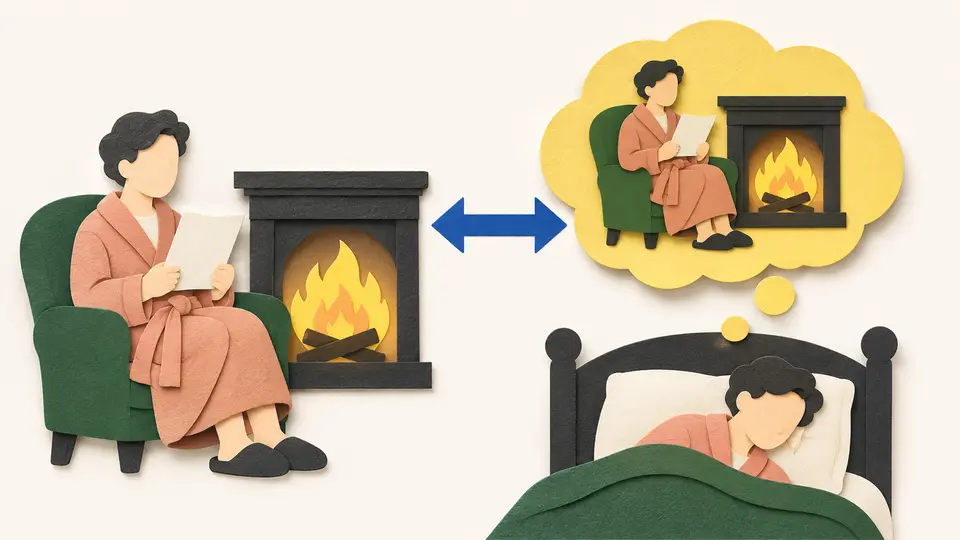
Could you be a brain in a vat?
If you can't rule out that you're dreaming or being deceived, it's hard to see how you know anything about the world. The skeptic's case fits in three lines, and each of the best-known replies to it comes at a cost.
René Descartes
Descartes tried to doubt everything he believed and rebuild from one certainty, "I think, therefore I am". Follow what he claimed to prove, how he got from his mind back to the world, and the objections raised at once.

Immanuel Kant
Kant argued that the mind doesn't just receive the world but shapes how it appears. See what that means, how it answered Hume's doubt about causes, and how the same thinker grounded morality in reason.
Reality & existence
Being, causation, time, possibility, existence and competing accounts of reality.
What does it mean for one thing to cause another?
Test a cause by asking what would have happened without it. Then meet the cases that strain the test, including a backup pump, two rock throwers and a Queen who never watered your flowers.
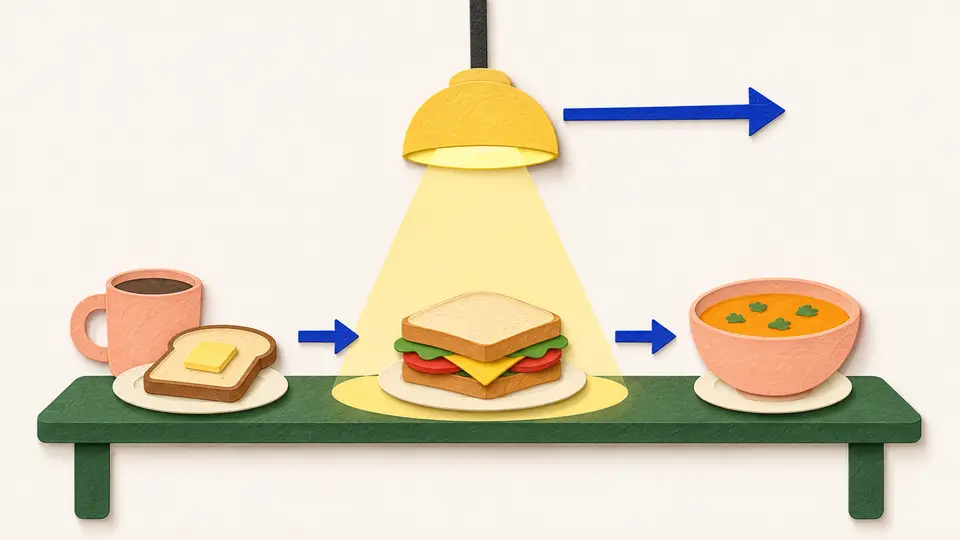
Does time really pass?
Events seem to slide from future to present to past. Compare the theories that say time really passes with those that say it only seems to, and test each against the objections it faces.
Plato and the theory of Forms
Plato held that the things you see are imperfect copies of unchanging Forms known by thought alone. See why he believed it, what the cave story is for, and the objections he raised against himself.
Aristotle
Aristotle studied everything from logic to octopuses and built a system that ruled learning for two thousand years. See how he explained change, what he meant by four causes, and what later science kept and dropped.
Mind, identity & free will
Consciousness, personal identity, agency, free will and mind-body questions.
What makes you the same person over time?
Your tastes, beliefs and most of your memories change over a lifetime. See what philosophers say keeps you one person through it, and the brain-splitting cases that test each answer.
Could you have done otherwise?
Determinism says the past and the laws of nature settle everything you do, which makes it hard to see how you act freely or deserve blame. Weigh the leading arguments on each side and the replies they've drawn.
The mind-body problem
A thought seems nothing like a brain cell, yet each affects the other. Compare the view that mind and body are two things with the views that mind is the brain, or is what the brain does.
The hard problem of consciousness
Science can explain how the brain sorts and reports information. Why any of it is felt is another question. See what makes that question hard, the cases built to show it, and the main replies.
Ethics & moral choices
Moral theories, responsibility, obligations, applied ethical problems and the reasons behind moral judgments.

Judging right and wrong by results or by duties
Some moral arguments turn on what a choice brings about. Others turn on what you owe people, whatever the result. Learn to tell which one you're hearing, and see where each runs into trouble.
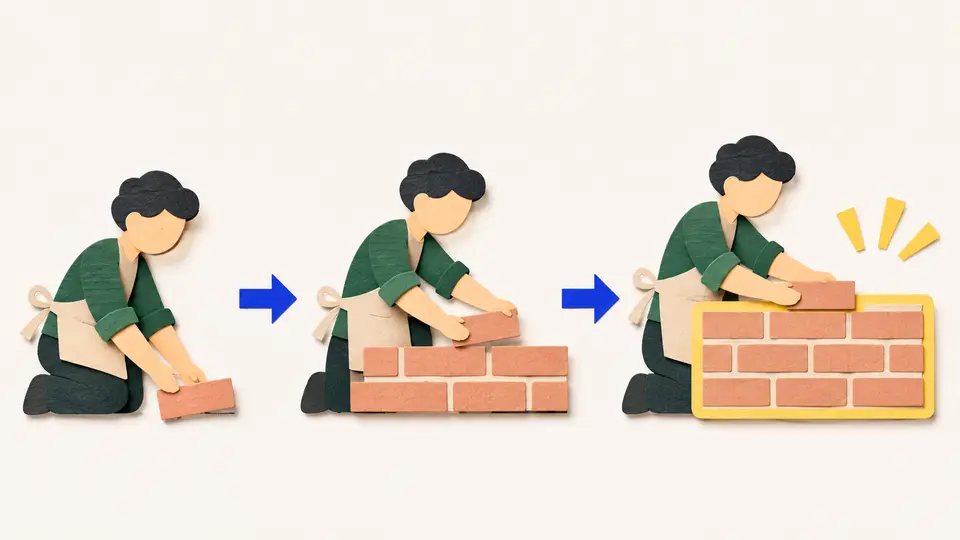
Is being good a matter of character?
Virtue ethics emphasizes moral character where other theories emphasize rules or outcomes. See how Aristotle thought good character is built and what it aims at, then test the view against its critics.
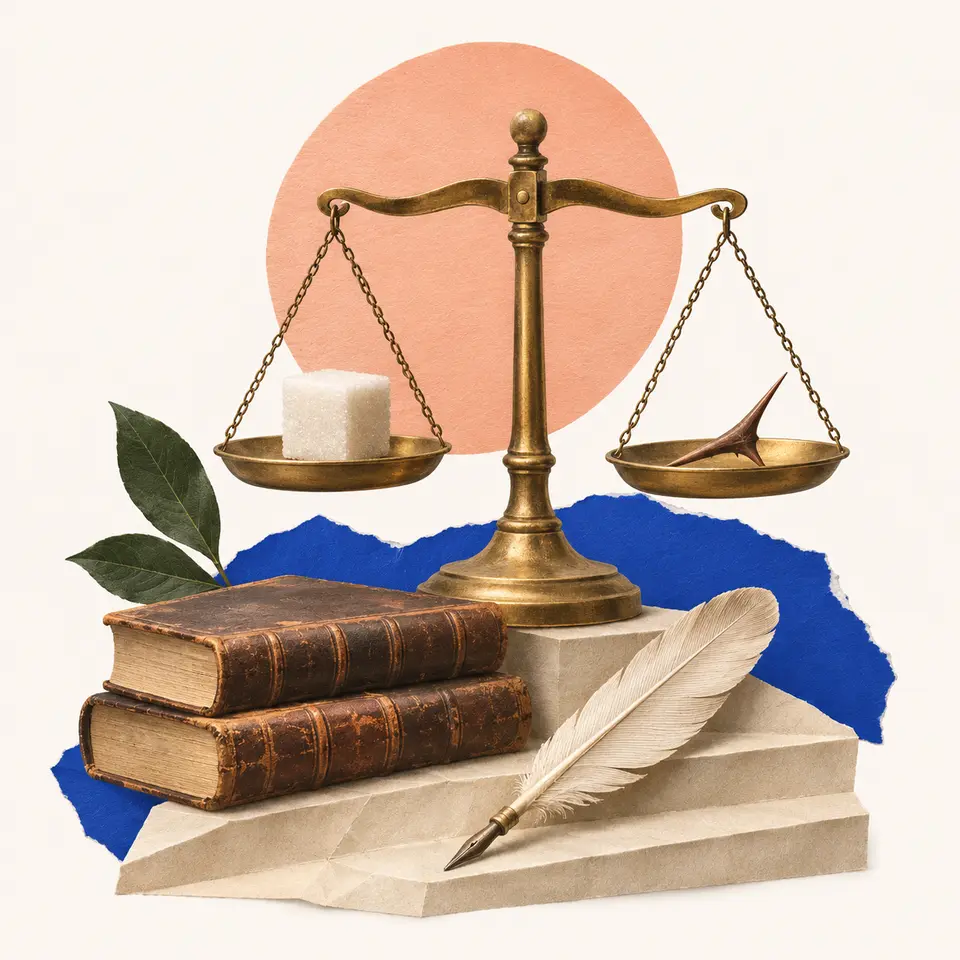
Utilitarianism
Utilitarians say the right act is the one that brings the most well-being to everyone it affects. See how Bentham and Mill built the theory, how it handles hard cases, and what it should count as good.
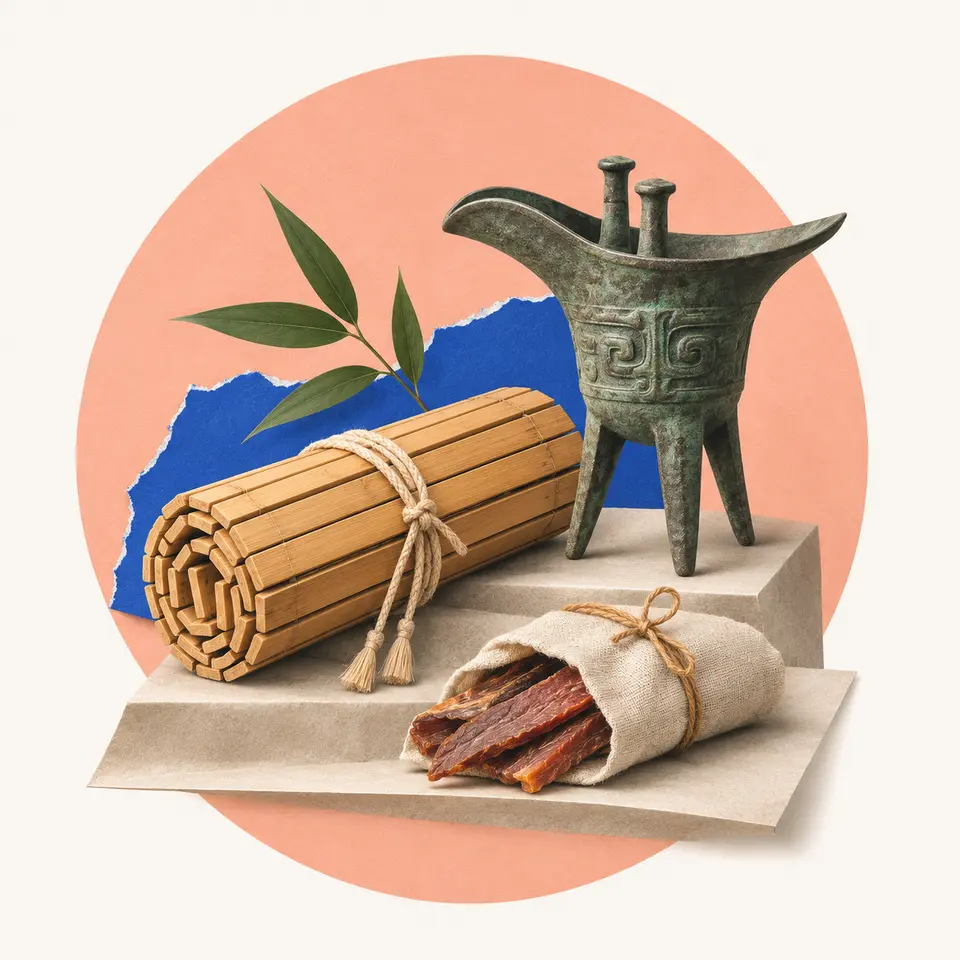
Confucius
A teacher who never won the office he wanted shaped two thousand years of East Asian life. See what Confucius taught about humaneness, ritual and family, and why he has been both revered and attacked.
Society & justice
Freedom, equality, rights, authority and arguments about the justification of social arrangements.
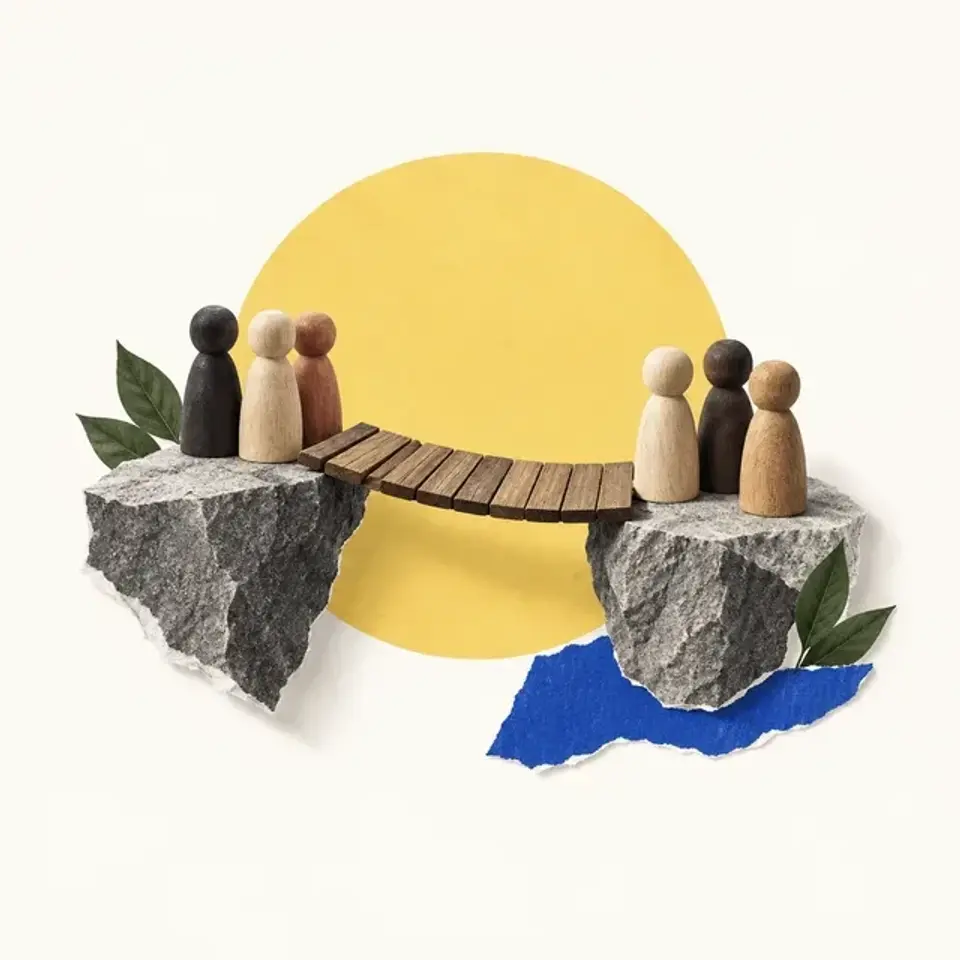
The veil of ignorance
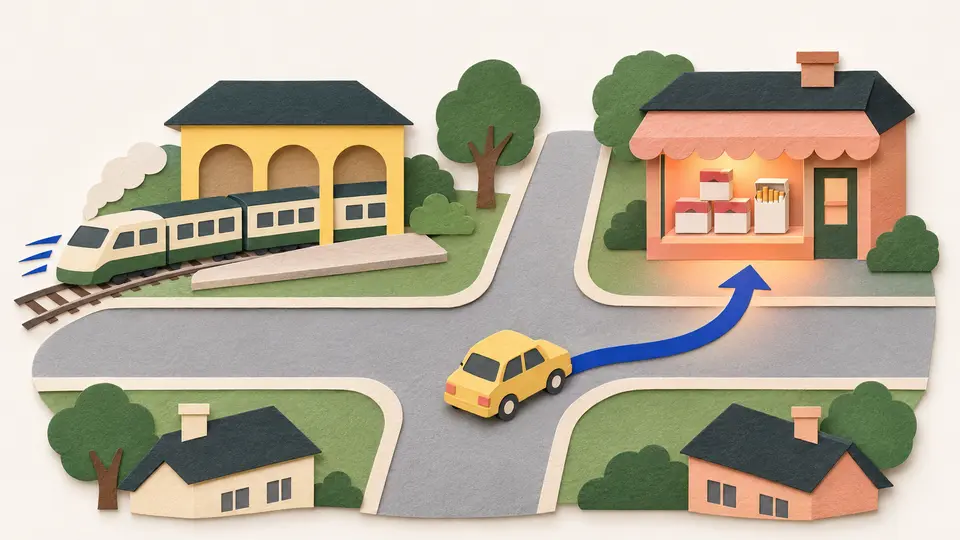
John Rawls asked what social rules you'd choose if you didn't know your own place in society. His answer sets clear priorities, and a simple distribution example leaves a lot of it out.
What does it mean to be free?
Freedom can mean that no one stands in your way, or that you're in charge of your own life. Compare the two concepts Isaiah Berlin set apart, then weigh a third view that says being free means having no master.

The social contract
Why should anyone obey a government? Hobbes, Locke and Rousseau each answered with a story about people agreeing to be ruled. Compare their three versions and the objection that nobody ever signed.
Karl Marx
Marx argued that how a society produces things shapes its laws, ideas and conflicts. See his account of history, of work under capitalism and of class, and how to tell his ideas from the regimes that claimed them.
Meaning & the good life
Purpose, flourishing, happiness, mortality, practical wisdom and philosophical approaches to living.

Stoicism and what is within our control
The Stoics separated your own choices from outcomes that depend on the world. That distinction doesn't tell you to do nothing, and its stronger claims about flourishing are philosophical positions you can question.
Epicurus on pleasure, desire and death
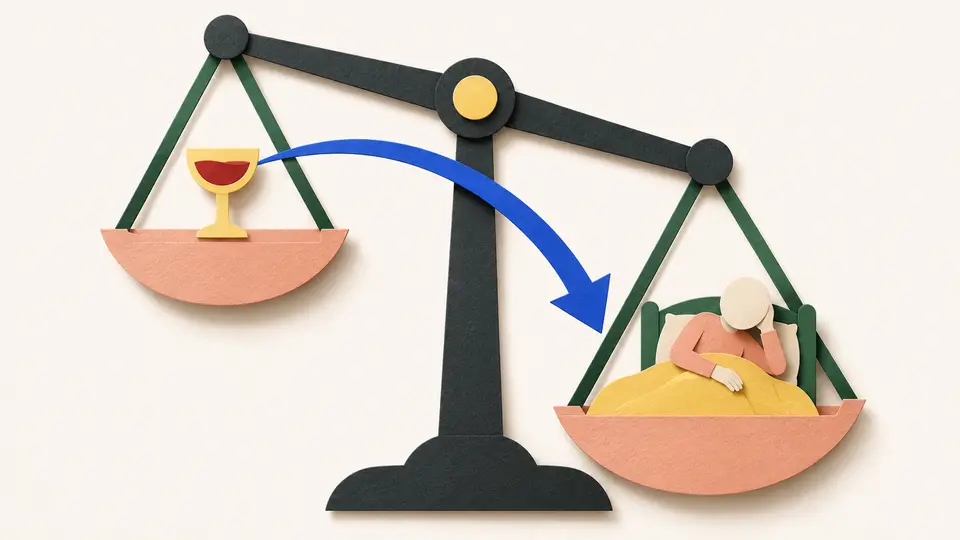
Epicurus said pleasure is the goal of life, and by pleasure he meant freedom from pain and fear. See what that asks of your desires, then weigh his case that death is nothing to fear.

The meaning of life
Philosophers split the question in two. Does life as a whole have a purpose, and what makes one person's life meaningful? See the main answers and the case that nothing matters.

Friedrich Nietzsche
Nietzsche announced that "God is dead" and asked what would hold up morality afterwards. Learn what he meant, his story of where good and evil came from, and how his sister and the Nazis distorted him.
Art & beauty
Aesthetic experience, interpretation, artistic value, taste and questions about the nature of art.
Can a copy have the same artistic value?
A copy can look exactly like an original without being the same artwork. Production history, performance and judgments of value all make the question harder than comparing how two objects look.
Can one person's taste be better than another's?
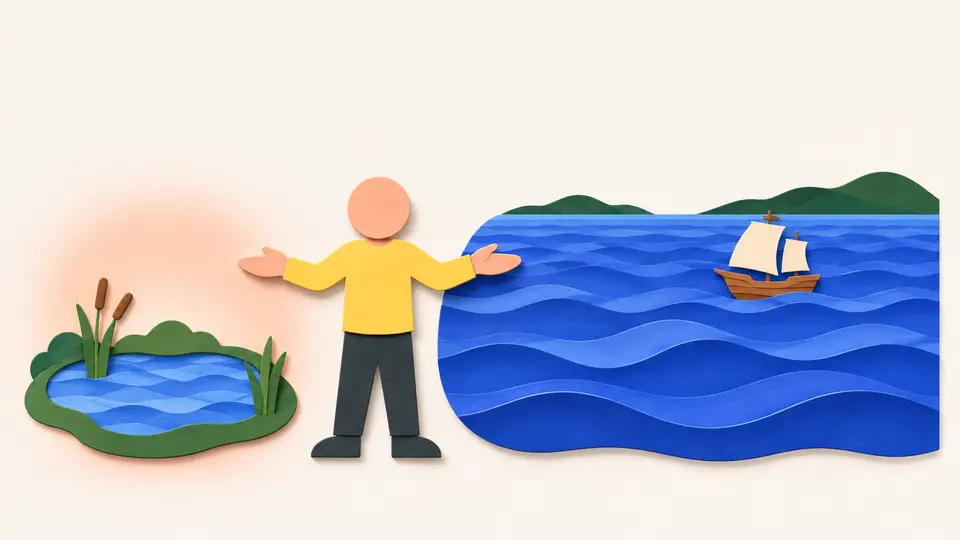
People disagree about beauty, yet some judgments seem better than others. Hume and Kant each tried to explain how that can be, and each account faces a serious objection.
What is art?
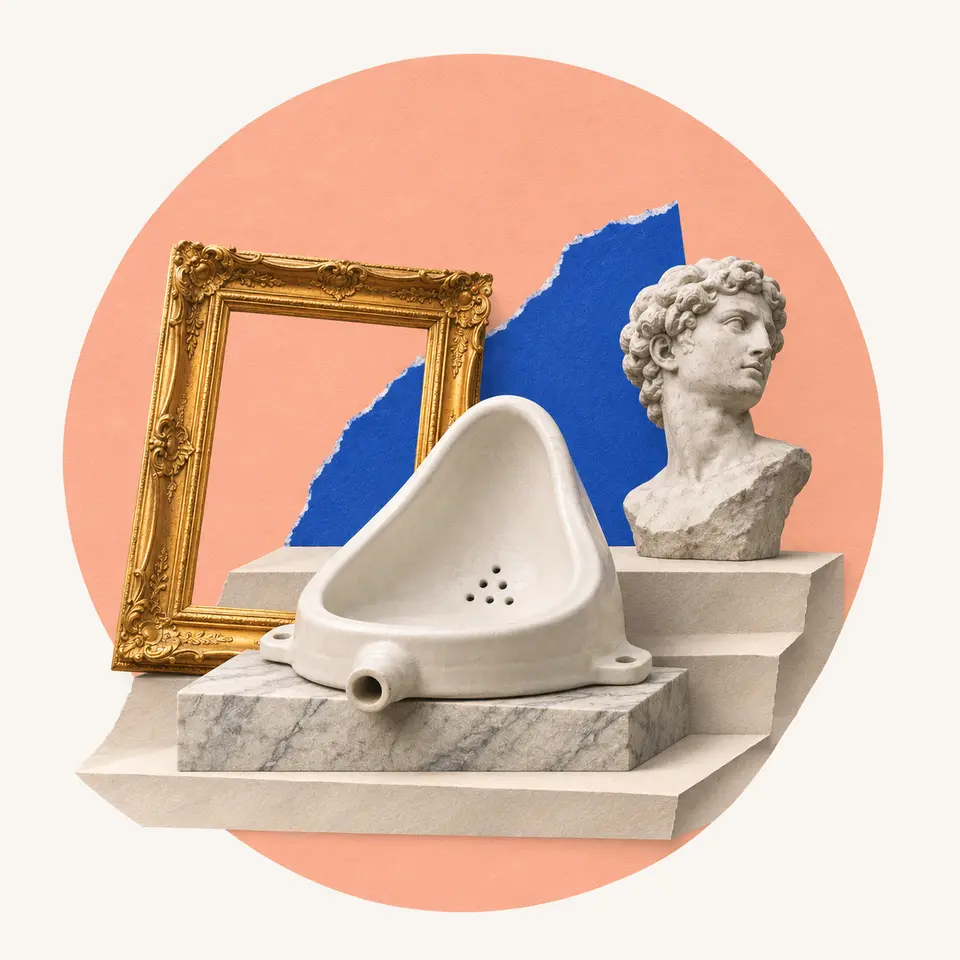
In 1917 a urinal was sent to an art exhibition, and every definition of art since has had to deal with it. Compare art as imitation, feeling and form, as whatever the art world accepts, and as no definition at all.
What is beauty?
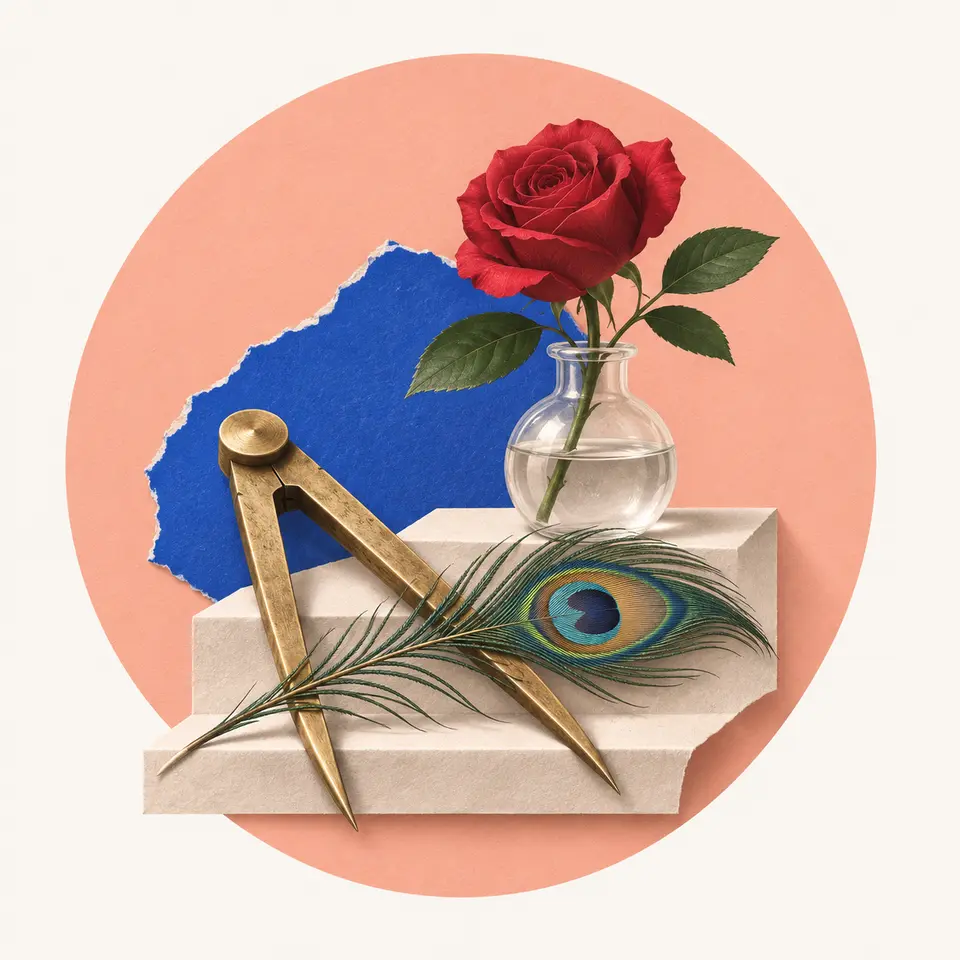
For two thousand years beauty meant proportion and order in the object. Then it moved into the eye of the beholder. See both views, what Darwin's peacock adds, and why the golden ratio explains less than you've heard.
Guided paths in Philosophy & Ethics
- Classic arguments and how they hold upIf you like to argue back, set well-known arguments against the objections they've drawn, starting with how you reason and what you can know, and ending with how to live well and judge beauty. 8 topics.
- Better questions about belief and choiceBuild an argument, ask what makes a belief justified and a person the same over time, then compare ways to judge actions and societies. 8 topics.