History
Learn history
Examine change across regions and eras through people, institutions, material evidence, and competing historical interpretations.
Human origins & civilizations
Prehistory, early settlements, civilizations, kingdoms, empires, and their formation, expansion and decline across regions.
Uruk and the first cities
Around 3100 BCE Uruk may have held 50,000 people. See how records, rations and shared work held it together, and what its surviving bowls and tablets can and can't prove.
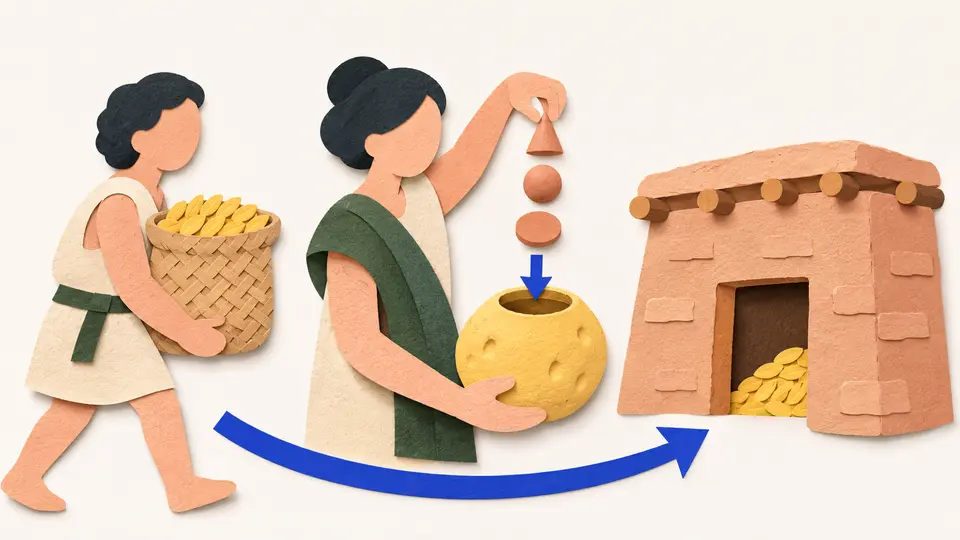
Why writing started as bookkeeping
The earliest tablets are counts of grain and livestock rather than poems or laws, and almost everything about the script follows from the job it was invented to do.
Ancient Egypt
A kingdom on the Nile lasted about 3,000 years. See what the river's flood made possible, what pharaohs and pyramids were for, why the state broke and mended, and how it changed under foreign rulers.
Ancient Greece
Hundreds of small city-states shared a language and gods but never a government. See how Athens and Sparta worked, how Greeks spread around the sea, and why their culture outlasted their freedom.
Leaders & power
Rulers, leadership, succession, institutions, state formation and the ways authority was exercised and contested.
Genghis Khan and Mongol rule
Mongol power rested on organization and personal loyalty as well as violent conquest, and its rulers made governing choices that helped the empire work. Genghis Khan's own lifetime is only part of that story, because the empire kept growing under his successors.
How the Mongol Empire kept its roads open
Conquest was the fast part. Keeping messages, merchants and money moving across Eurasia took relay stations, a code of law and a ninefold penalty for theft. The same open roads had a cost.
Alexander the Great
A Macedonian king who never lost a battle and fought in India before he turned 30. See how he took the Persian Empire, how he tried to rule it, and what was left when he died at 32.
Napoleon Bonaparte
How an artillery officer from Corsica came to dominate Europe, what he built that outlasted him, why it ended at Waterloo, and why France still argues about him.
Wars & diplomacy
Conflicts, military organization, strategy, alliances, negotiation, peace settlements and their consequences.
How the First World War began
Trace the decisions that turned an assassination into a wider war in 1914. Along the way, you'll separate the trigger from long-running tensions and from choices made under pressure.
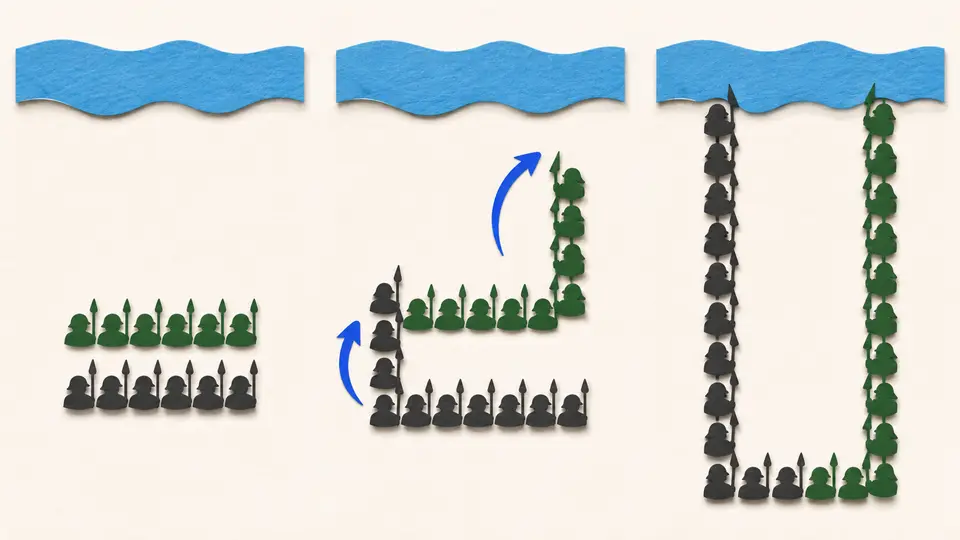
Why the Western Front stopped moving
Two armies spent a month trying to get around each other and ran out of ground. Nobody planned what followed, and it took four years to undo.
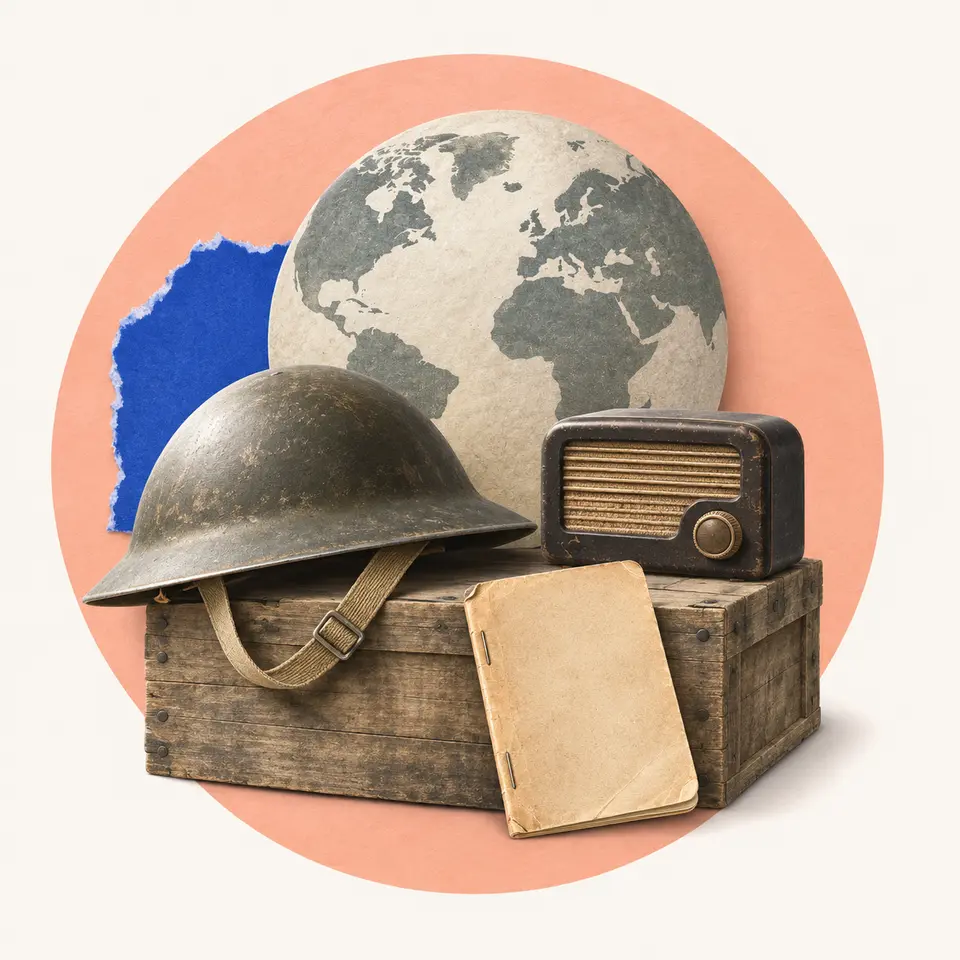
The Second World War
The deadliest war in history began in China in 1937 and in Europe in 1939, and killed an estimated 60 to 75 million people. See why it started, how it was won, and what world it left.
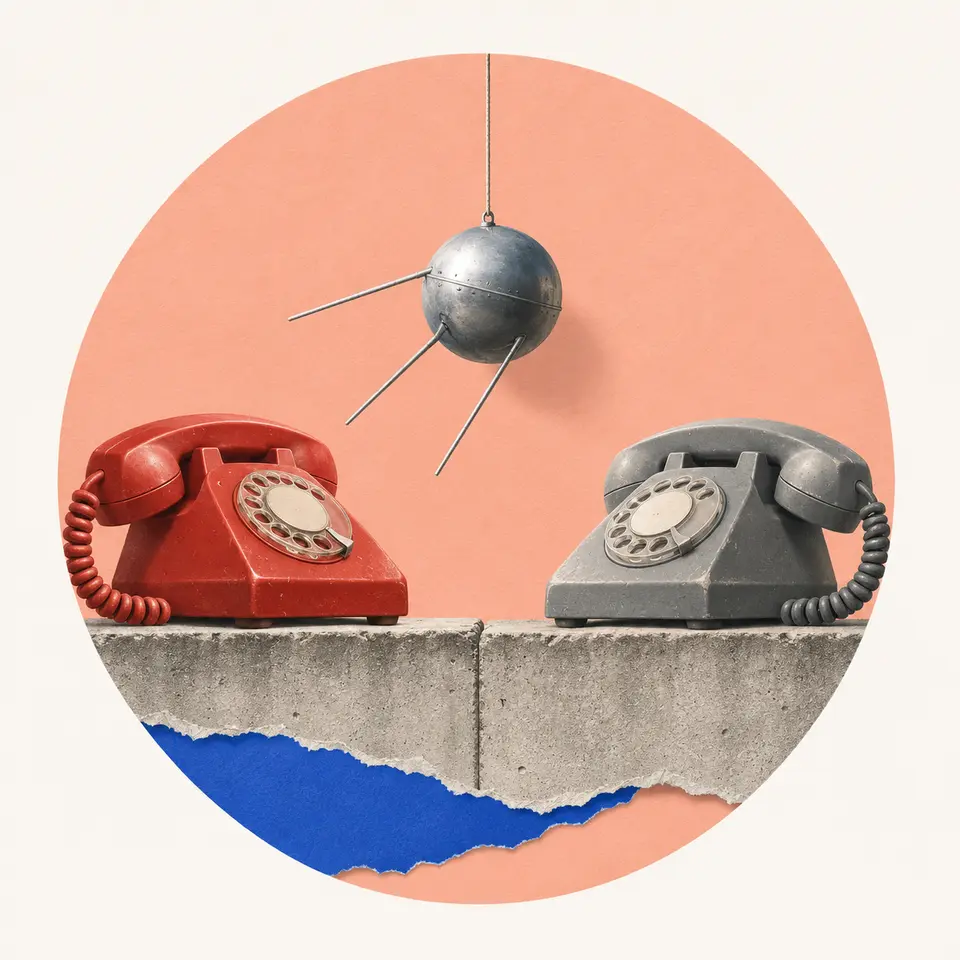
The Cold War
For about 45 years the United States and the Soviet Union competed for the world without fighting each other directly. See why the rivalry started, how the bomb shaped it, and why it ended without a war.
Revolutions & social change
Revolutions, reform, resistance, emancipation, social movements and changes in rights, class and social organization.
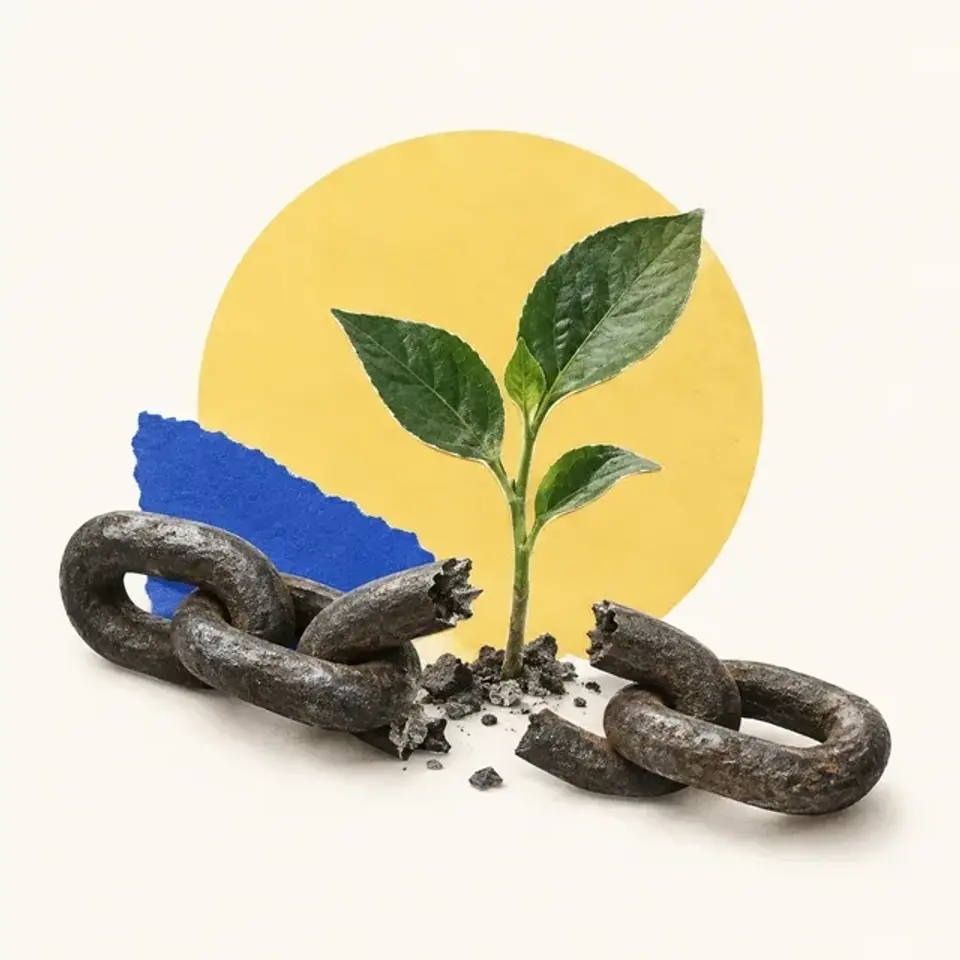
The Haitian Revolution
Follow the struggle that destroyed slavery and French colonial rule in Saint-Domingue, and see why freedom, citizenship, independence and control over work were connected but different demands.
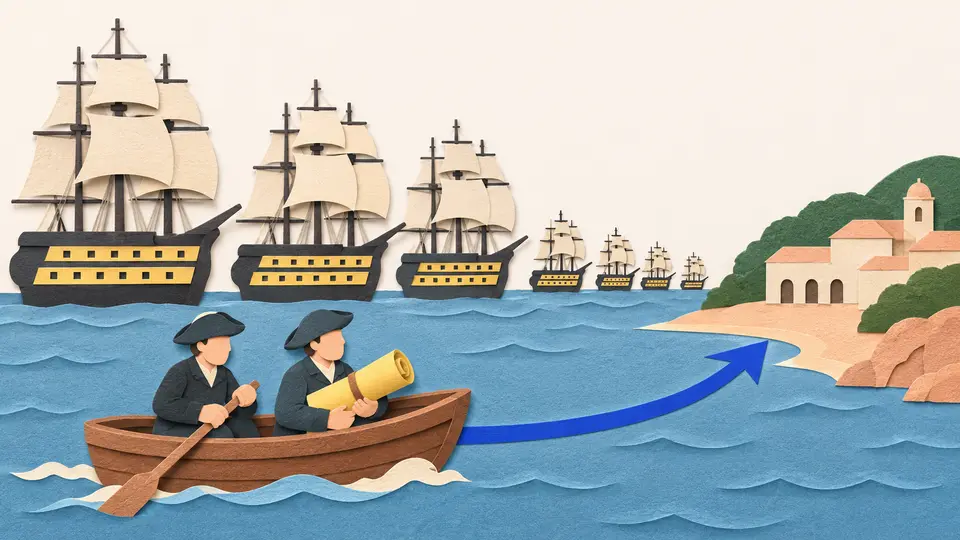
What independence cost Haiti
Twenty-one years after Haiti declared itself free, France sent warships with a price list. Following that bill forward explains more about Haiti's next century than the revolution does.
The French Revolution
In 1789 a French money crisis became the overthrow of a king, a church and a social order. See what the revolutionaries wanted, why it turned to terror, and what survived when Napoleon took over.
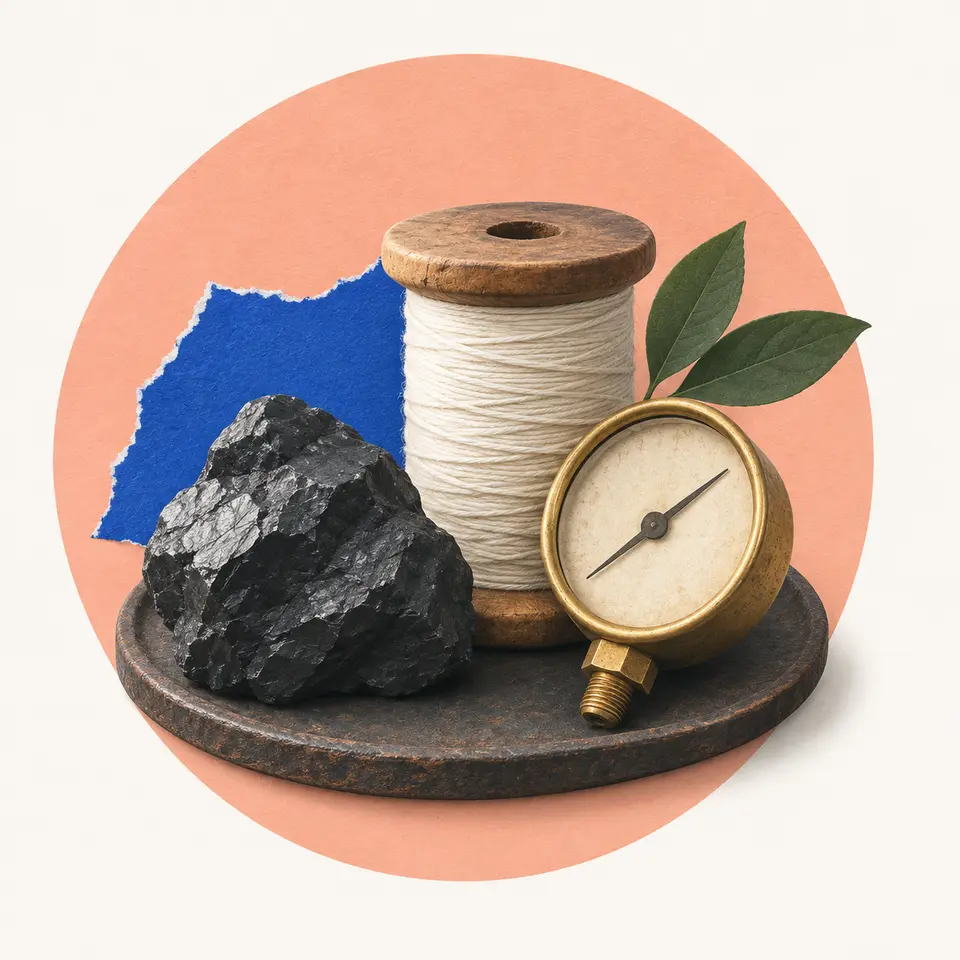
The Industrial Revolution
Starting in Britain around 1760, machines, coal and factories changed how goods were made and how people lived. See why it began there, how it spread, and what it did to work, cities and living standards.
Trade, migration & encounters
Trade routes, migration, exploration, colonization, enslavement, exchange and encounters between societies.
The Indian Ocean trading world
Follow seasonal winds, connected ports and merchant communities across the medieval Indian Ocean, and see how African coastal societies helped shape this world of exchange.
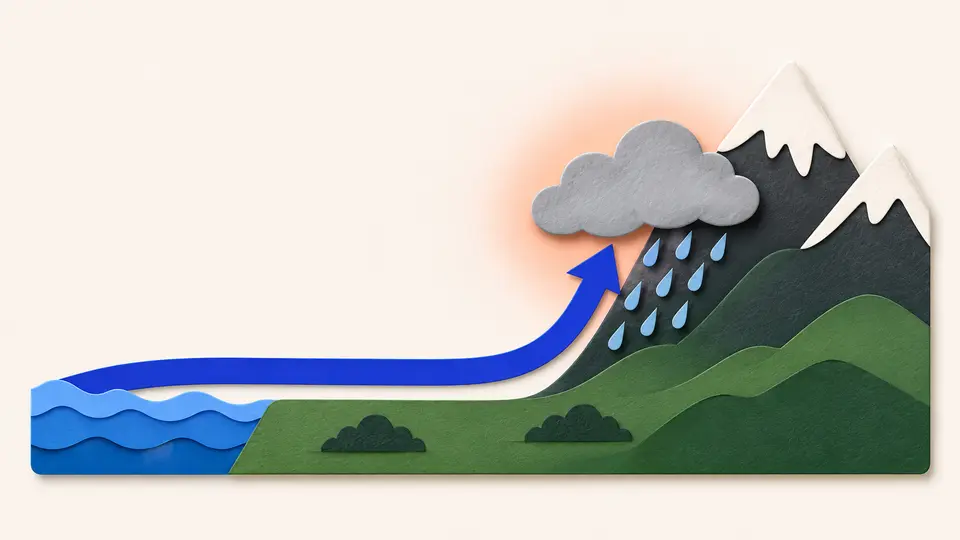
Monsoon winds and the dhows that sailed them
A wind that reverses twice a year works like a schedule. The ships, the crews and the trading seasons of half an ocean were built around reading it.

The Silk Roads
For about 1,500 years, caravan and sea routes linked China, Central Asia, Persia and the Mediterranean. See what moved along them, who carried it, and why almost no trader made the whole trip.
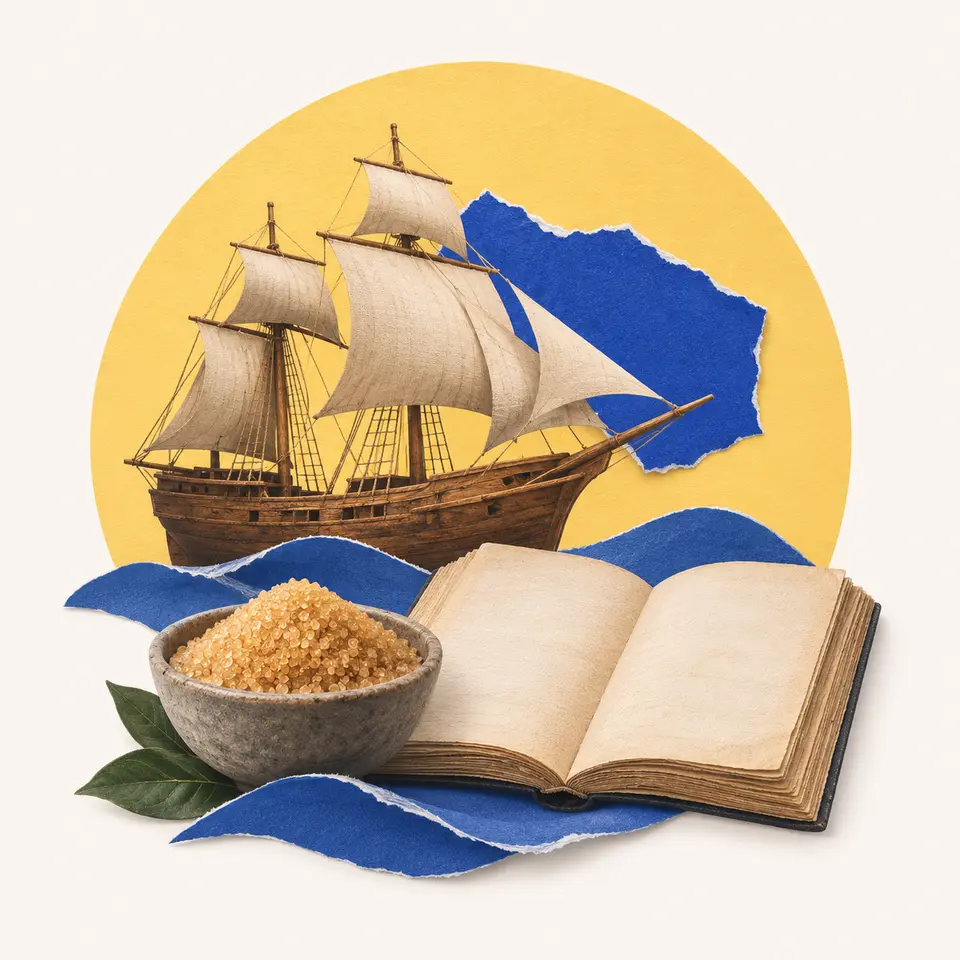
The transatlantic slave trade
From the 1500s to the 1860s, ships carried about 12.5 million enslaved Africans across the Atlantic. See how the trade worked, why sugar drove it, how we know the numbers and what it did to Africa.
Ideas & discoveries
The historical development and influence of science, technology, religious ideas, education and intellectual movements.

Printing and the spread of ideas
See what reusable type changed, why Gutenberg belongs in a longer history that starts in Japan, China and Korea, and why printing more copies was only one step toward reaching more readers.
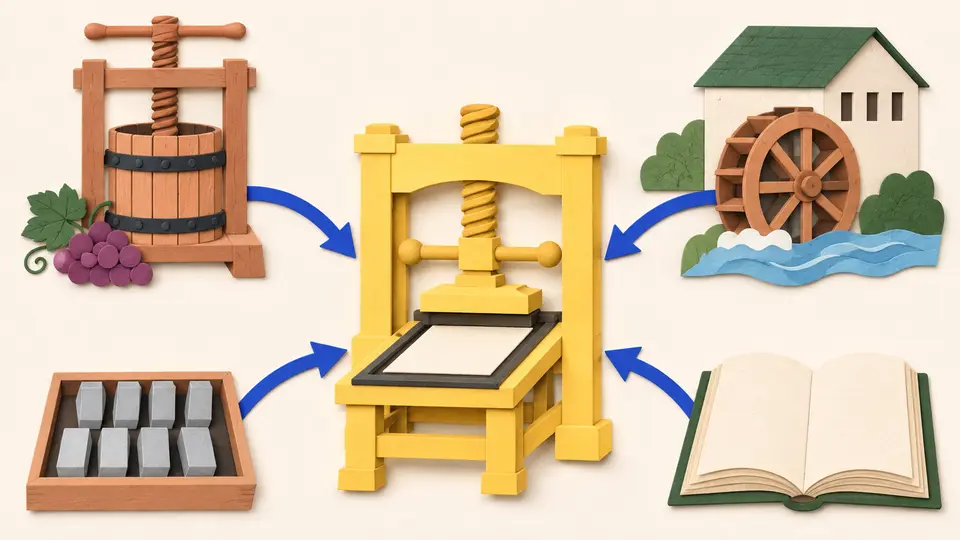
Why the printing press took hold in Europe
Gutenberg joined four things that already existed, starting with a wine press. See how his machine worked, what it turned out in a day, and why it spread across Europe when movable type was older in China and Korea.
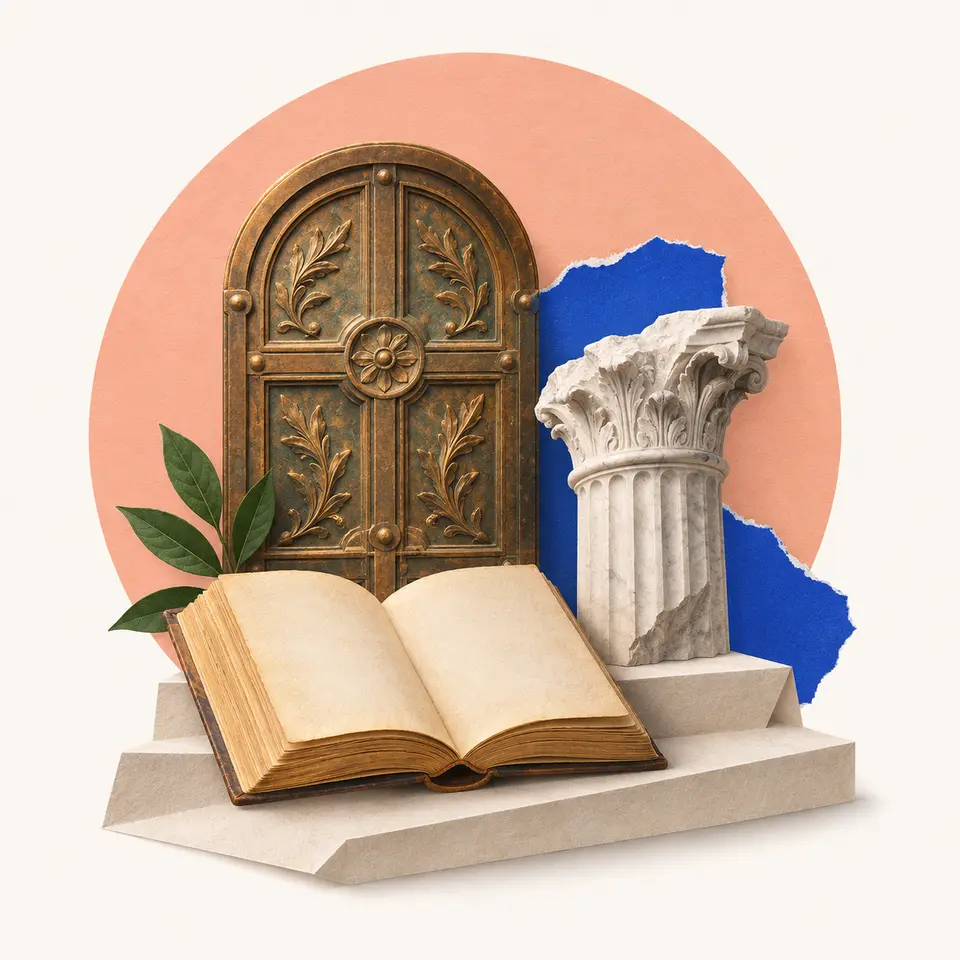
The Renaissance
Between about 1350 and 1600, scholars and artists in Italian cities turned to ancient Greek and Roman models. See what changed, who paid for it, how it spread north and how new it really was.
The Scientific Revolution
Between 1543 and 1687 Europeans moved from trusting ancient books to testing claims with instruments, numbers and witnesses. See what changed, what it borrowed, and whether revolution is the right word.
Everyday life in the past
Food, work, homes, family, childhood, leisure, health, material culture and ordinary people's experiences.
Life in a Roman apartment block
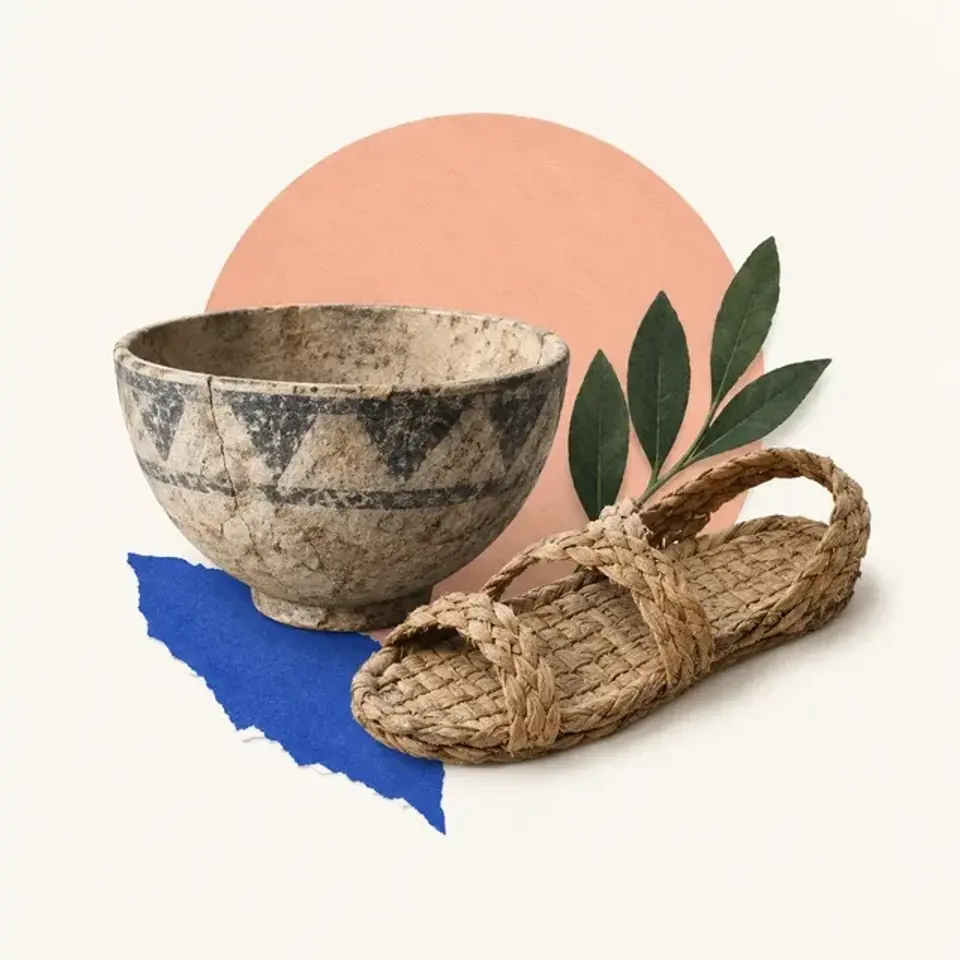
Walk through the Garden Houses at Ostia, a luxury apartment complex built about 1,900 years ago, and see what its stairs, pipes, shop doorways and fallen ceilings can and can't tell you about the people who lived there.
How ancient Rome fed a million people
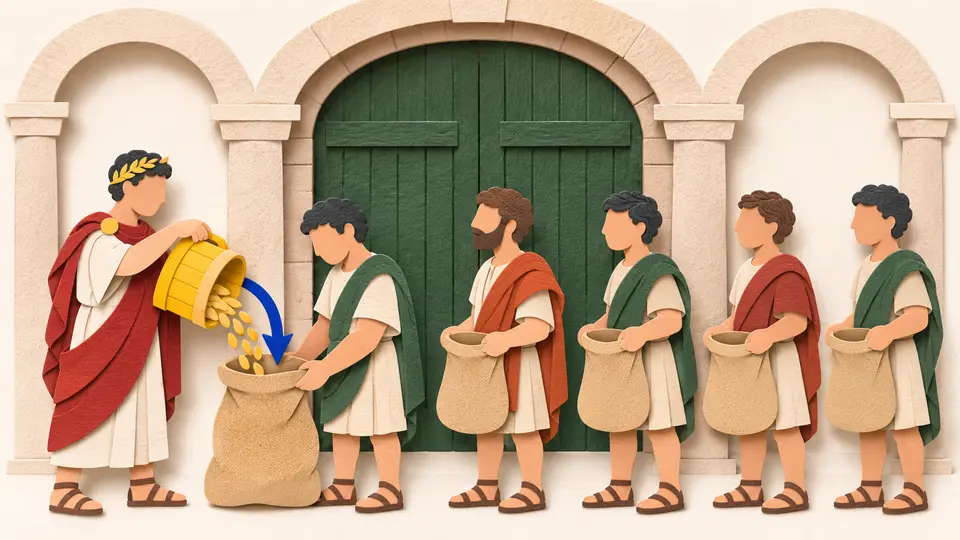
Rome imported the grain for a city of a million. Follow the wheat from Egyptian fields across the sea to the port of Ostia, up the Tiber and into a baker's oven.
Life in a medieval village
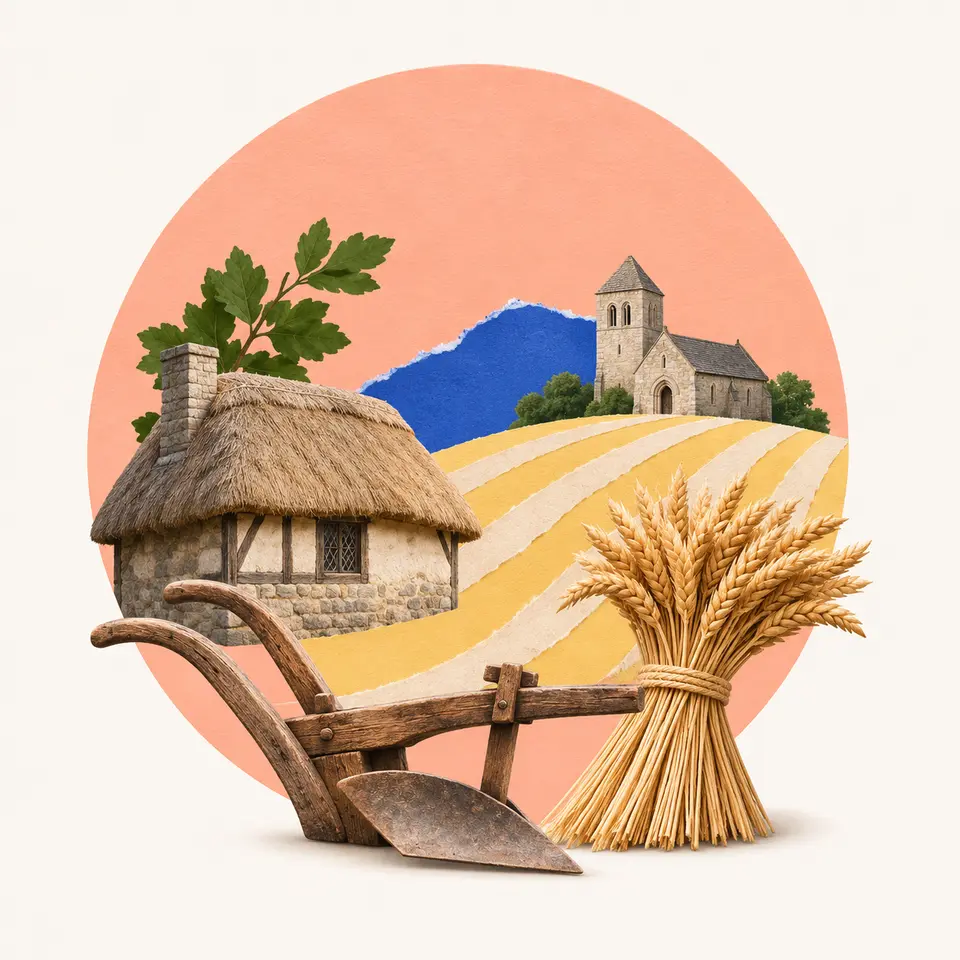
Most people in medieval western Europe were peasants farming land they didn't own. See how a village shared its fields, what it owed the lord and the church, and how its year of work and fasting ran.
Daily life in ancient Egypt
Most ancient Egyptians were farmers and workers, not pharaohs. See what they ate, how they were paid in grain, what women could own, and what a village of tomb builders left in thousands of written notes.
Archaeology & historical evidence
Archaeology, documents, artifacts, oral history, dating, chronology, source criticism and competing interpretations.
Pompeii's body casts and what they can prove
See how Pompeii's plaster figures were made, what bombing, repair and copying did to them, and why DNA overturned stories long told about the victims.
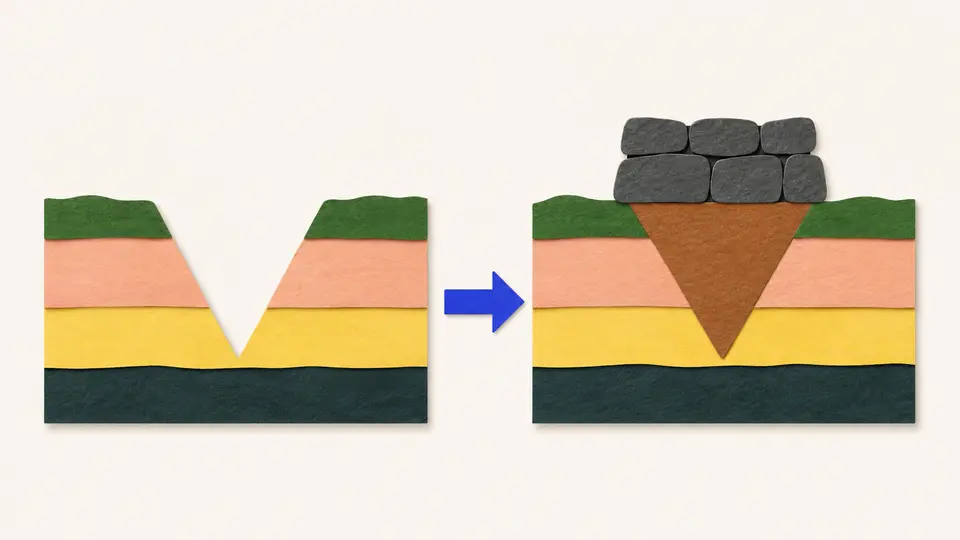
How a dig knows what came first
Nothing at an archaeological site comes with a date attached. Two methods do almost all the work. One puts events in order, and the other pins a piece of wood to a calendar year.
How historians read a source
History is built from sources made by people with their own aims. Learn to ask who made a source, when, for whom and why, and what historians do when sources disagree, fall silent or get rewritten.
Calendars, dates and historical periods
Year numbers and labels like "Middle Ages" are tools people invented. See how BCE and CE work, why other calendars count differently, where period names came from and how historians date events no calendar recorded.
Guided paths in History
- The practical side of historySee how things actually worked in the past, from counting grain to holding a trench line. After a first step on archaeology, the route runs roughly forward in time. 8 topics.
- Read the past through evidenceStart with traces of everyday life, then follow the evidence from the first cities to the outbreak of the First World War. 8 topics.