Guided path · History
The practical side of history
See how things actually worked in the past, from counting grain to holding a trench line. After a first step on archaeology, the route runs roughly forward in time.
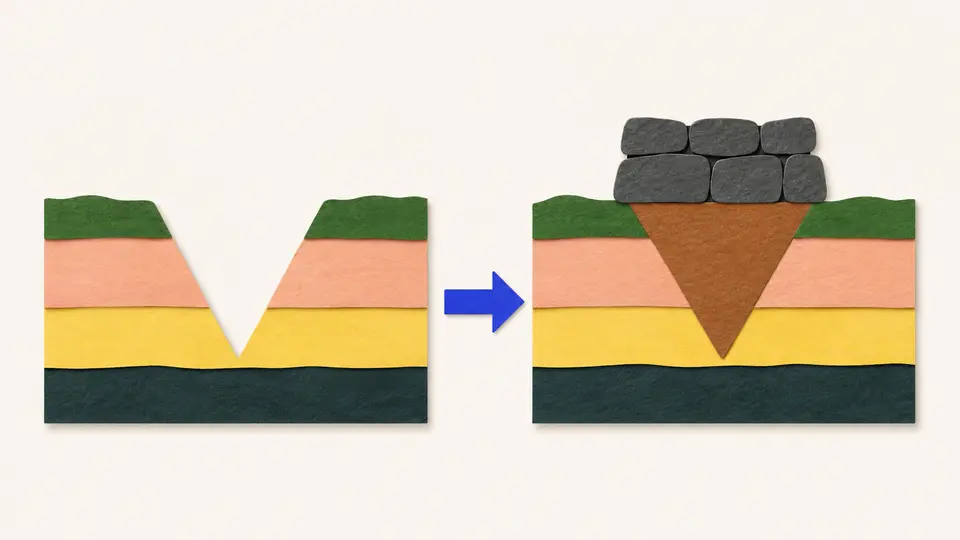
How a dig knows what came first
Start at a dig, where nothing comes dated and the order of events has to be worked out. The next two steps draw on what digs turn up.
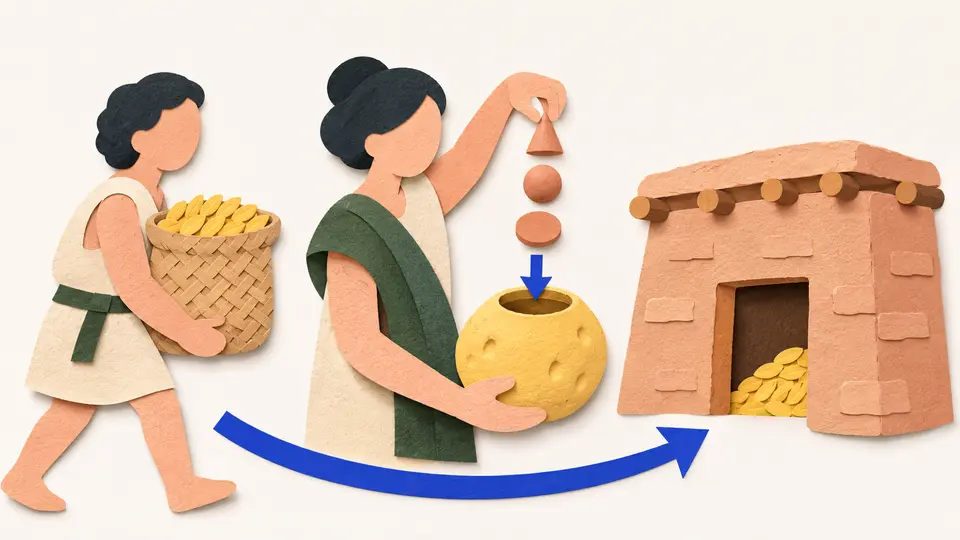
Why writing started as bookkeeping
Move from layers in the ground to the earliest clay tablets, which mostly count grain and livestock. Many of them survived only by accident.
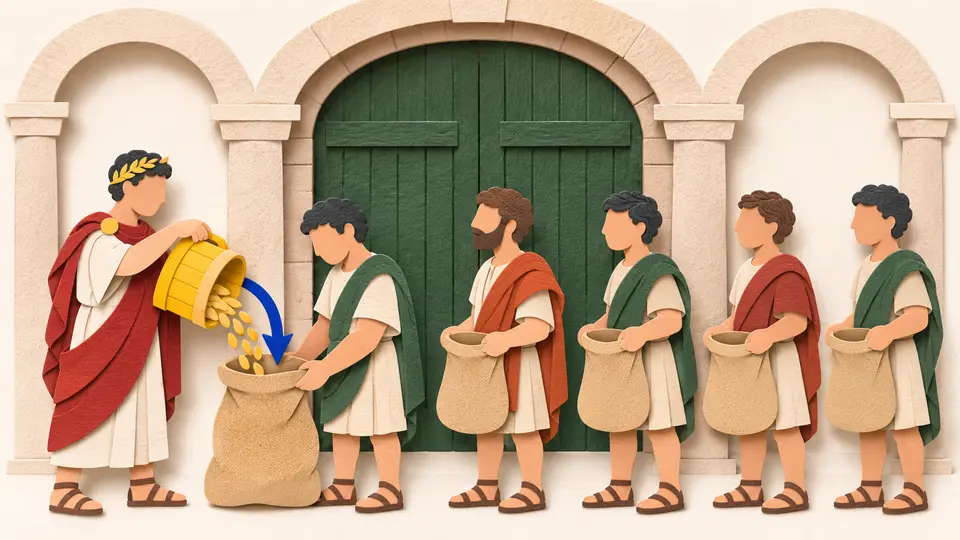
How ancient Rome fed a million people
Stay with grain, and scale up from tablets that counted it to the supply that fed Rome, a city of a million.
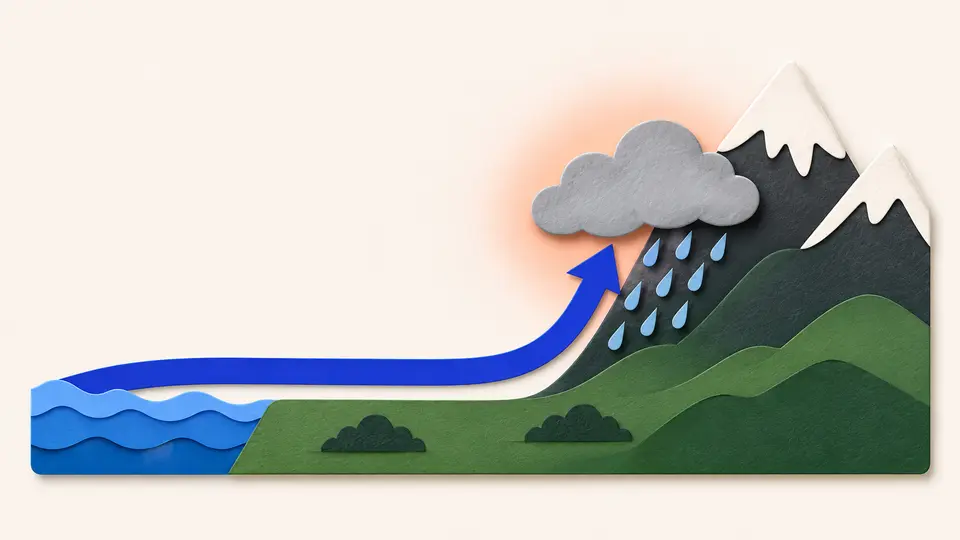
Monsoon winds and the dhows that sailed them
Most of Rome's grain came by sea, so the sailing year mattered. In the Indian Ocean, a wind that reverses with the seasons set the calendar.
How the Mongol Empire kept its roads open
Turn from sea routes to land ones, and to what kept messages and merchants moving across the Mongol Empire.
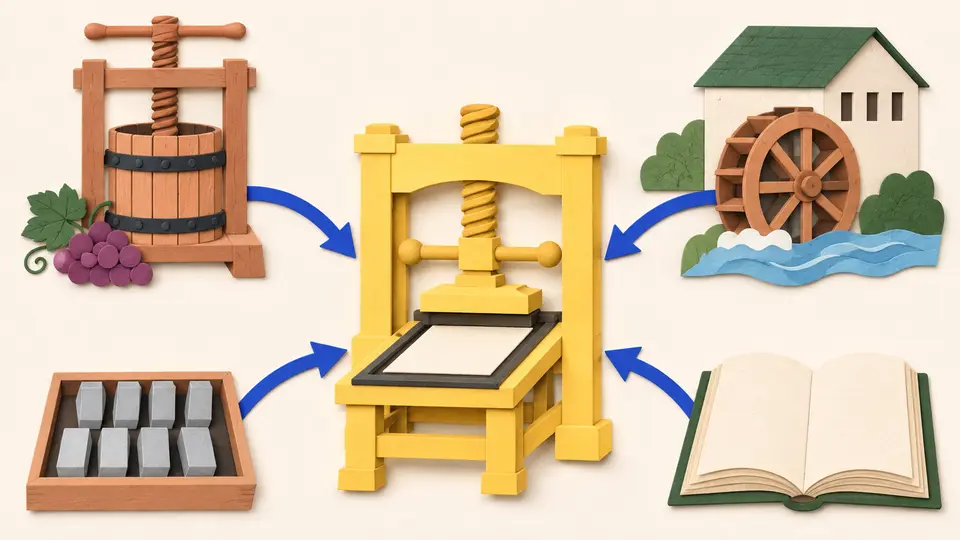
Why the printing press took hold in Europe
Techniques moved along those routes. With the press, ask why an invention catches on in one place and not in another.
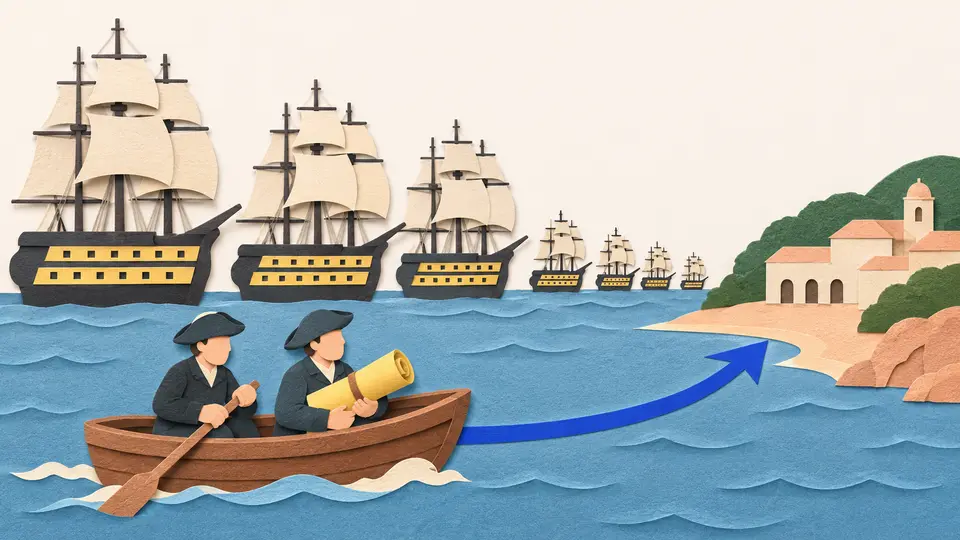
What independence cost Haiti
Jump ahead to 1825, when France set a price on recognizing Haiti, and follow the bill through a century of payments.
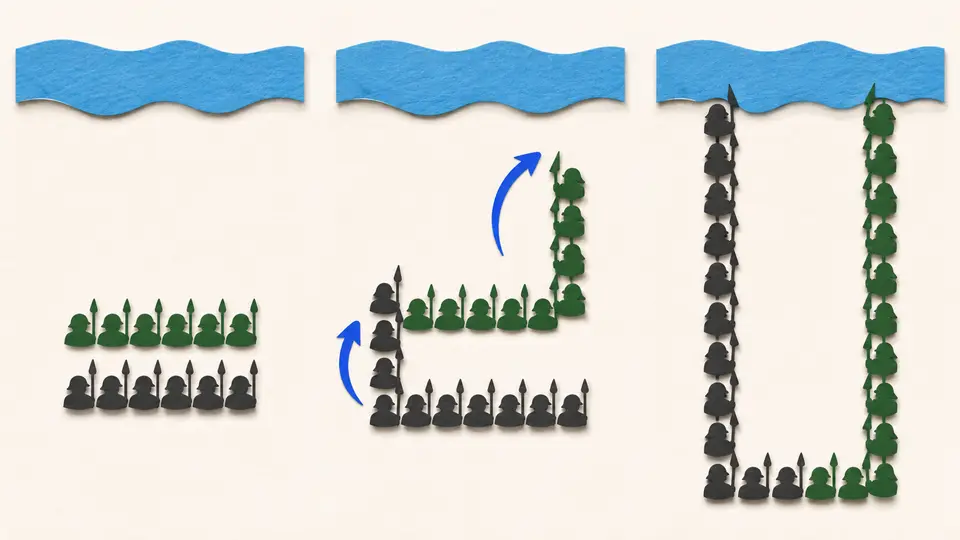
Why the Western Front stopped moving
End with digging of another kind, on the Western Front. See how a line was built not to break, and what attackers developed to get through it.
More guided paths
- Read the past through evidenceStart with traces of everyday life, then follow the evidence from the first cities to the outbreak of the First World War. 8 topics.
- Language by eye and by earFollow language as it reaches you, first by eye, from a signer's hands to a news page, then by ear, from a speaker's accent to live interpreting. 8 topics.
- From words to understandingFollow meaning through sentences, writing systems, context and translation, then use what you've learned to explain ideas and check claims. 8 topics.
- From everyday numbers to proofStart with everyday percentages and rates, weigh a surprising test result, then prove a famous bridge walk impossible. 7 topics.