Arts & Culture
Learn arts and culture
Explore how people make and interpret images, stories, music, performance, buildings, and shared cultural practices.
Visual art & craft
Painting, sculpture, drawing, illustration, craft, techniques, visual interpretation and artistic traditions.
Learning to look at a painting
Go beyond naming the objects in a picture. See how Goya, Bouts, Van Dyck and Vernet used empty space, color, surface and line, then build a reading from what you can point to.
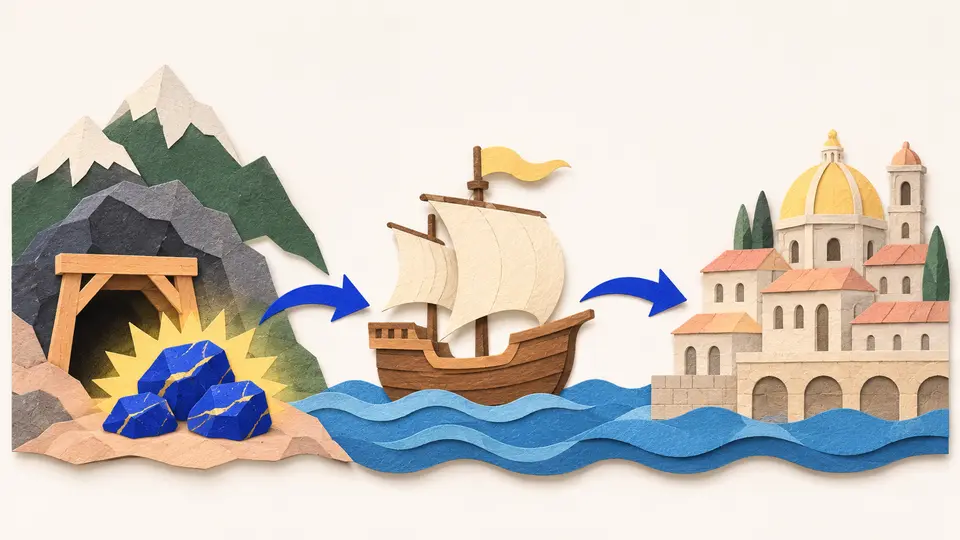
Ultramarine and the price of blue
Why one blue pigment once cost more than gold, how you can see that cost in where painters put it, and what happened when chemists learned to make it from clay and sulfur.
Leonardo da Vinci
How a Florentine workshop apprentice came to paint the Mona Lisa and the Last Supper, why he finished so few pictures, and how his notebooks fed his painting.
Impressionism
Why a group of Paris painters in the 1870s showed their work without the Salon, painted light in quick visible strokes, and were mocked for it before their pictures became museum favorites.
Literature & storytelling
Fiction, poetry, oral storytelling, narrative forms, literary interpretation and traditions across languages.

How an unreliable narrator works
Read the gap between what a storyteller says and what the story gives you reason to believe. An unreliable narrator may be mistaken, innocent or too modest without ever telling a lie.
How oral poets composed epics
Singers built long epics from ready-made phrases as they performed. Recordings made in 1930s Yugoslavia suggest Homer's poems took shape the same way.
William Shakespeare
Who Shakespeare was, how his plays reached us, and how to follow his verse, with Hamlet read up close and the authorship doubts weighed against the evidence.
The Iliad and the Odyssey
What happens in Homer's two poems, what they say about anger, glory, home and the duty to strangers, and how much of Troy and Homer is history.
Music & sound
Instruments, composition, musical structure, listening, recording, sound art and musical traditions.
Tension and release in music
Why a tune that stops one note early leaves you waiting. See how tonal music sets up a home chord, moves away and comes back, and why a pause can sound unfinished.
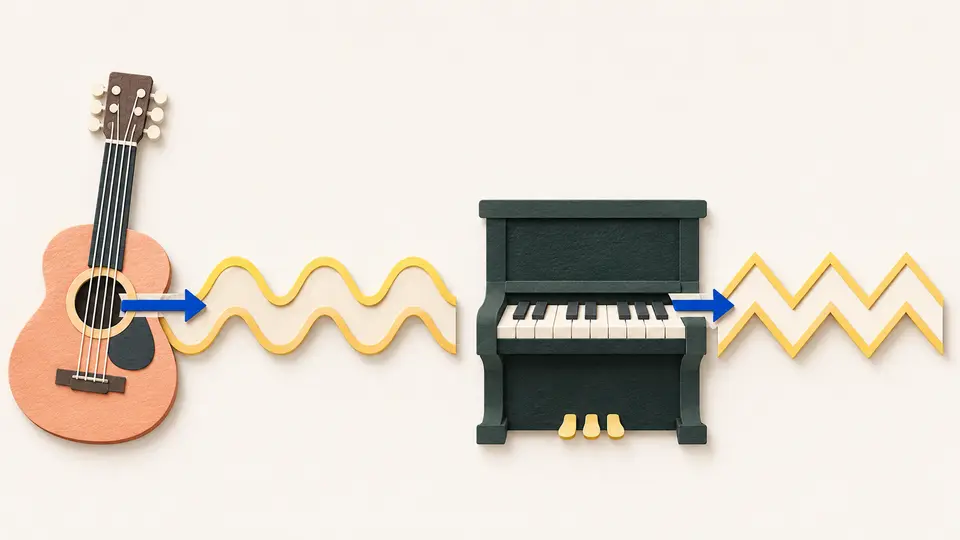
Why instruments sound different
A guitar and a piano playing the same note just as loudly still sound different. See what that difference is made of, from the harmonics inside a note to its first instant, and how Ravel composed with it.
Ludwig van Beethoven
How a court musician's son from Bonn got Vienna's nobles to fund him, built the Fifth Symphony from four notes, kept composing as he went deaf, and became the model of the suffering genius.
Rhythm and meter
What a beat is, how your brain groups beats into twos, threes and longer cycles, and why an accent in an unexpected place can make you want to move.
Film & photography
Cinema, photography, animation, editing, cinematography and the construction of recorded visual stories.
How editing changes a scene's meaning
The order and length of shots guide what viewers infer. See how a cut can change what a face means, hide itself, skip months or set two images against each other to make an argument.
How film sound shapes what you notice
Some film sounds belong to the story and some only the audience hears, many are performed after the shoot, and a mix can hold only so many at once. See how sound changes what you think you're watching.
The invention of photography
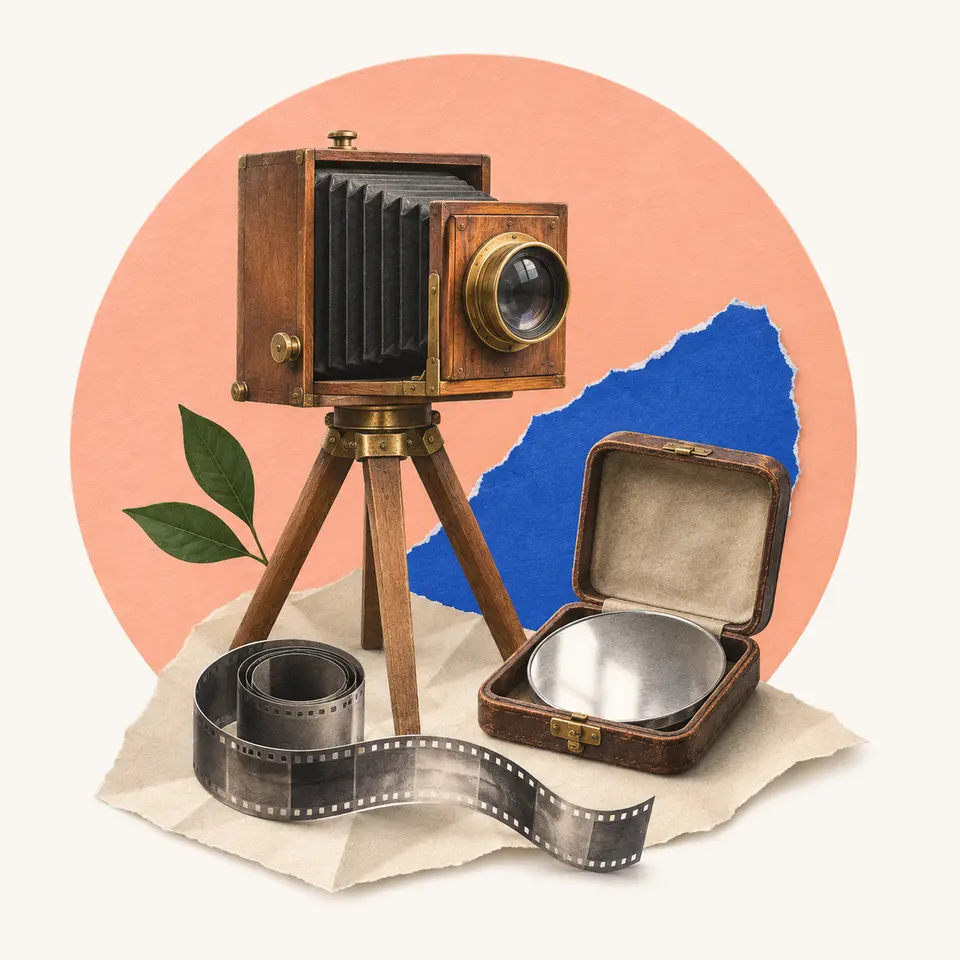
How Niépce, Daguerre and Talbot fixed an image made by light, why early sitters look so stern, and how the camera went from a box of chemicals to a Kodak anyone could use.
The birth of cinema
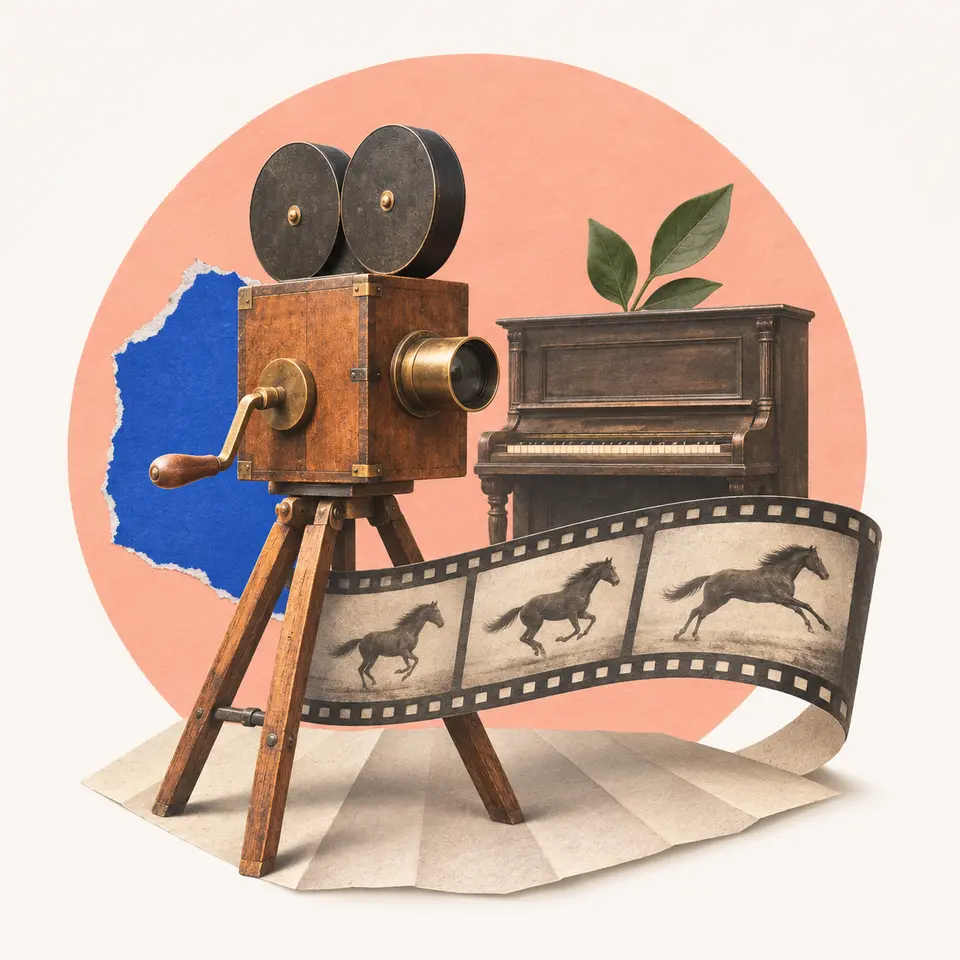
How still photographs were made to move in the 1890s, how the Lumières and Méliès found two different uses for film, and how silent film became a full art before sound arrived in 1927.
Theatre & dance
Acting, choreography, live performance, staging and performance traditions.
How a stage performance directs attention
See how light, timing, color and seating steer what an audience notices on stage, and why being lit isn't the same as being looked at.
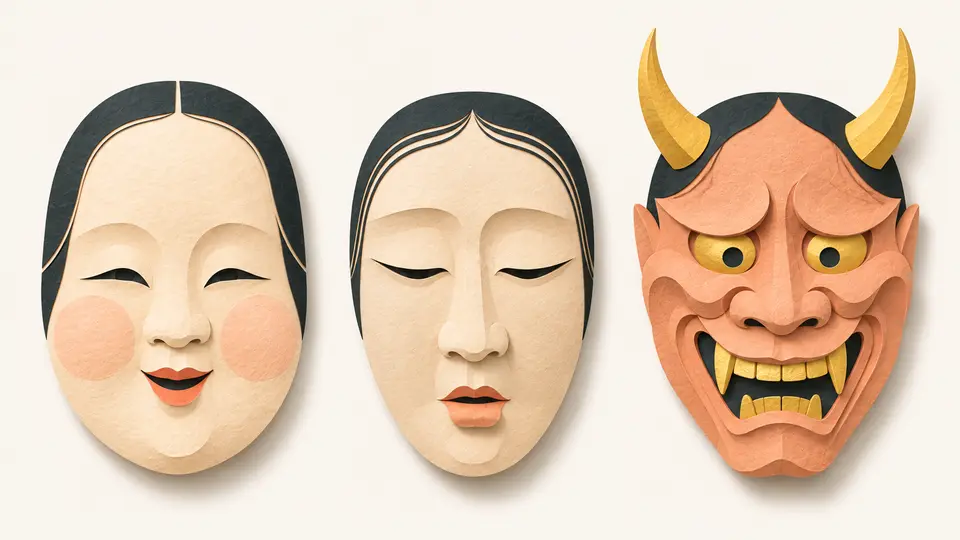
How Noh masks seem to change expression
A Noh mask is one fixed face of cypress and oyster-shell paint. See who wears one, how a small tilt is meant to change its expression, and why the same tilt read the opposite way in laboratory tests.
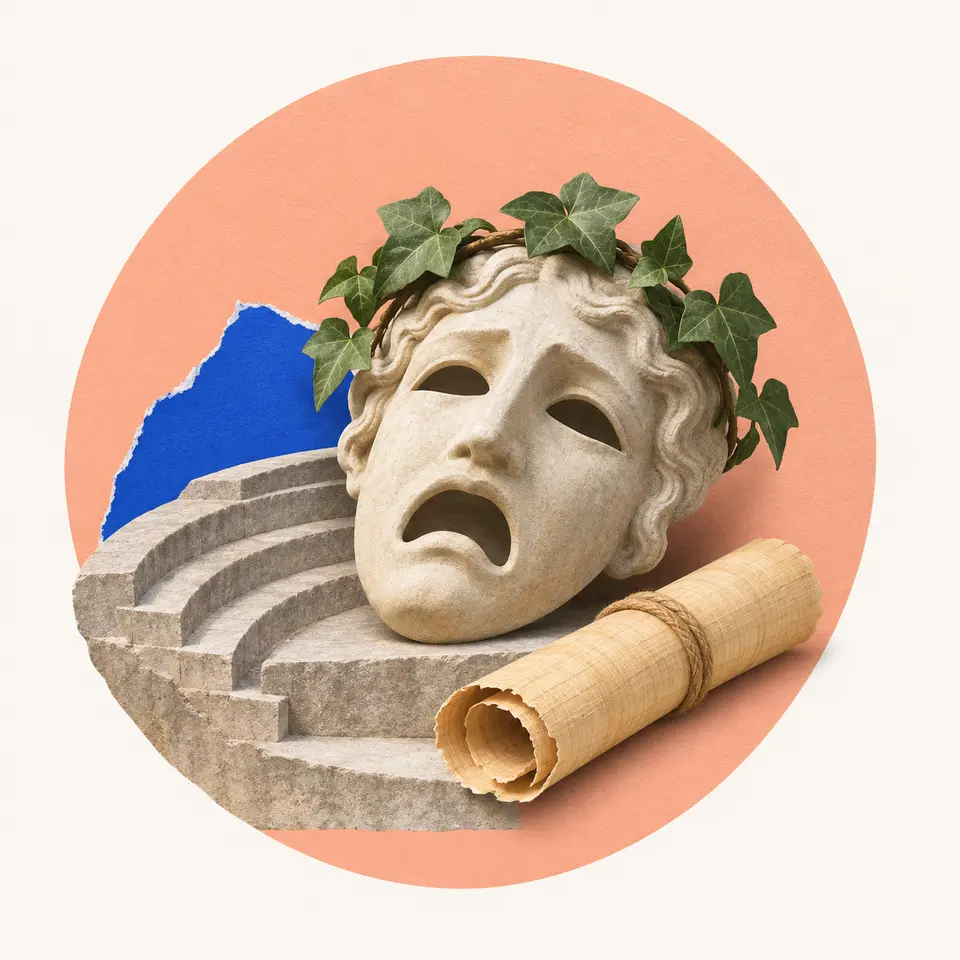
Ancient Greek theatre
How plays began at a festival of Dionysus in Athens, what a chorus, masks and three actors could do, and why Oedipus and Antigone are still staged 2,400 years later.
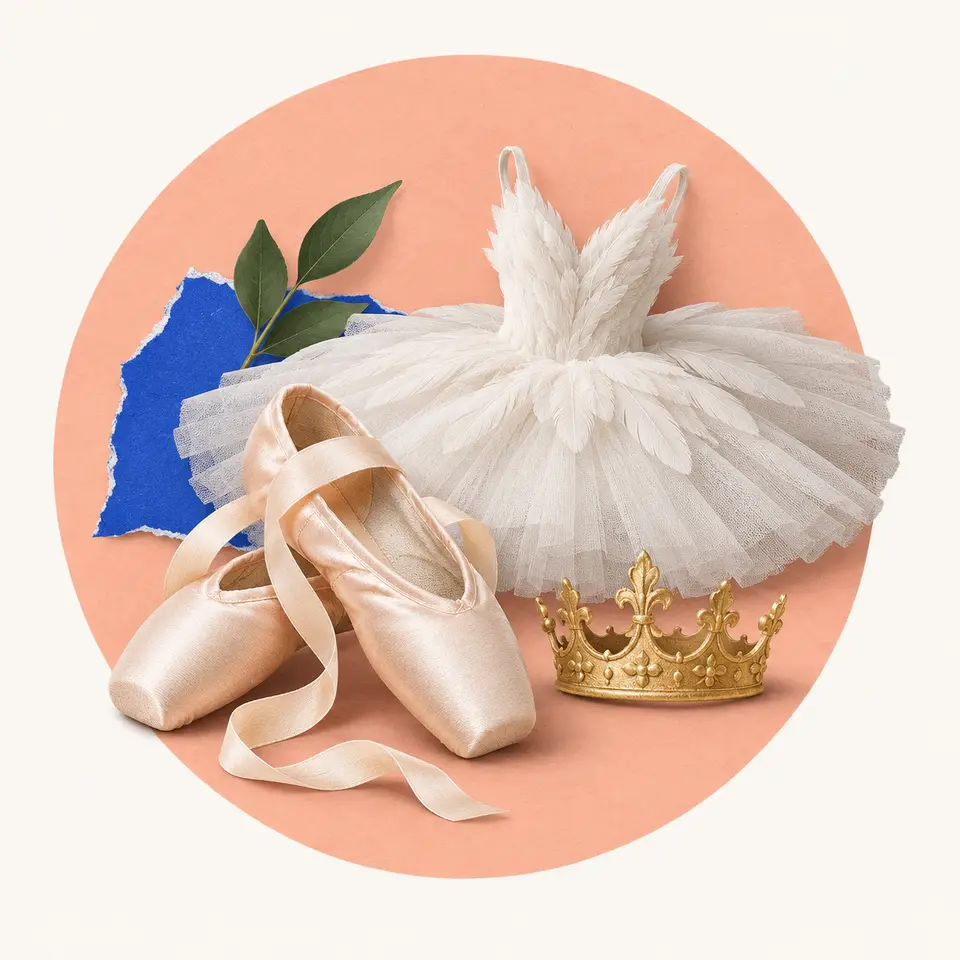
Ballet
How a court dance of Louis XIV became an art of turned-out legs, pointe shoes and stories told without words, and how to watch Swan Lake knowing what the steps and the mime mean.
Architecture, fashion & design
Buildings as cultural works, clothing, graphic and product design, and relationships between appearance and use.
How buildings express power
Read the Palace of Versailles through its decoration, its routes and its rules about who could enter. A single room can stage a king's authority and later take on new political meanings.
How typefaces give words a voice
Learn to tell typefaces apart by their serifs and x-height, follow the London Underground's lettering and Helvetica from drawing board to street sign, and weigh the old argument over whether good type should be invisible.
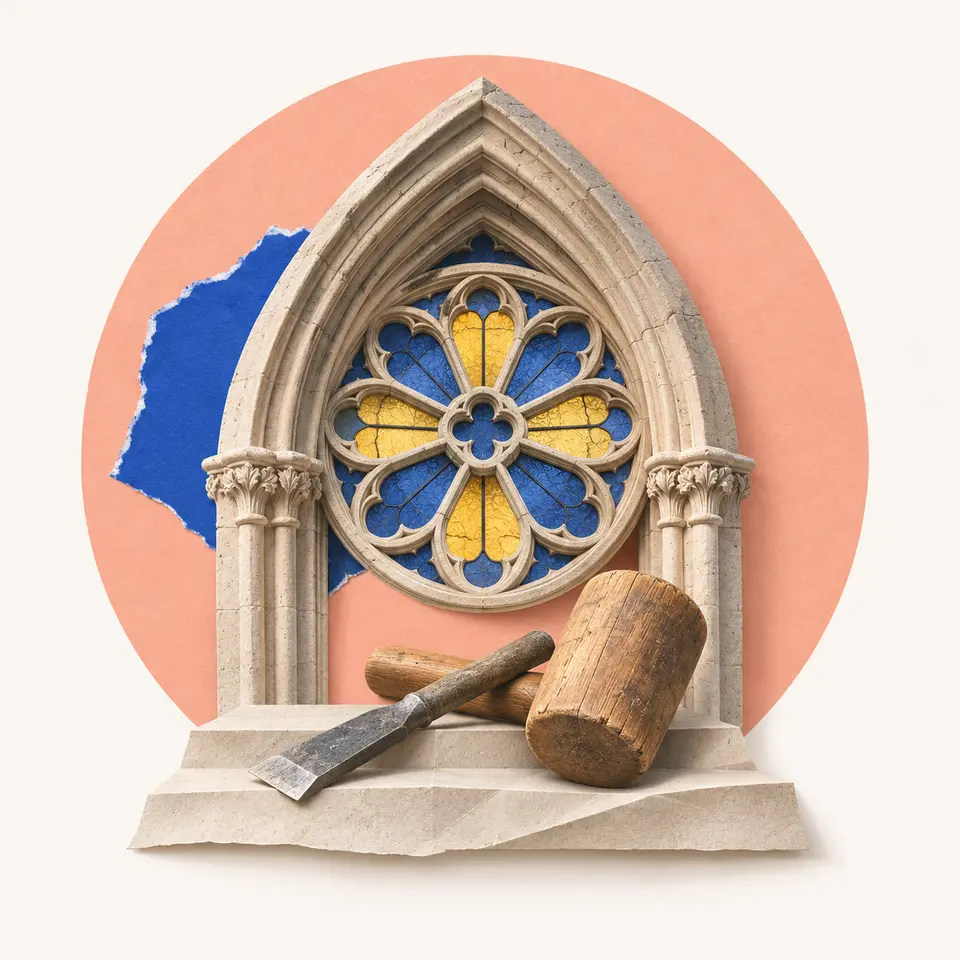
Gothic cathedrals
How medieval builders raised stone vaults over 40 meters high and filled the walls with glass, what pointed arches and flying buttresses do, and who paid for a century of building.
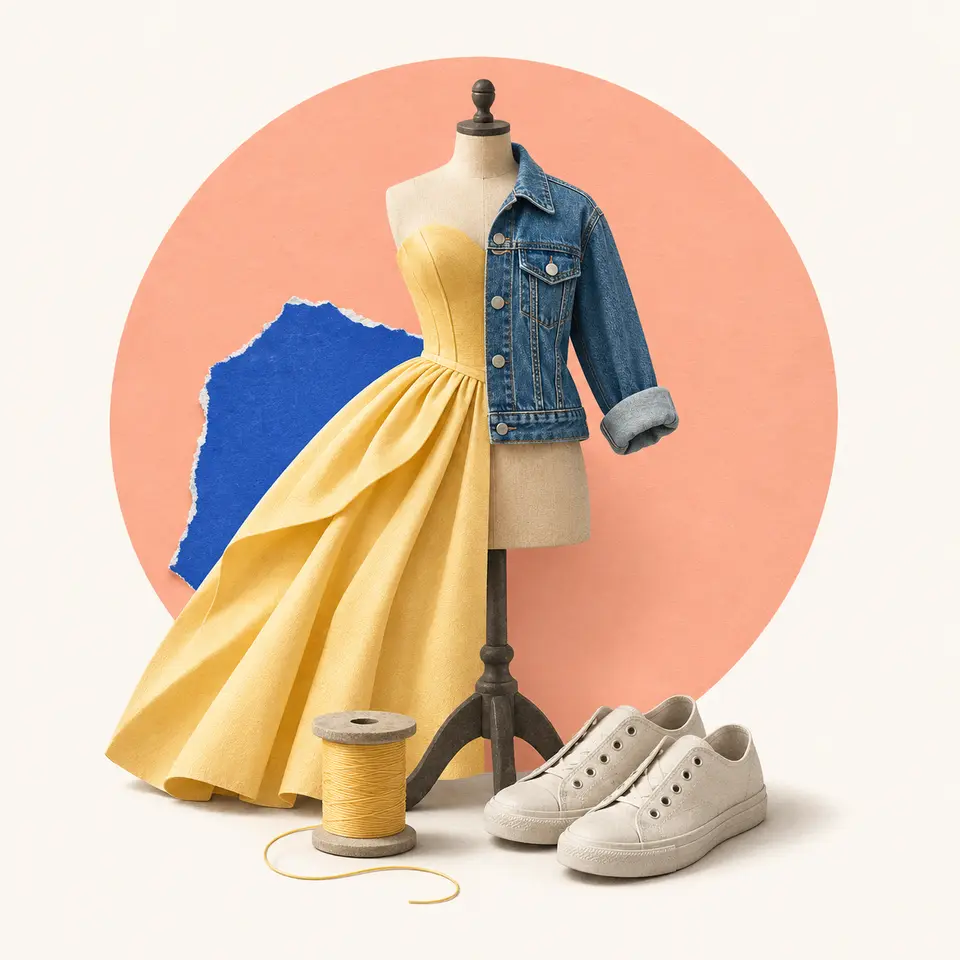
Why fashions change
Why hemlines, colors and silhouettes keep changing when the old clothes still work, how Paris couture set the pattern, and how styles now come up from the street as often as down from the catwalk.
Games & digital culture
Interactive storytelling, game aesthetics, digital art, participatory creative communities and online cultural expression.
Rules that create a game's experience
Change what a game rewards and players choose differently. See how scoring, tradeoffs, playtests and feedback loops shape play, from the board game that became Monopoly to Mario Kart.
Saving games and digital art
A book from 1086 is still readable, while a digital survey from 1986 needed rescuing after 16 years. See why digital works stop working, why most classic games are no longer on sale, and what emulation can and can't save.
The history of video games
How games moved from lab computers to bar-room cabinets, living rooms and phones in about 60 years, why the American market crashed in 1983, and how each new machine changed what a game could be.
Memes and internet culture
What an internet meme really is, why a few spread while most vanish, where the word came from, and how online in-jokes turned into symbols, lawsuits and marketing.
Cultural traditions & heritage
Shared practices, festivals, food cultures, cultural memory, preservation and heritage.
Who decides what heritage to preserve?
UNESCO's heritage list has an entry for the baguette, and what it protects is the bakers' know-how. See what living heritage is, who gets a say in safeguarding it, how a tradition can change and still carry on, and what the three UNESCO lists are for.
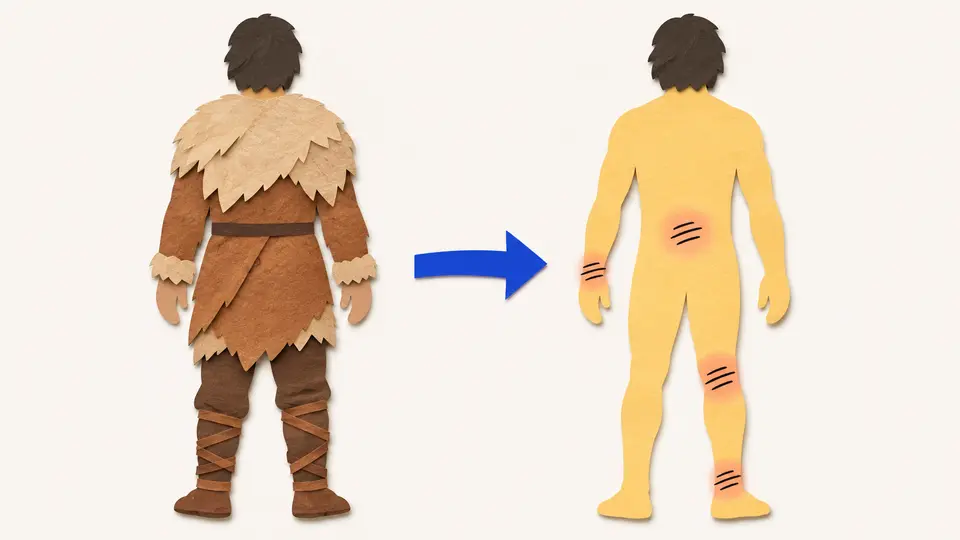
What a tattoo can say
Ötzi's 5,300-year-old tattoos may have been a pain treatment, a Māori moko was carved with a chisel, and tattooed ancestors once traded for muskets are coming home from museums.
Museums and contested objects
How museums came to hold objects from all over the world, how provenance traces an object's owners, and where the fights over the Parthenon sculptures and the Benin Bronzes stand.
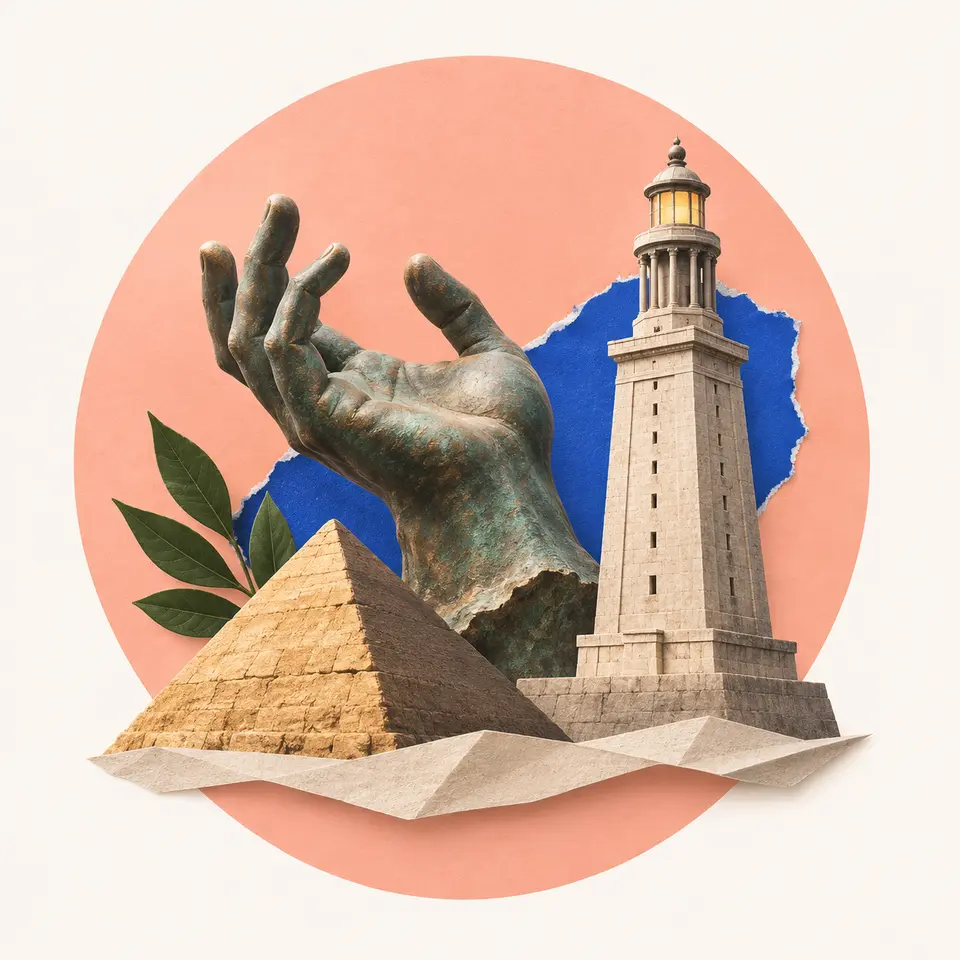
The Seven Wonders of the Ancient World
Which seven buildings and statues Greek writers called sights worth the journey, what each one was, why only the Great Pyramid still stands, and whether the Hanging Gardens ever existed.
Guided paths in Arts & Culture
- How form shapes an experienceRead the choices behind paintings, stories, films, music, stage shows and buildings, then change a game's rules and ask who keeps a tradition alive. 8 topics.
- Art's raw materials, from stone to codeLook at art through what it's made from. The route starts with materials you can touch, like pigment and wood, then moves through words and sound to works made of code. 8 topics.