Politics & Law
Learn politics and law
Compare how societies organize authority, make collective decisions, protect rights, and resolve disputes across jurisdictions.
Political ideas & systems
Political concepts, ideologies, forms of government, legitimacy and different arrangements of political authority.
What makes a democracy democratic?
How meaningful participation, rights, and accountability work together, and why no single design of government is the only democratic one.
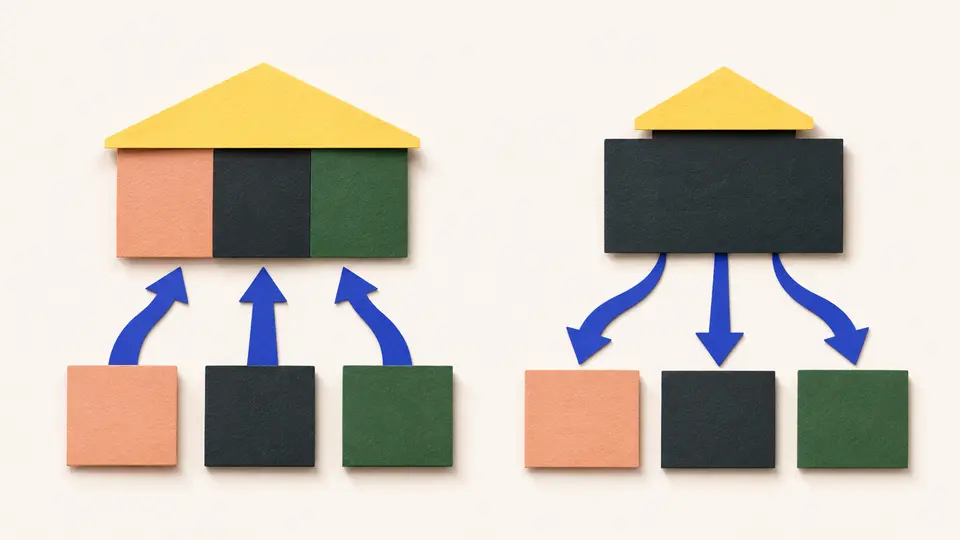
How federal countries split lawmaking power
Federal constitutions split lawmaking between a national government and its regions, then need rules for powers no list mentions and for laws that clash.
Left and right in politics
Where the words left and right come from, what they usually signal about equality, markets and tradition, and why one line can't place every party or voter.
Forms of government
A map of the ways countries are ruled, from monarchies and juntas to one-party states, theocracies and democracies, sorted by who holds power and what limits them.
Government & institutions
Legislatures, executives, public administration, local government, institutional powers and accountability arrangements.
How a bill becomes a US federal law
Follow a made-up bill through the US Congress, from a wooden box in the House to committee work, agreement between the two chambers and the president's desk.
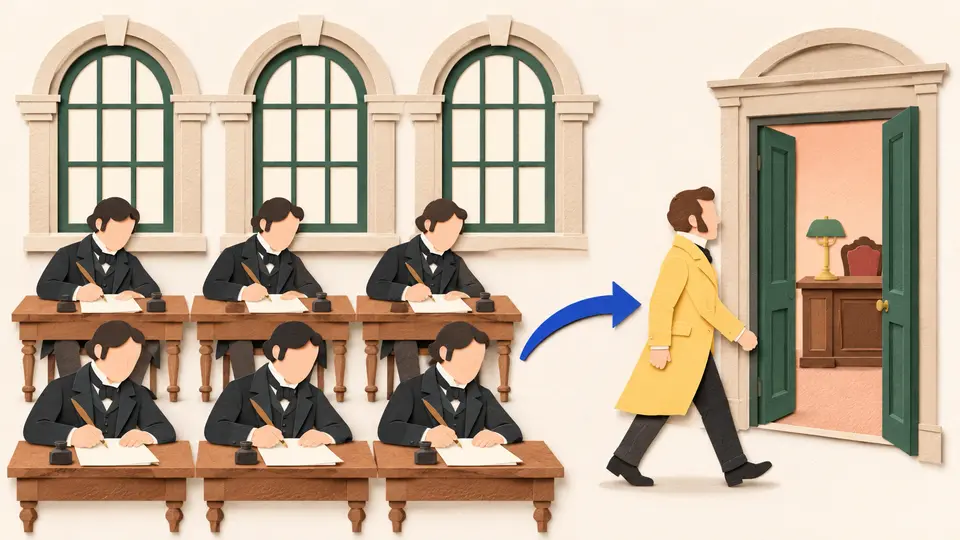
What a civil service does
Trace how permanent officials came to be hired on merit, why they serve whichever party wins, and where the line with political staff runs.
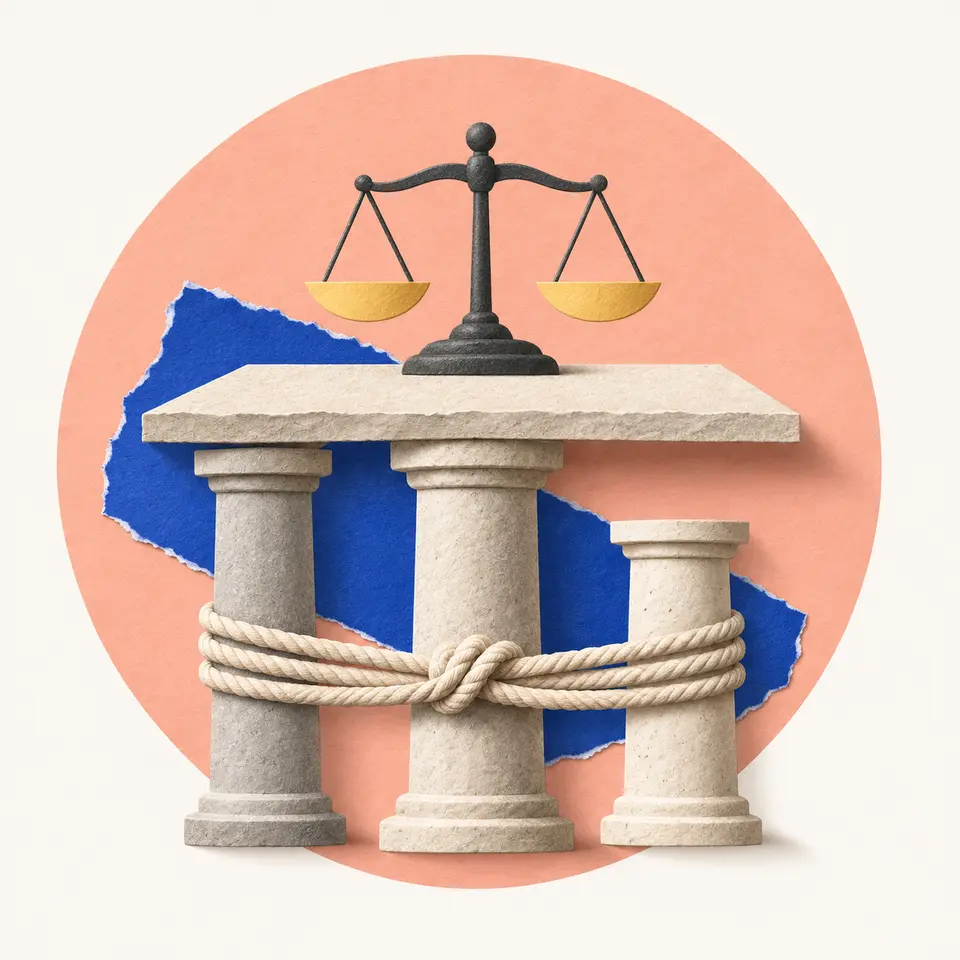
Separation of powers and checks and balances
Why constitutions split lawmaking, governing and judging between different bodies, how each gets tools to block the others, and what happens when the checks fail.
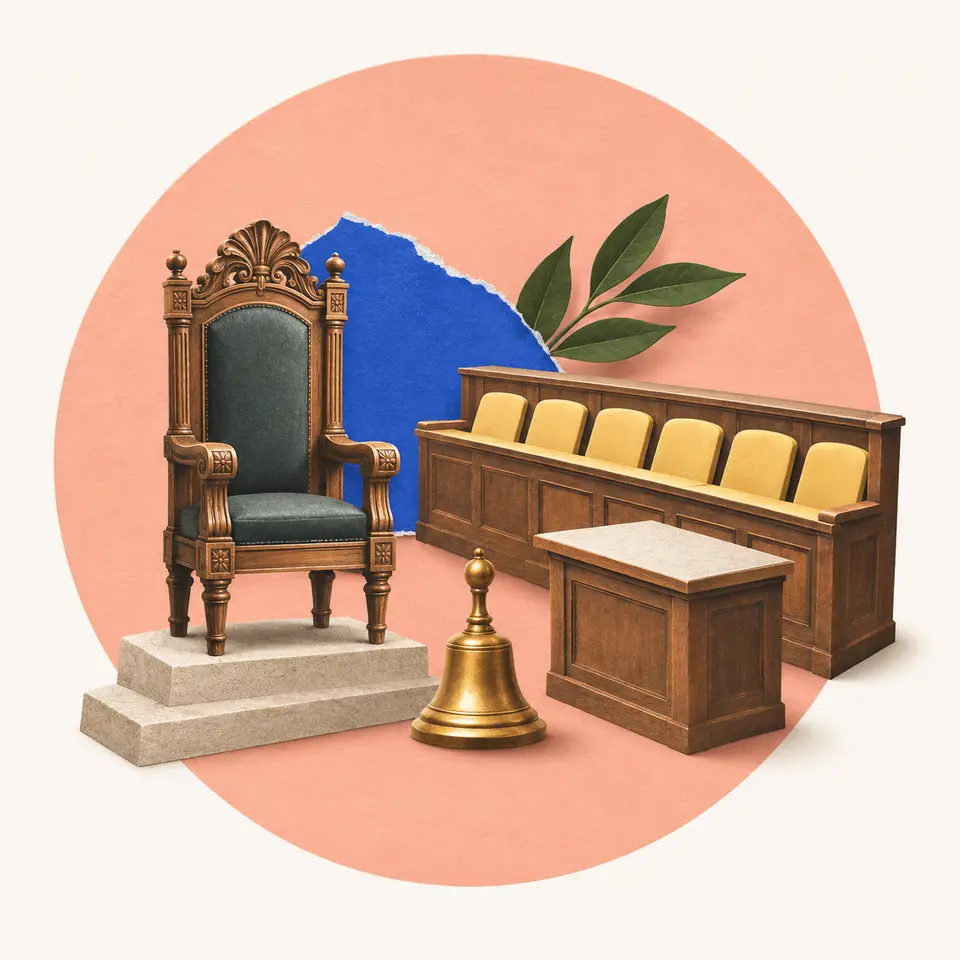
Parliamentary and presidential systems
Some countries elect a president for a fixed term. Others let parliament pick and remove the prime minister. See what each design does to deadlock, crises and democracy itself.
Elections & civic participation
Electoral systems, voting, parties, representation, campaigns, civic organizations and participation.
How voting systems turn votes into seats
See how first past the post, party lists and ranked ballots turn the same votes into different seats, with made-up districts and real results from the UK and Australia.
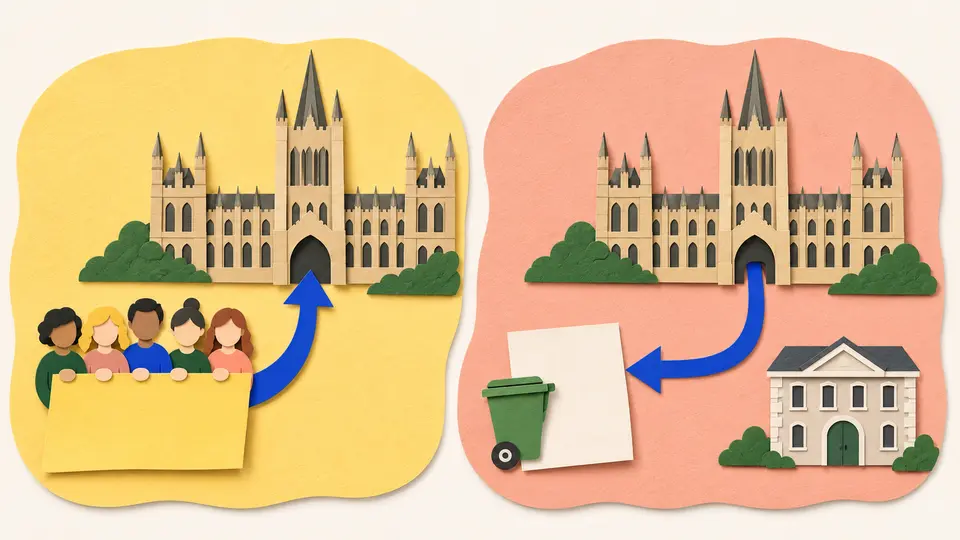
What petitions and citizens' initiatives can do
Compare what signatures can win in the UK, Switzerland and the EU, from a government reply to a national vote, and weigh the case for citizens' initiatives.
Political parties
Why almost every democracy runs on parties, what they do for voters and politicians, why some countries have two big parties and others ten, and why loyalty to them is fading.
How a fair election is run
Follow an election from the voter roll to the posted result, and see what independent officials, the secret ballot, observers and audits each add to trust in the outcome.
Public policy & regulation
Policy design, implementation, regulation, administration, evaluation and the handling of public problems.
Why a policy has unintended effects
See how a reward can backfire, why delivering a program isn't the same as helping, and how evaluators work out what a policy really changed.
Why the US banned alcohol and then lifted the ban
Follow national Prohibition in the United States from the 18th Amendment to repeal in 1933, and weigh the evidence on whether the ban cut drinking.
How public policy is made
How a problem finally gets a government's attention, which tools officials can reach for, why a funded program can stall on the ground, and why policies are so hard to undo.
Regulation and the agencies that enforce it
Why governments check drugs, utilities, banks and airlines, how an agency turns a law into rules and inspections, and how an industry can end up steering its own watchdog.
Rights & constitutions
Constitutional structures, civil liberties, human rights and the legal definition and limitation of public powers.
When rights collide and which ones never bend
Follow real European human rights cases to see how courts weigh free speech against privacy, what a restriction has to prove, and why the ban on torture allows no exceptions.
How written and unwritten constitutions differ
Compare the UK's uncodified constitution with codified ones in Germany, Ireland and the US, and see what happens when key rules are only conventions.

Human rights and the Universal Declaration
What the 1948 Universal Declaration lists, how a statement with no legal force grew into binding treaties and courts, and where the idea of rights owed to everyone came from.
Freedom of speech and its limits
Why free expression is protected, where the US, Europe and other legal systems draw the line on incitement and hate speech, and why they draw it in different places.
Courts, crime & justice
Legal traditions, legal reasoning, courts, criminal law, evidence, procedure, appeals and punishment.
What a fair trial requires
What the European Convention on Human Rights demands of a criminal trial, from a judge nobody could suspect of bias to a free interpreter, and what it leaves out, such as a jury.
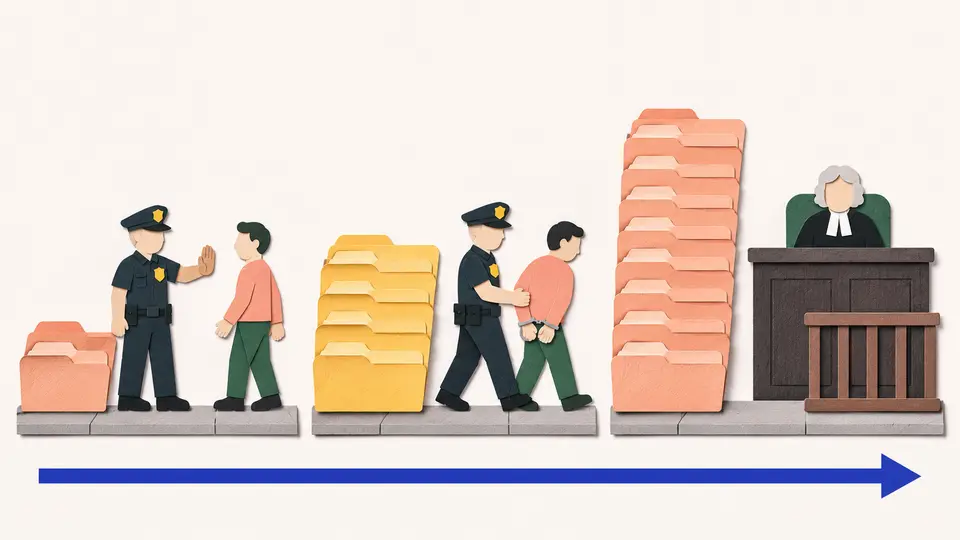
How sure a court has to be
Courts in the US and UK can't know for certain what happened, so the law sets how sure they must be, from more likely than not up to beyond a reasonable doubt for a conviction.
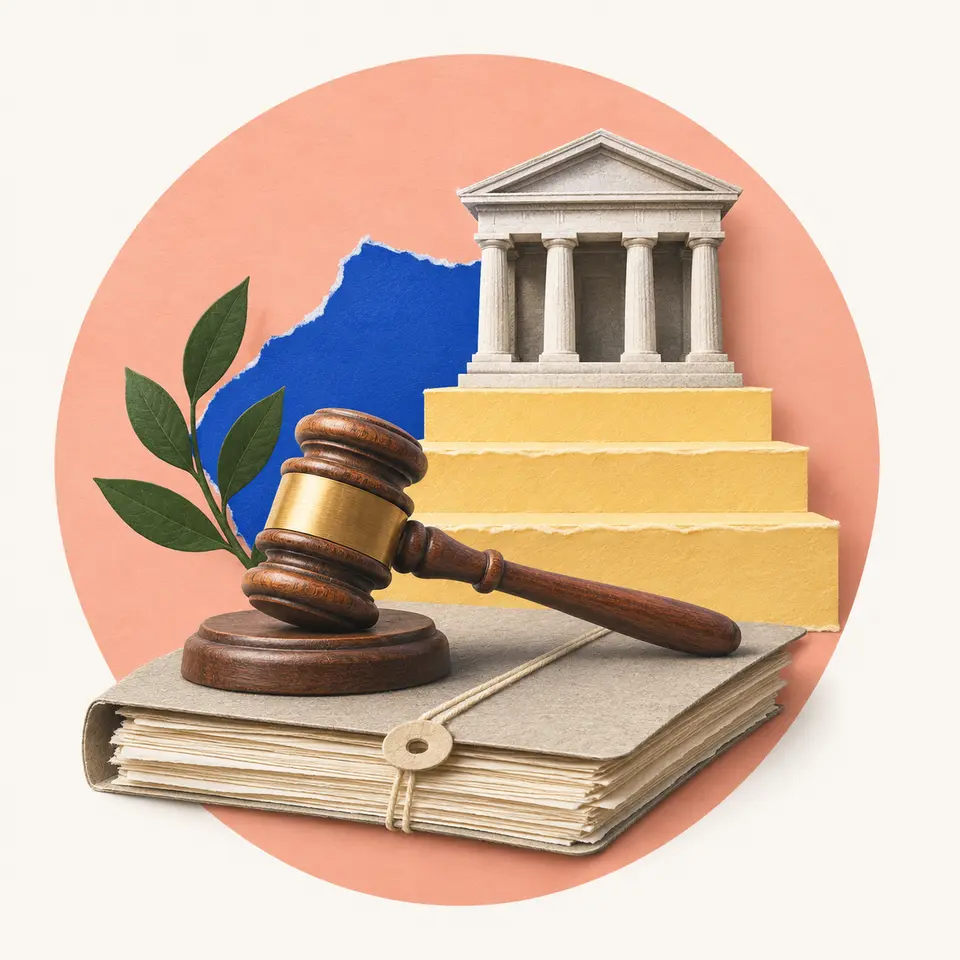
How courts and appeals work
Follow a case from its first hearing to the highest court. See who does what in a courtroom, what an appeal can and can't reopen, and what keeps judges free from pressure.
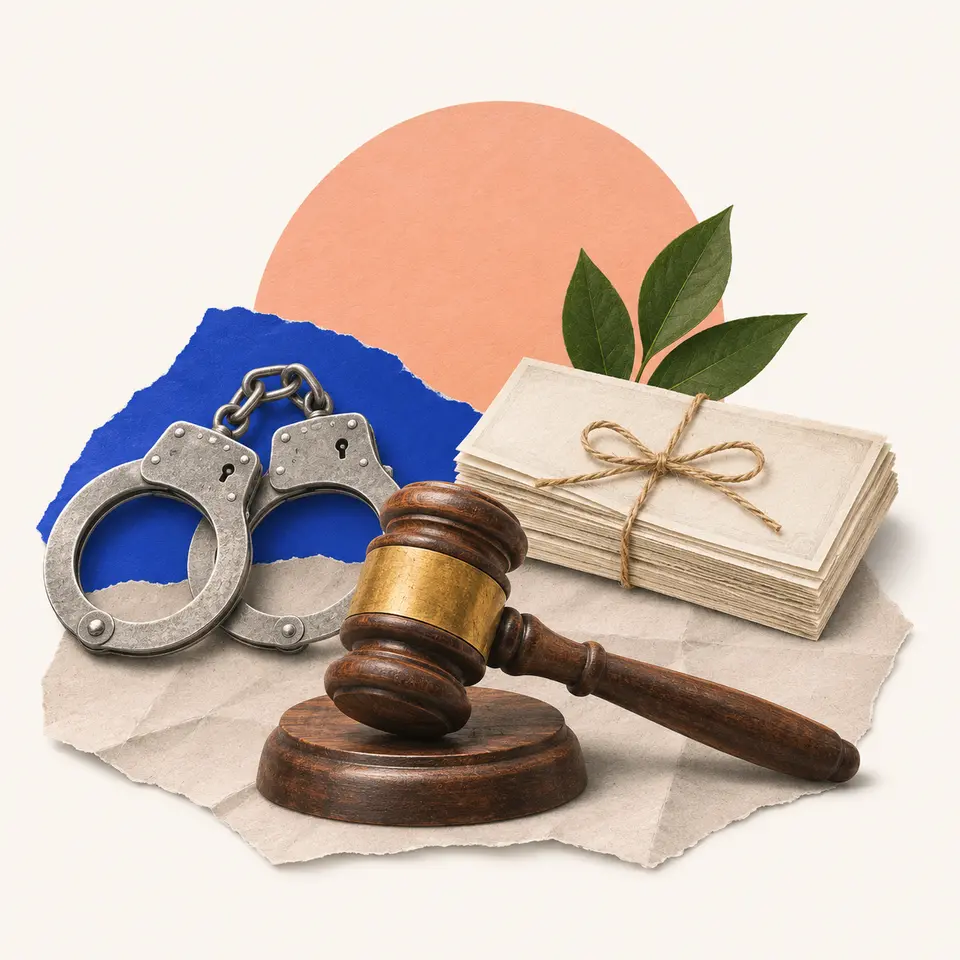
Criminal cases and civil cases
The state prosecutes crimes and punishes. Private parties sue each other for compensation. See how the two tracks differ, how one event can lead to both, and where the line blurs.
Everyday & business law
Contracts, property, family law, employment, civil liability, consumer law, intellectual property and commercial law.

What makes a contract enforceable?
What turns a promise into a contract under US law, from offer and acceptance to the exchange each side must make, and when a deal has to be in writing.
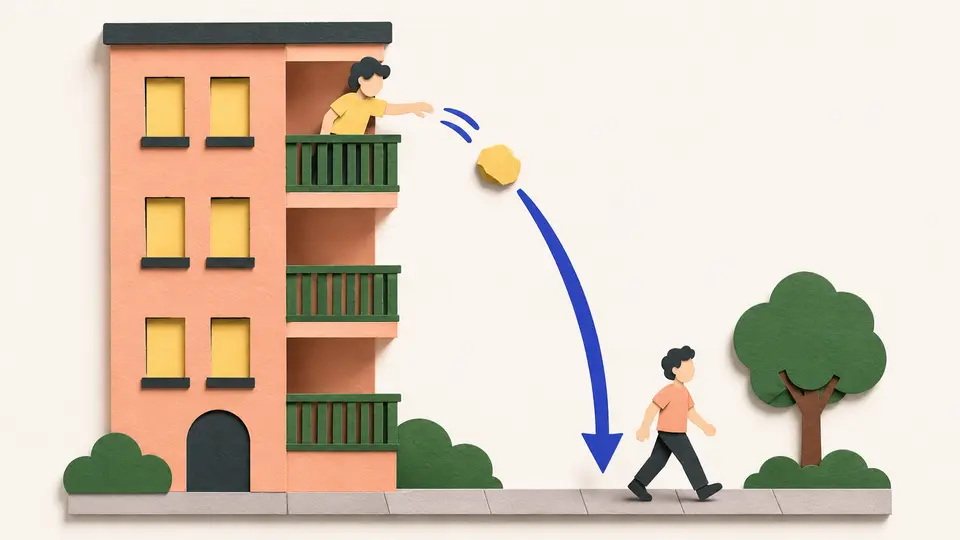
When carelessness becomes negligence
Find out what negligence means in law, from a snail in a Scottish bottle of ginger beer to a US judge's formula, and see how US states split the blame when both sides were careless.
Ownership and property rights
What it means to own something in law, why a finder can beat everyone but the owner, how land registers and squatters work, and when the state can take land or neighbors share it.
Copyright, patents and trademarks
Three kinds of legal protection for what people create. Learn what each covers and how long it lasts, where fair use and parody fit, and why sampling and AI training are fought over.
International relations & law
Relations between states, diplomacy, treaties, international organizations, security and international legal arrangements.
How a treaty binds a country, and what enforces it
Follow a treaty from signature to ratification, entry into force and enforcement, and see why a country can sign a treaty without being bound by it.
How international courts try war crimes
Follow international criminal justice from the Nuremberg trial to today's International Criminal Court, a permanent court that still depends on states to make its arrests.
The United Nations
Why the UN was built in 1945, how the General Assembly, Security Council and agencies split the work, why five countries hold a veto, and what the UN has achieved.
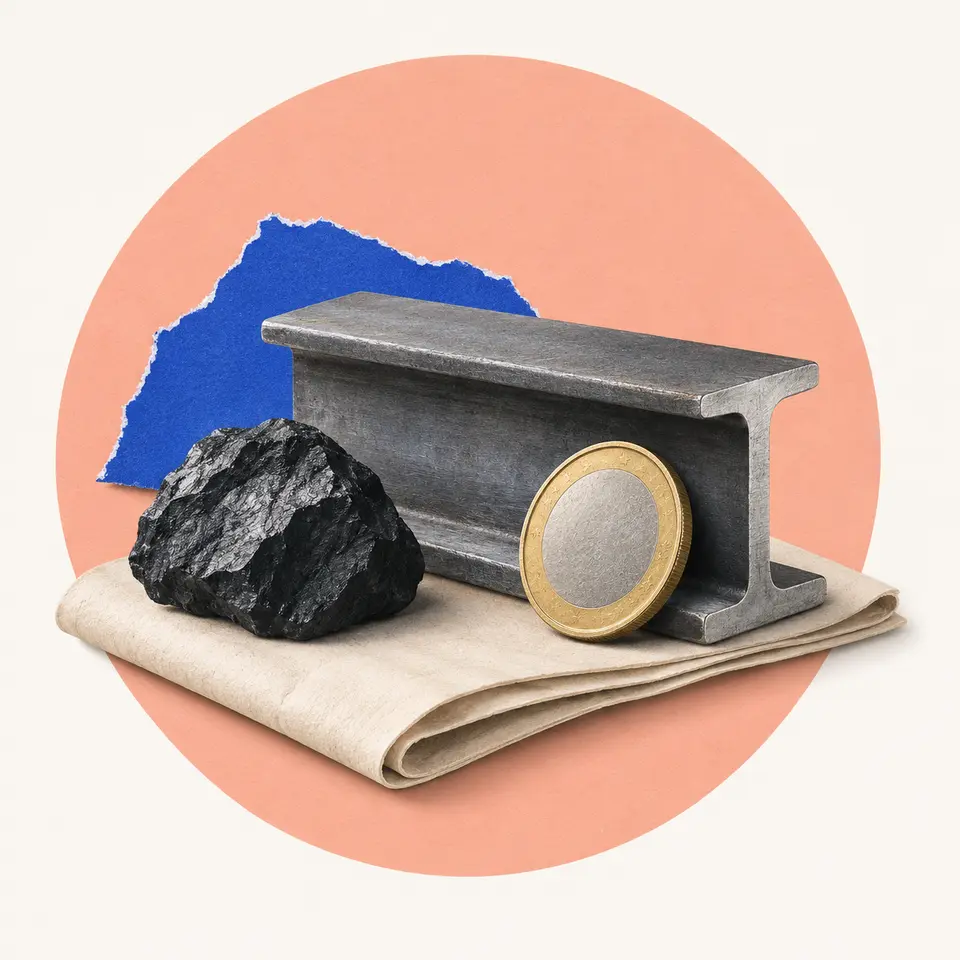
The European Union
How a coal and steel pact between six countries grew into a union of 27 with a single market, a shared currency and its own court, and who decides what in Brussels.
Guided paths in Politics & Law
- From the rulebook to the courtroomFollow a country's rules from the constitution down to the courts that apply them, meeting citizens and officials on the way. The route ends at an international court. 8 topics.
- Rules, power and rightsFollow votes into laws and policies, then look at the rights and procedures that protect people. 8 topics.