Mind & Psychology
Learn psychology
Explore how people perceive, remember, feel, decide, and relate to others, including the limits of psychological evidence.
Brain & consciousness
Neural foundations of experience, awareness, mental imagery, altered states and the relationship between brain and behavior.
How neurons send and receive signals
Follow a signal through a nerve cell and across a synapse, and see why naming a chemical can't explain a whole behavior.
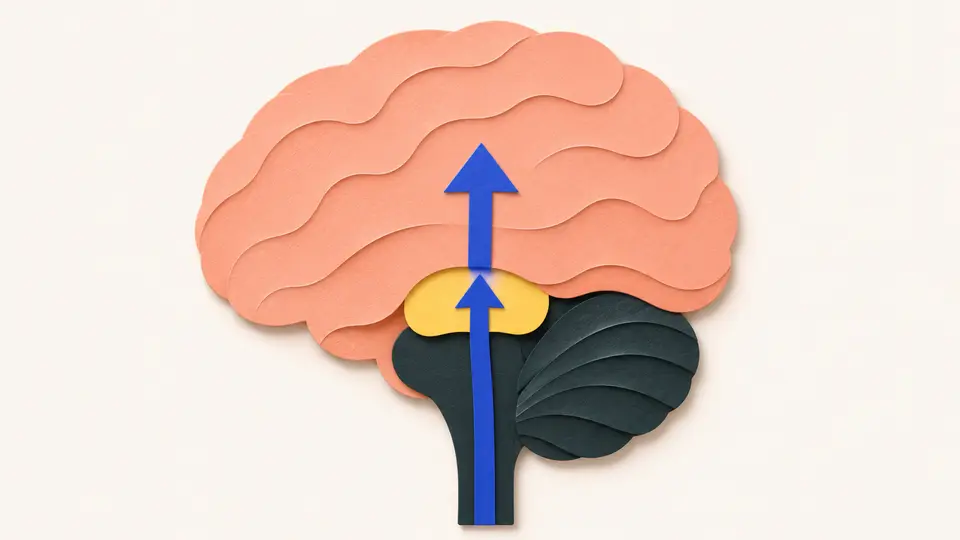
A map of the brain and the autonomic nervous system
Tour the brain's three units, four lobes and inner structures, then meet the autonomic nervous system, which runs your heart rate and digestion without being asked.
Consciousness and the brain
How scientists separate being awake from being aware, what blindsight and masked words reveal, how two rival theories fared in a joint test, and what brain scans of unresponsive patients can and can't show.
Neuroplasticity and the changing brain
How learning reshapes the adult brain, why early childhood has sensitive periods, how practice drives recovery after a stroke, and why brain-training games fall short of their claims.
Perception & attention
Sensory interpretation, illusions, attention, awareness of surroundings and limits on what people notice.

Why we miss things in plain sight
Why light reaching your eyes isn't the same as noticing, how a goal steers what you see, and why even experts miss the unexpected.
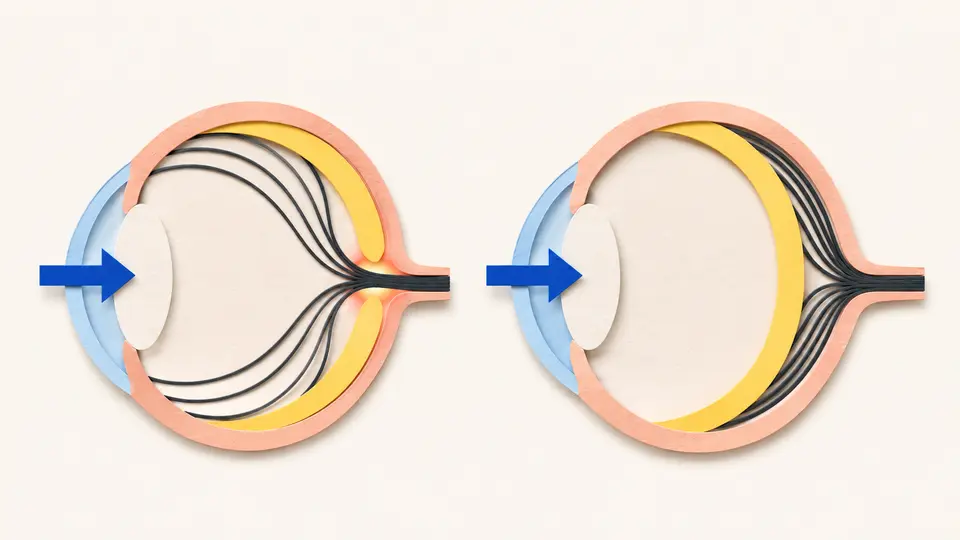
Your eye's blind spot and how the brain fills gaps
Each of your eyes has a patch that detects no light, and you've never noticed it. Learn why it's there, how to find it, and how the same gap-filling habit turns dots and fragments into whole shapes.
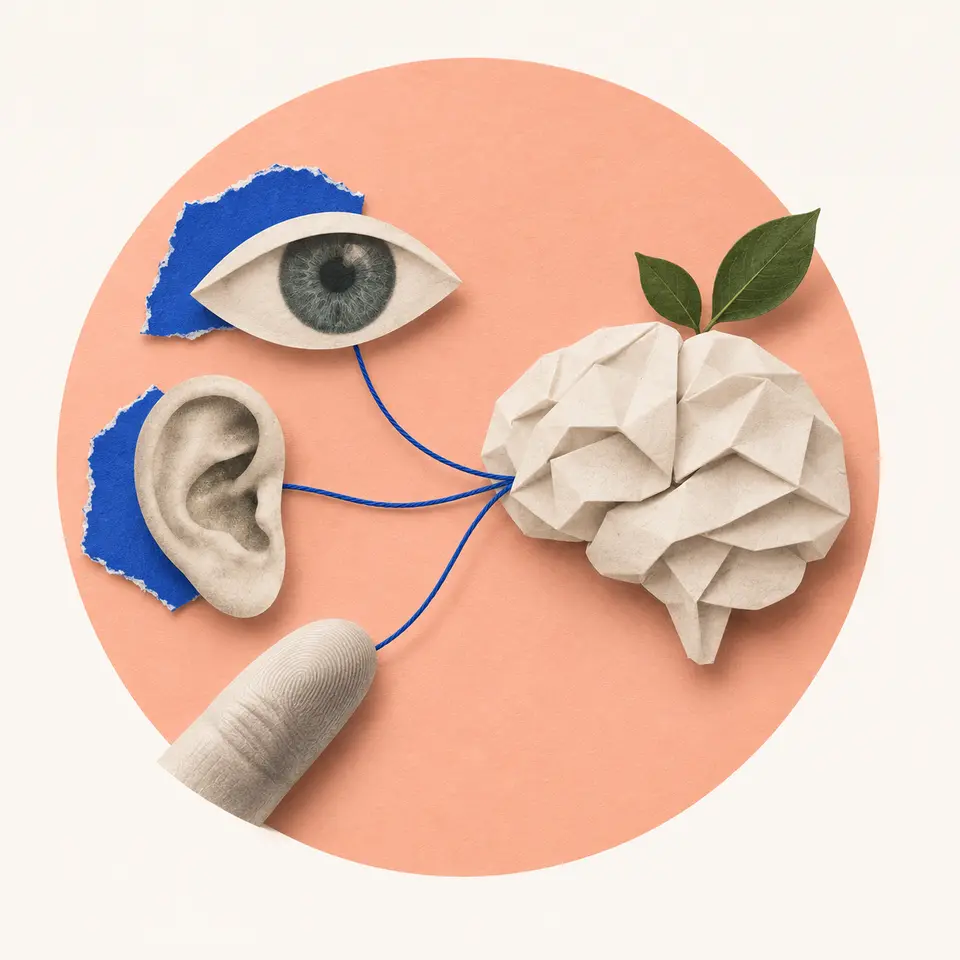
How the senses become perception
Your senses turn light, sound and pressure into nerve signals, and your brain turns those signals into a world. See how each step works and why the same input can look different twice.
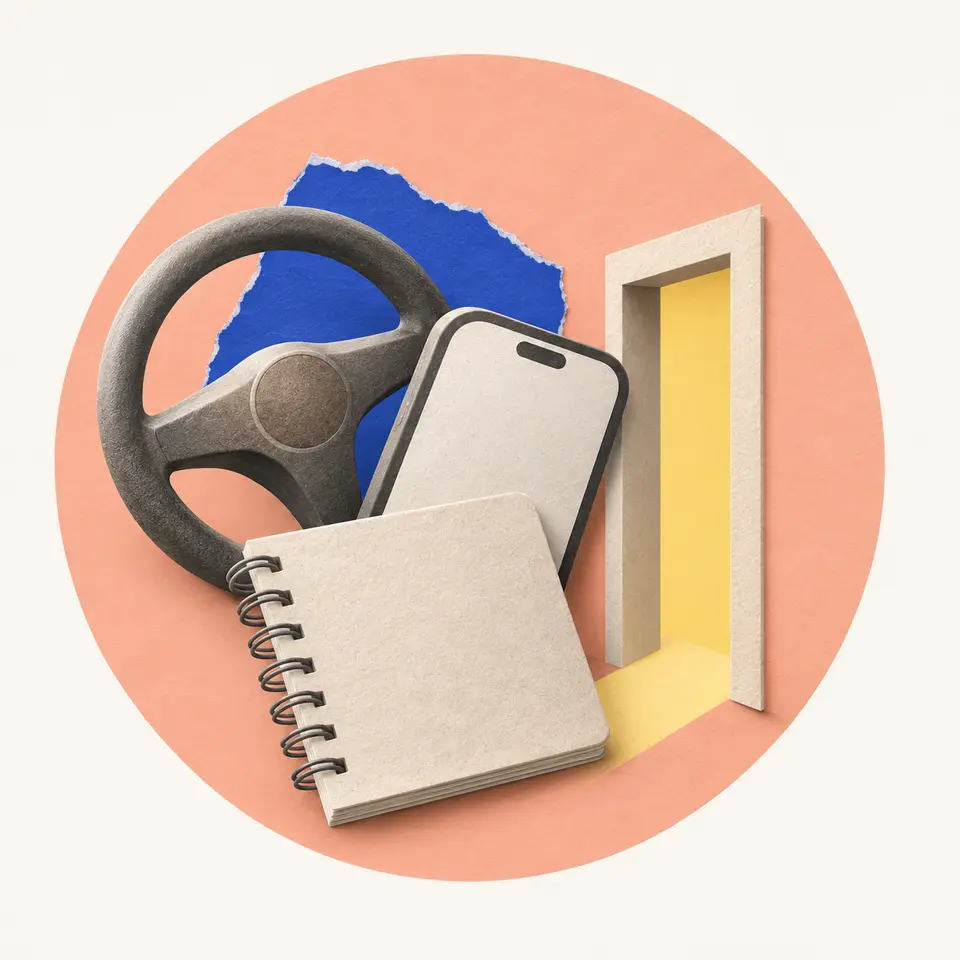
Multitasking, distraction and the limits of attention
Why doing two things at once usually means switching between them, what each switch costs, and what the evidence says about phones, driving and shrinking attention spans.
Memory & learning
Remembering, forgetting, skill acquisition, learning strategies and the development of expertise.

Why testing yourself beats rereading
Why pulling an idea out of memory builds it better than reading it again, and how to combine recall, feedback and well-timed gaps.
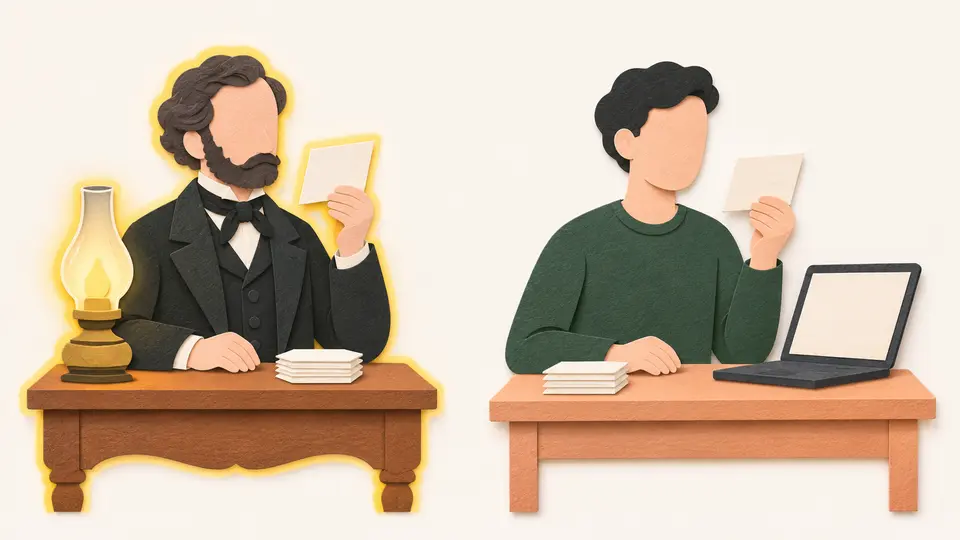
How memories fade and how they get rewritten
A memory can drain away, or it can stay vivid and report something that never happened. Learn what the forgetting curve really measured and how later information edits what you remember.

How memories are made, stored and recalled
Follow a memory from the moment something happens to the day you recall it. Learn the three steps every memory needs, the kinds of long-term memory you rely on, and how new memories settle.

Working memory and its limits
You can hold only a few things in mind at once. Learn how big that mental workspace is, how chunking stretches it and how its limits shape the way beginners learn best.
Emotions & motivation
Feelings, drives, rewards, goals, stress responses and processes that move people to act.

How emotions work, from racing heart to smile
An emotion combines a feeling, a bodily change, a reading of the situation and an expression. See how the parts fit together, and why neither a racing heart nor a smile tells you what someone feels.
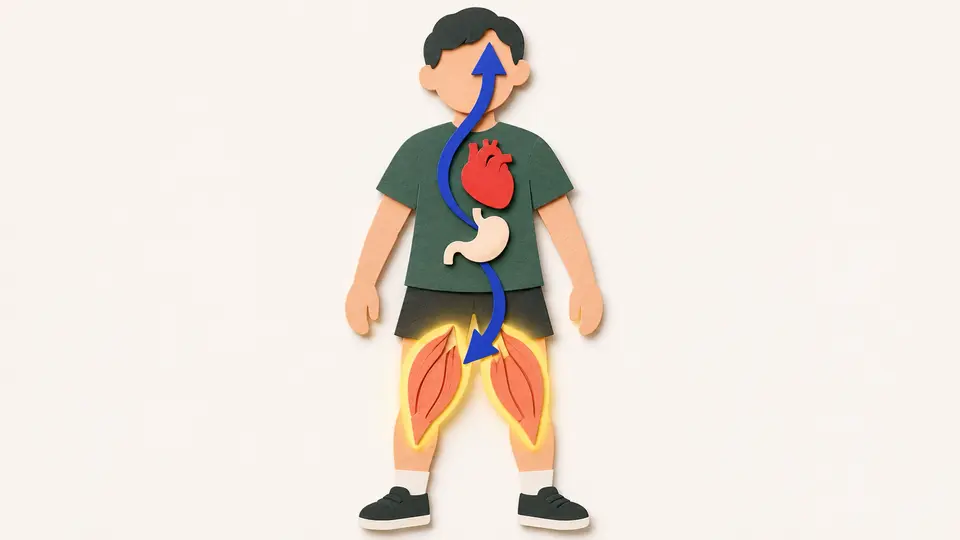
The fight-or-flight response, stress and anxiety
A threat sets off an alarm that reaches your heart, liver and pupils within moments. See what each change is for, what happens when the alarm stays on, and how to tell stress from anxiety.

Intrinsic and extrinsic motivation
Some things you do for their own sake and some for a payoff. Learn how the kinds of motivation differ, when a reward kills interest and what people need to stay motivated.

Maslow's hierarchy of needs
The pyramid of needs is one of the most copied diagrams in psychology, and Maslow never drew it. See what he proposed, how it has been tested and what holds up.
Habits & behavior
Conditioning, routines, reinforcement, self-regulation and behavior in different environments.

How habits form and how long it takes
A habit is an action that a familiar situation sets off without a decision. Learn how to build one, why you can't build one out of not doing something, and where the 21-day rule came from.
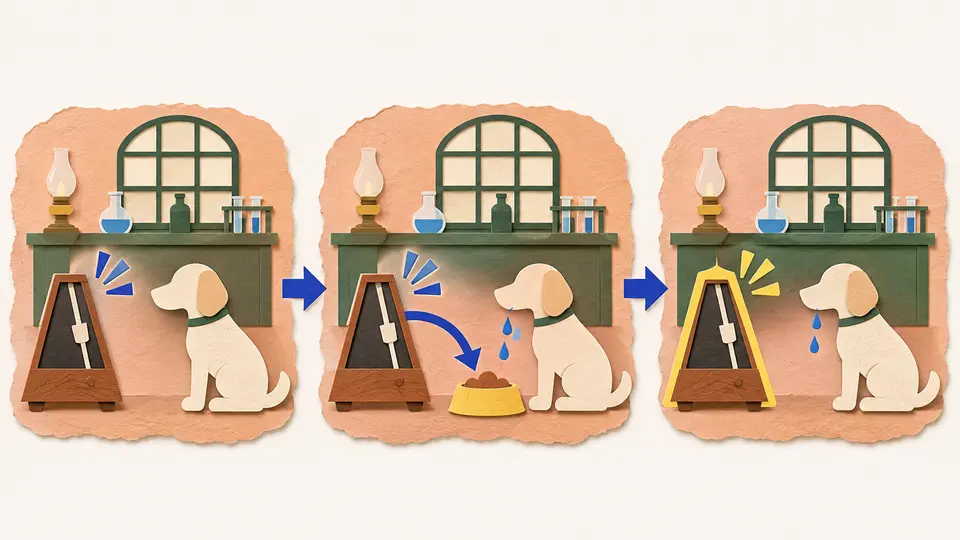
How signals and rewards train behavior
Classical conditioning teaches the body what a signal predicts. Operant conditioning changes what you do through what follows it. Learn both, and why something learned this way can come back after it seems gone.

Willpower and self-control
Is willpower a fuel that runs out, or mostly a matter of dodging temptation? See what the marshmallow test and its re-runs found, and what people with good self-control do differently.

Procrastination
Putting things off has more to do with dodging how a task feels than with laziness. See why people delay against their own judgment, what it costs and which fixes have evidence behind them.
Thinking & decisions
Reasoning, beliefs, cognitive biases, intelligence, uncertainty and choosing between alternatives.

The sunk-cost trap
Learn to separate money and time you can't get back from what a choice can still change, and see why sticking with something isn't always the mistake it looks like.
Anchoring and availability, two shortcuts in judgment
A number you've just seen pulls your estimate toward it, and whatever comes to mind easily feels common. See the experiments behind both shortcuts and what helps against each.

Fast and slow thinking
Much of your thinking is quick and automatic, and some is slow and effortful. See how the two modes split the work, why the quick one is usually right and where it trips.
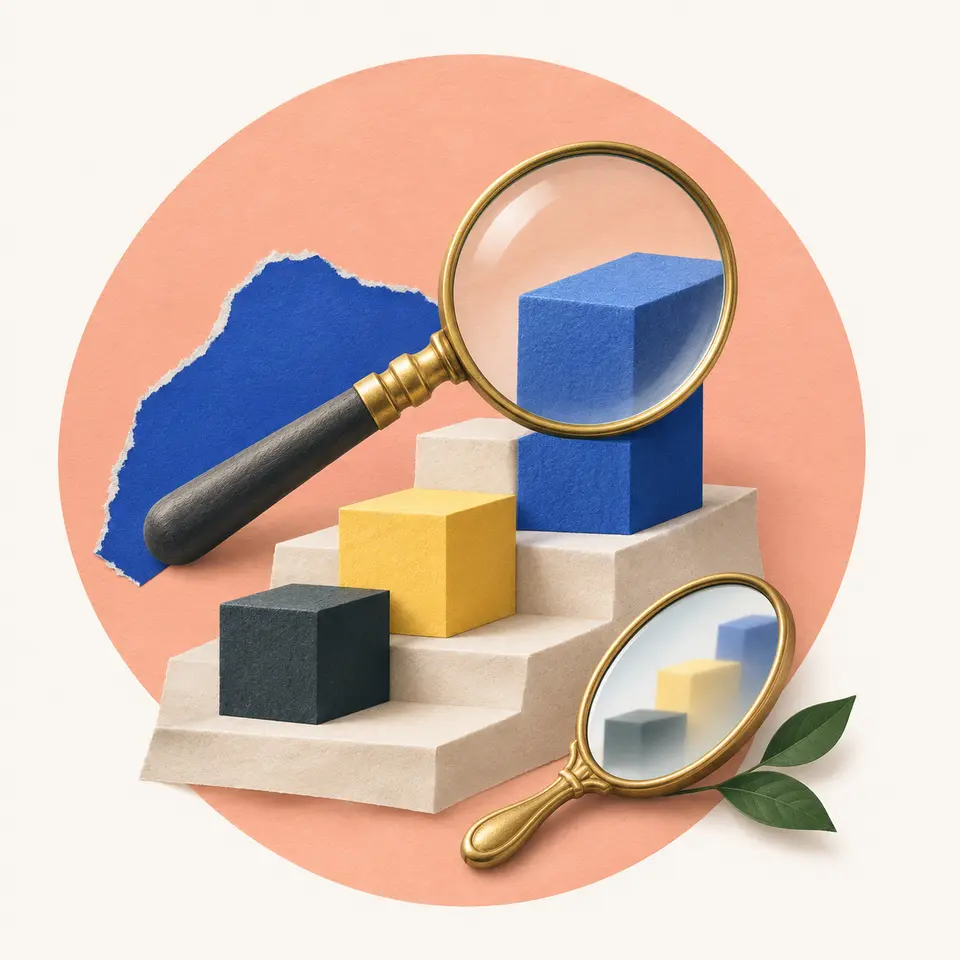
Confirmation bias
People look for, notice and remember evidence that fits what they already think. See the number puzzle that exposes the habit, why it may not be a simple flaw, and what helps against it.
Personality & development
Individual differences, temperament, attachment development and psychological change throughout life.

Traits, situations and behavior
See why psychologists describe personality as positions on five scales, how the situation shapes what a trait looks like in action, and how to judge a personality test.
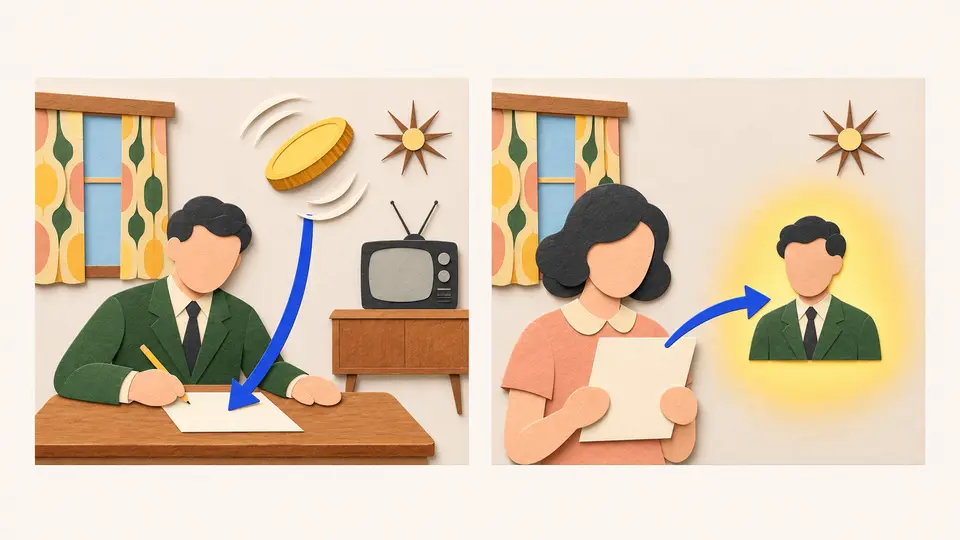
The fundamental attribution error and its limits
People read an essay written to order as the writer's real opinion. See what the fundamental attribution error is, which famous claim about it failed its tests, and how it varies across cultures.

Piaget and how children's thinking develops
A young child thinks a tall glass holds more juice than a wide one. See what Piaget learned from mistakes like this, the stages he proposed and how later research changed the picture.
Sigmund Freud and psychoanalysis
Freud's ideas about the unconscious, childhood and dreams changed how people talk about themselves. See what he claimed, how he worked and which of his ideas held up when tested.
Relationships & social behavior
Friendship, attraction, cooperation, conflict, groups, social influence and interpersonal relationships.

Conformity and dissent
Why people go along with a group or an authority, what Asch's and Milgram's experiments found, and what makes it easier to disagree.
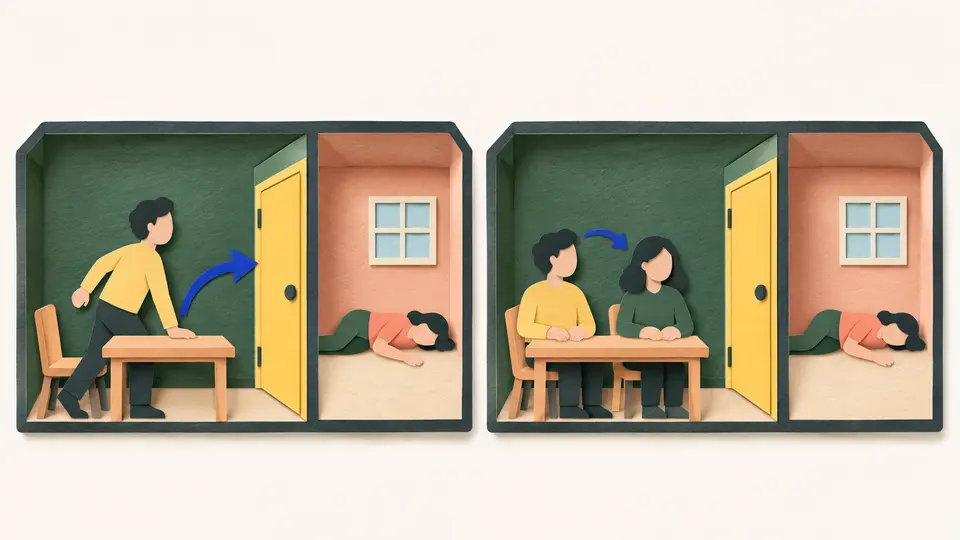
The bystander effect and what real crowds do
A 1964 newspaper story about 38 neighbors who watched a murder was badly exaggerated, yet it started decades of experiments. See what they found, why people in a crowd hold back and what street cameras show about real emergencies.

Attraction and why we like who we like
Who people fall for is less mysterious than it feels. See how nearness, familiarity, similarity and looks shape attraction, and what speed-dating and app data added.
Stereotypes, prejudice and discrimination
A belief about a group, a feeling toward it and an act against it are three different things. See how each forms, how bias is measured and what reduces it.
Guided paths in Mind & Psychology
- Notice, remember and decideFollow the mind from nerve signals and attention to memory, emotion, habits, decisions and the pull of a group. 8 topics.
- What your mind does before you noticeSee how much of your mind runs without asking you. The route starts in your brain and body, then widens to how you judge other people and act in a crowd. 8 topics.