Economics & Money
Learn economics
Follow the choices, prices, institutions, and trade that coordinate resources and shape everyday economic decisions.
Markets, prices & incentives
Scarcity, exchange, supply and demand, competition, behavioral economics, market failures and economic systems.

Why prices change
See how shortages and surpluses push a price, tell a change in demand from a change in supply, and find out what happens when a price isn't allowed to move.
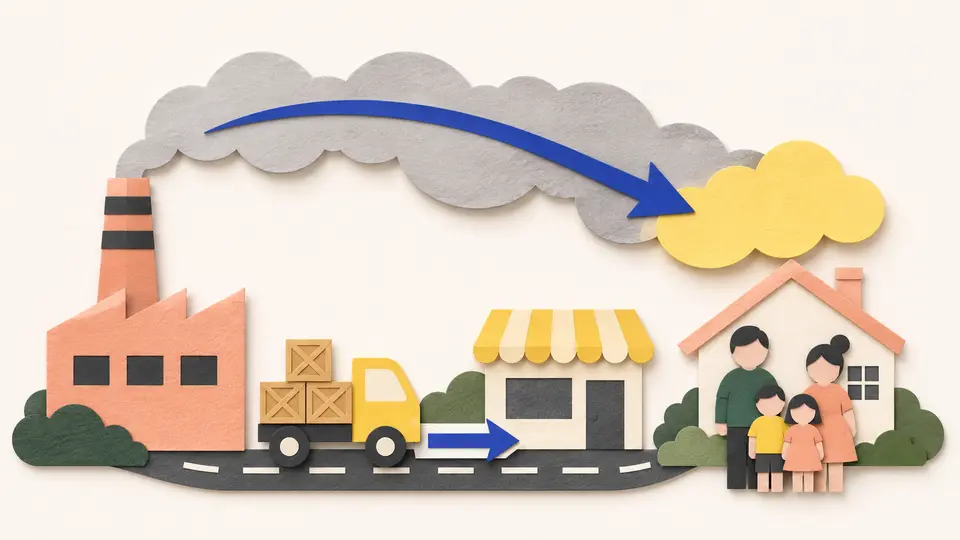
Externalities, the costs and benefits prices miss
A market makes too much of what harms bystanders and too little of what helps them, and a corrective tax or a private bargain can put the missing cost back into the decision.

Scarcity and opportunity cost
Every choice uses up time, money or materials that could have gone elsewhere. Learn to name what a choice really costs, and why economists count the option you gave up.
Capitalism, socialism and mixed economies
Who owns the farms and factories, and who decides what gets made? Compare markets, central planning and the mixes in between that almost every country runs today.
Work & wages
Labor markets, skills, employment, productivity, bargaining and the determinants of earnings.

Why similar work can pay differently
Separate productivity, outside options, bargaining, and discrimination when explaining differences in pay.
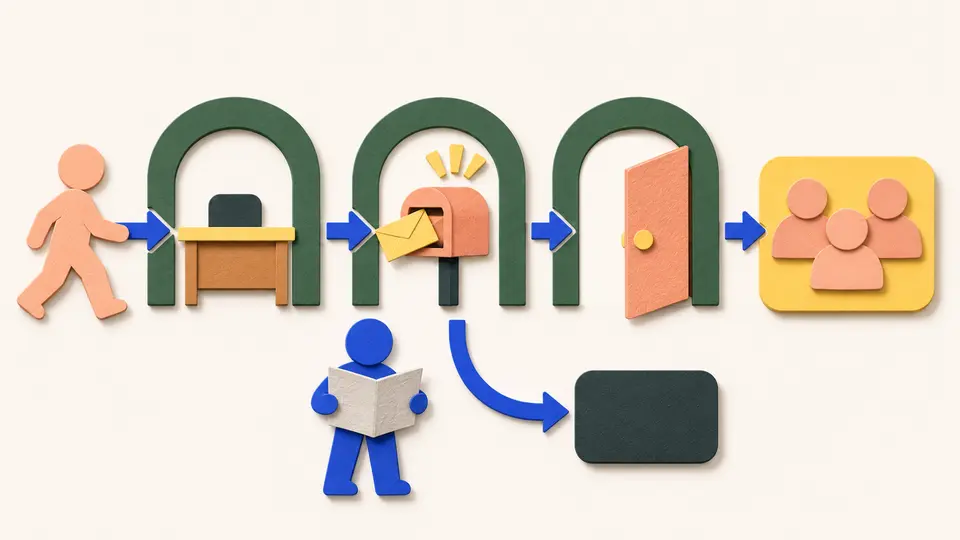
Who counts as unemployed
Three tests decide who counts as unemployed in the US, so the rate can drop when people give up looking, and any one month's change comes with a margin of error.

Why unemployment exists
Vacancies and job seekers exist at the same time, yet some people stay out of work. Separate the unemployment of searching, of mismatched skills and of recessions, and see what each one calls for.

The minimum wage
A legal floor under pay raises earnings for some workers and may cost others hours or jobs. See what the theory predicts, what decades of studies found, and why economists still disagree.
Money & banking
Currency, payments, credit creation, banks, central banks, monetary institutions and financial plumbing.
How banks create money when they lend
Follow a new loan onto a bank's books and a borrower's, then see what happens when the money is spent or repaid and what stops banks from creating it without limit.
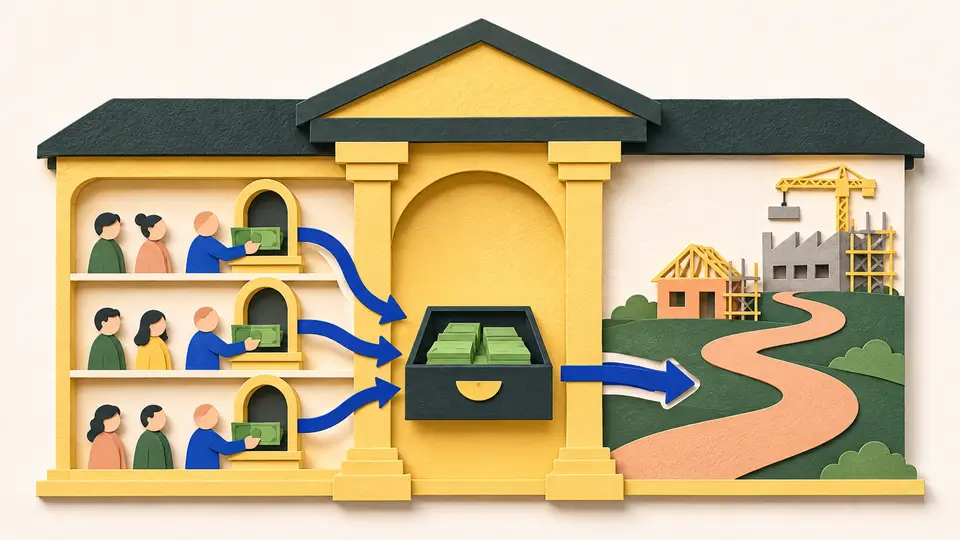
What stops a bank run
A rush of withdrawals can bring down a bank whether or not the rumor behind it is true, and deposit insurance removes the reason to run, though that protection has costs of its own.

What money is
Shells, coins, banknotes and numbers in a bank's computer have all been money. See what jobs money does, why paper with no backing is accepted, and what makes a currency trusted.
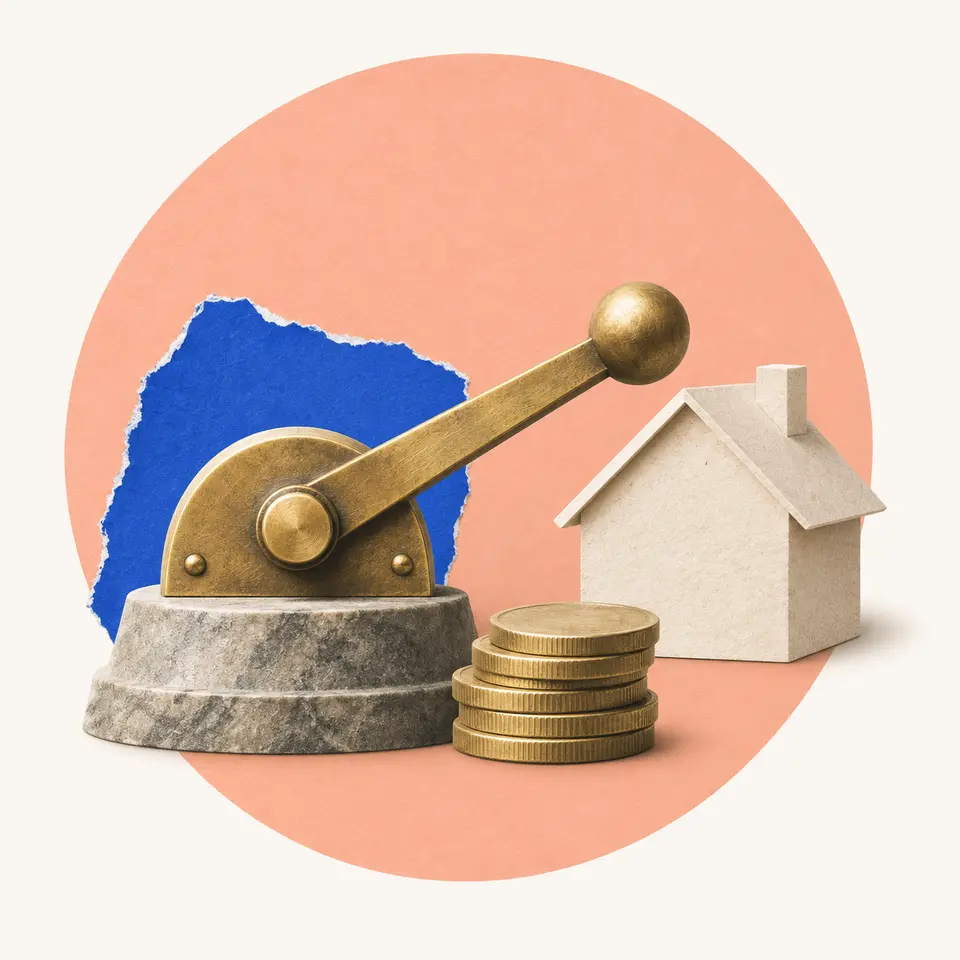
Central banks and interest rates
A central bank sets the price of borrowing for a whole economy. See how the Fed, the ECB and the Bank of England move rates, why politicians are kept off the lever, and what QE did.
Growth, inflation & crises
Economic growth, prices over time, business cycles, recessions, crises and economic stabilization concepts.

Inflation and purchasing power
Read price headlines by separating the level of prices, their rate of change, and your own spending basket.
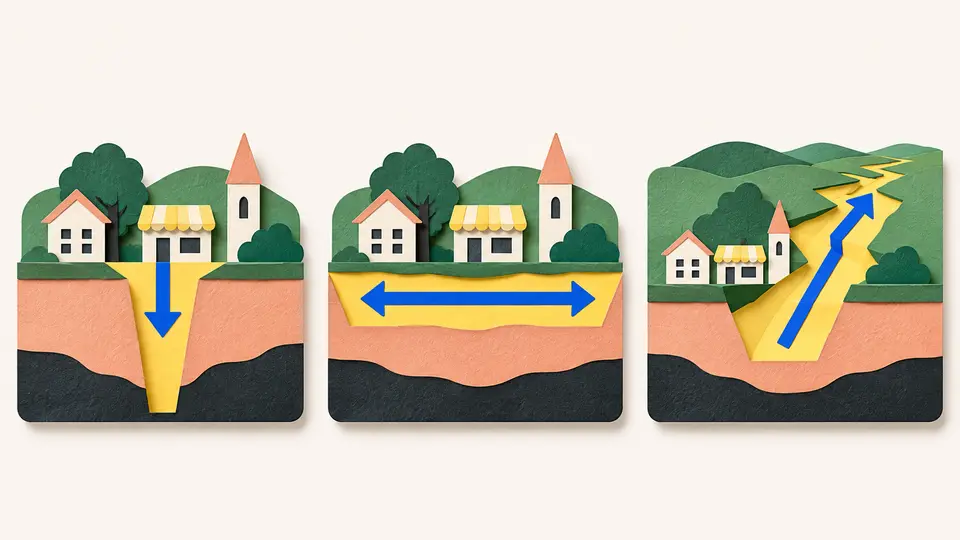
Who calls a recession
US recession dates come from a committee at the National Bureau of Economic Research, and its verdict arrives months after the economy has turned.

GDP and what it measures
One number ranks economies and marks recessions. See what gross domestic product adds up, why growth figures strip out prices and divide by people, and what the number leaves out about how people live.
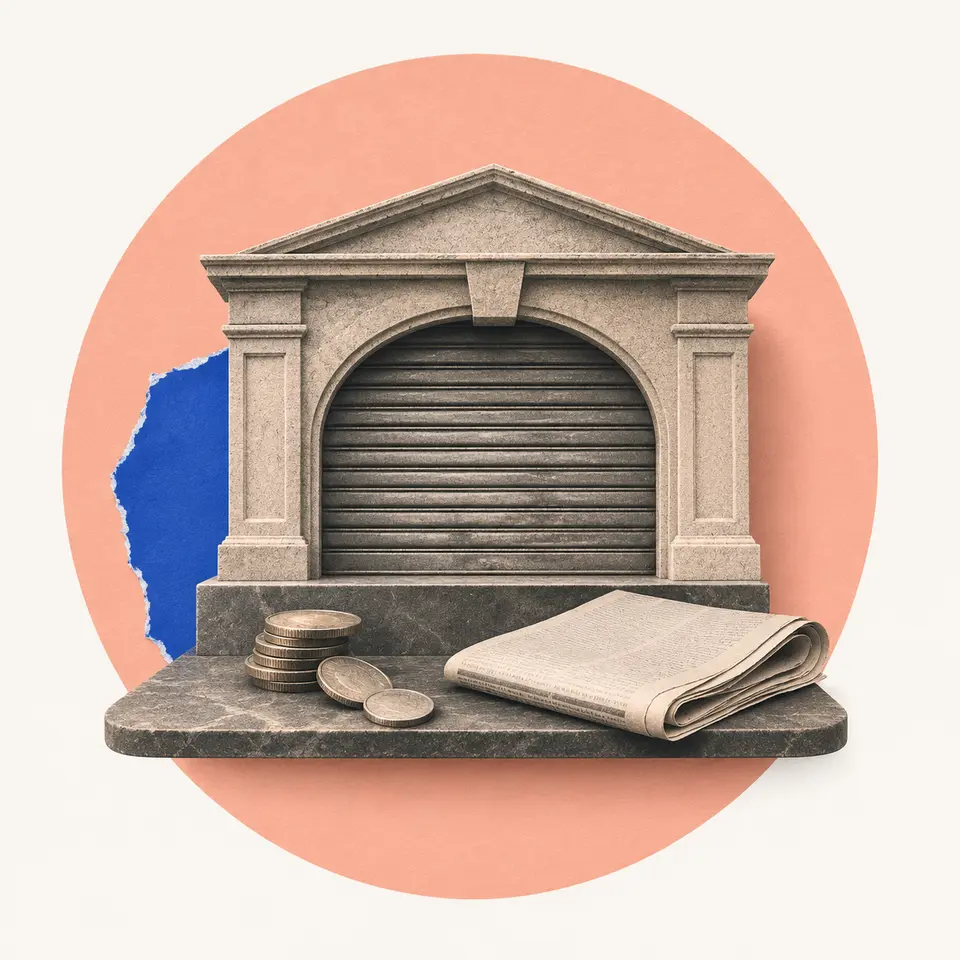
The Great Depression
Between 1929 and 1933 US output fell by about a quarter and one worker in four had no job. See how a stock market crash became a worldwide slump, what ended it, and why economists still argue over its cause.
Trade & development
International exchange, global production, development, economic geography and differences in economic opportunity.

Comparative advantage and its limits
Use a two-person example to find the gains from specialization, then ask who gets them and what the model leaves out.
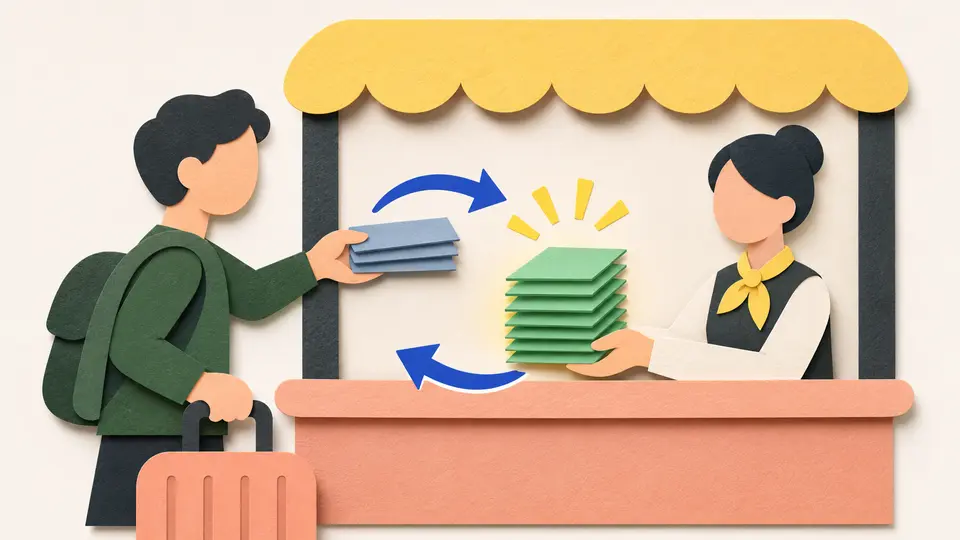
When a currency gets stronger
A stronger currency helps some people and hurts others, and market exchange rates understate what incomes buy in poorer countries.
Globalization
Goods, money and people now cross borders on a scale unknown two centuries ago. See what drove two waves of globalization, who gained and lost, how the first wave collapsed, and why trade's rise has stalled.

Why some countries are rich and others poor
Output per person in the richest countries is dozens of times that in the poorest. See how recent the gap is, and weigh institutions, geography and colonial history against the evidence.
Taxes, public spending & inequality
Public goods, taxation, government budgets, redistribution and the distribution of income and wealth.
Who bears the cost of a tax?
See why the person who sends a tax to the government often isn't the one who bears it, and how buyers' and sellers' room to adjust decides who does.
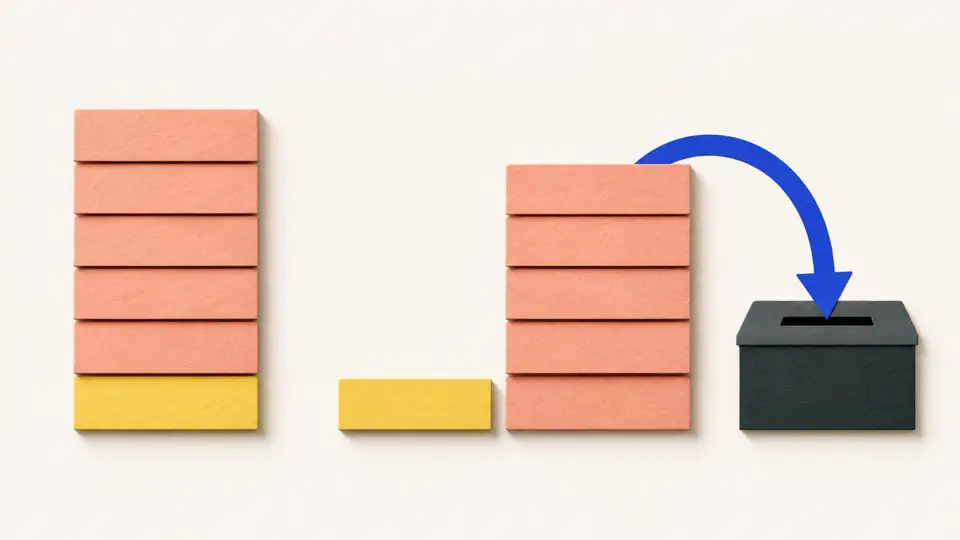
How a progressive tax works
Tax brackets charge each layer of income its own rate, and credits, payroll taxes and sales taxes shift who pays what.
Income and wealth inequality
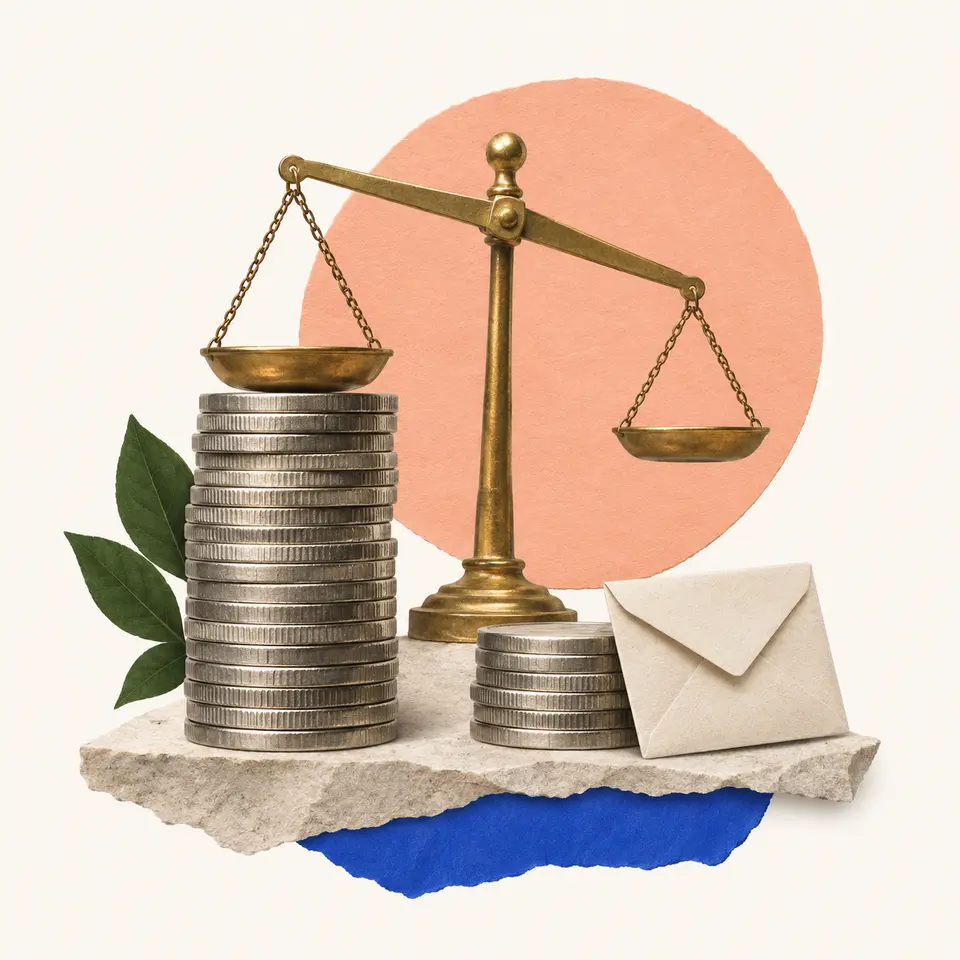
Income is what you earn in a year and wealth is what you own. See how inequality is measured, how it moved over a century, and why countries differ.

Public goods and free riders
Lighthouses, defense and a stable climate help people whether or not they pay. See why markets supply too little of such goods, how taxes fix it, and where the line falls.
Personal finance
Budgeting, saving, borrowing, insurance, mortgages, pensions and household financial decision-making.
Compound interest, debt, and time
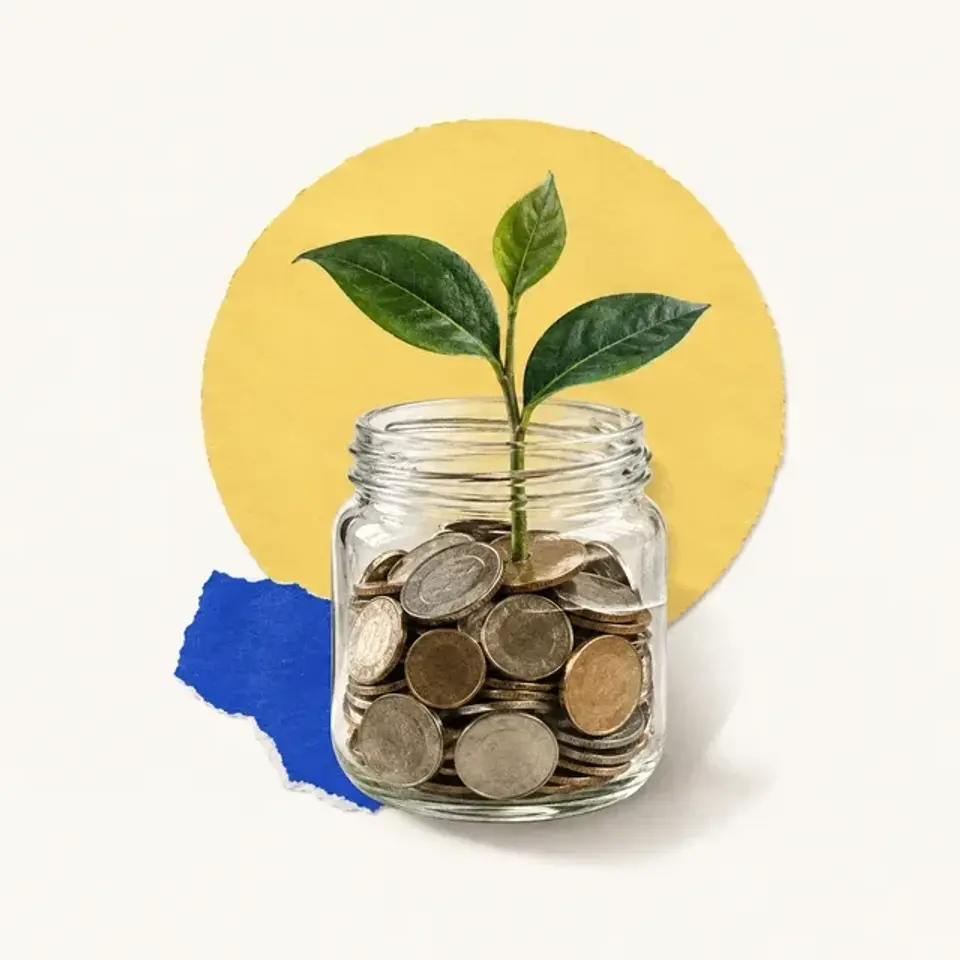
See why interest that earns interest starts slowly and ends big, how payments and fees change a balance, and why a growth chart is only as good as its assumptions.
How insurance pools risk
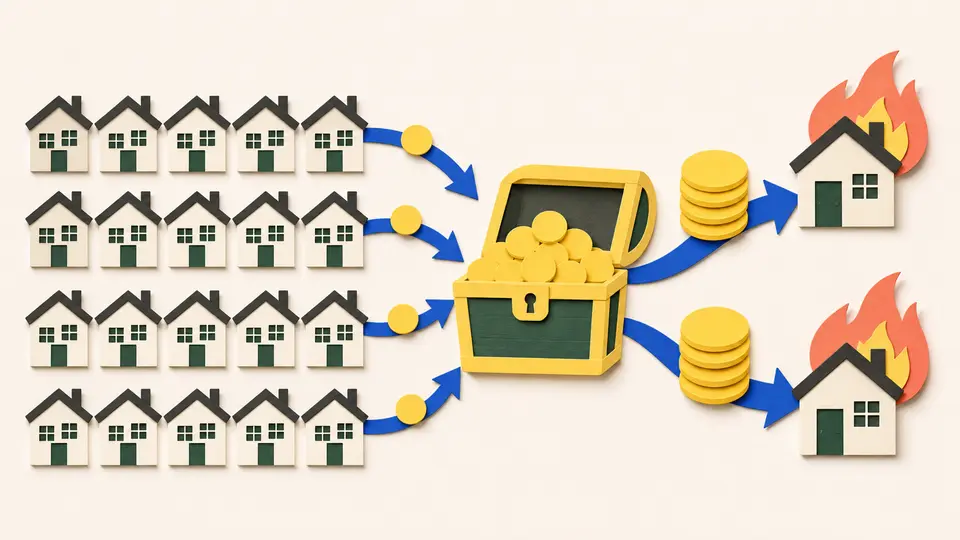
Insurance turns a large, uncertain loss into a small, certain premium, though an insured patient still pays part of the bill and hidden risk can unravel a pool.

Household budgeting
A budget is a plan for money before you spend it. Learn to sort what comes in and goes out, plan for the bills that come once a year, and set up saving that doesn't depend on willpower.
How a mortgage works
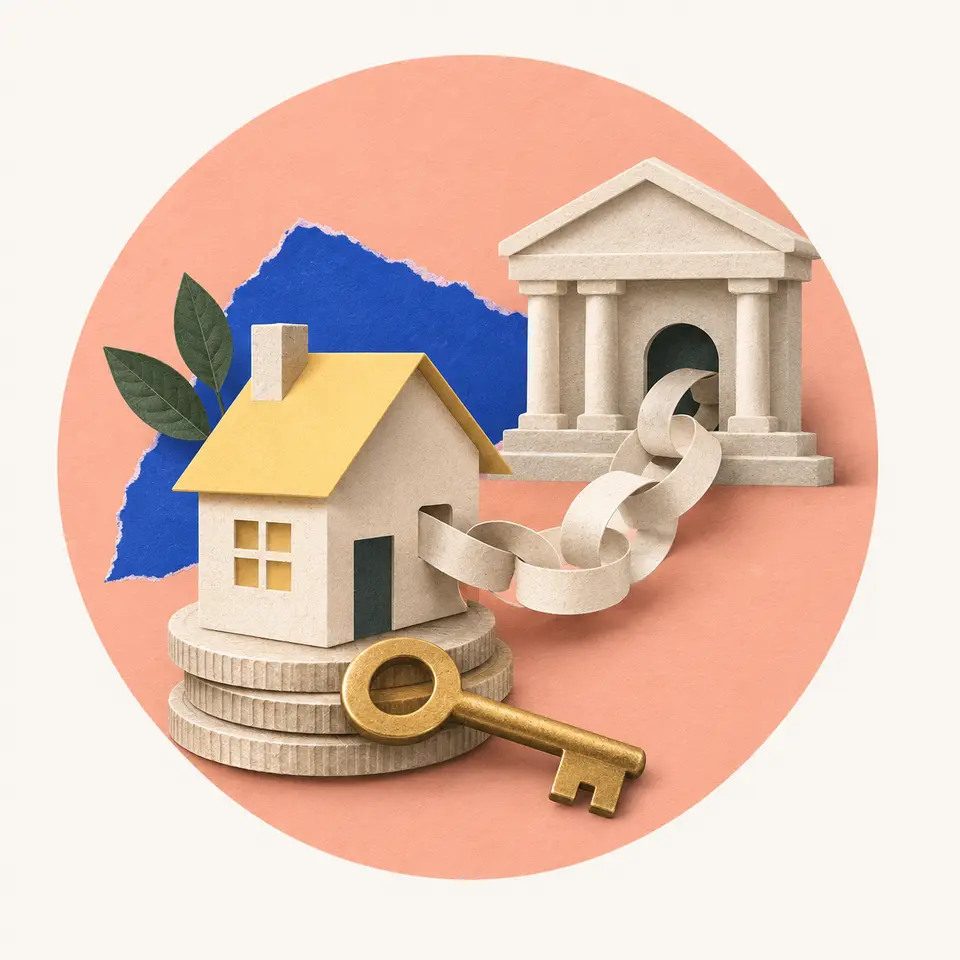
A mortgage is a loan secured on a home and repaid over decades. See why early payments are mostly interest, who carries the risk when rates move, and what happens when prices fall or payments stop.
Investing & financial markets
Stocks, bonds, funds, market structure, diversification, valuation, speculation and investment risk.

Diversification and investment risk
See why spreading company-specific risk is different from removing the uncertainty of investing.
Why bond prices fall when rates rise
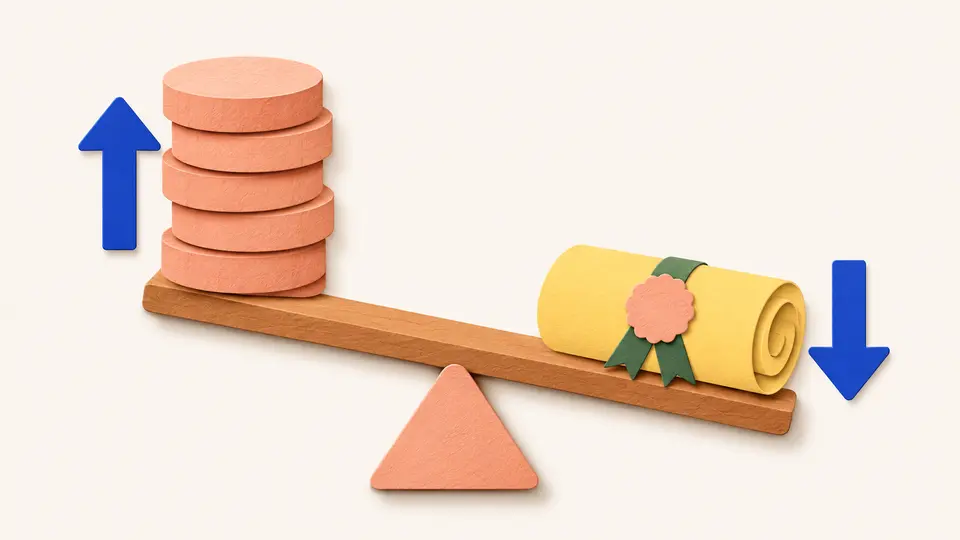
When interest rates rise, a fixed-rate bond loses market value, but an owner who holds it to maturity still collects what it promised if the issuer pays.

Stocks and shares
A share is a slice of a company's ownership and its future profits. See what a shareholder gets, why share prices move, and what stocks have paid over the long run.
Index funds, ETFs and fees
An index fund buys a whole market instead of picking winners. See how it works, why most stock pickers trail it after costs, and what a small yearly fee does over decades.
Guided paths in Economics & Money
- From one sale to a whole economyThis route connects your own money to the economy around it, starting with what one sale leaves out and widening step by step to a country's currency. 8 topics.
- Prices, money and riskStart at a market stall, then follow money through wages, banks, inflation, trade, taxes, debt and investing. 8 topics.