Everyday Systems
Learn how everyday things work
Reveal the mechanisms behind food, homes, transport, energy, recreation, and the objects used in everyday life.
Food & cooking
Preparation, cooking methods, preservation, storage, food handling and kitchen processes.
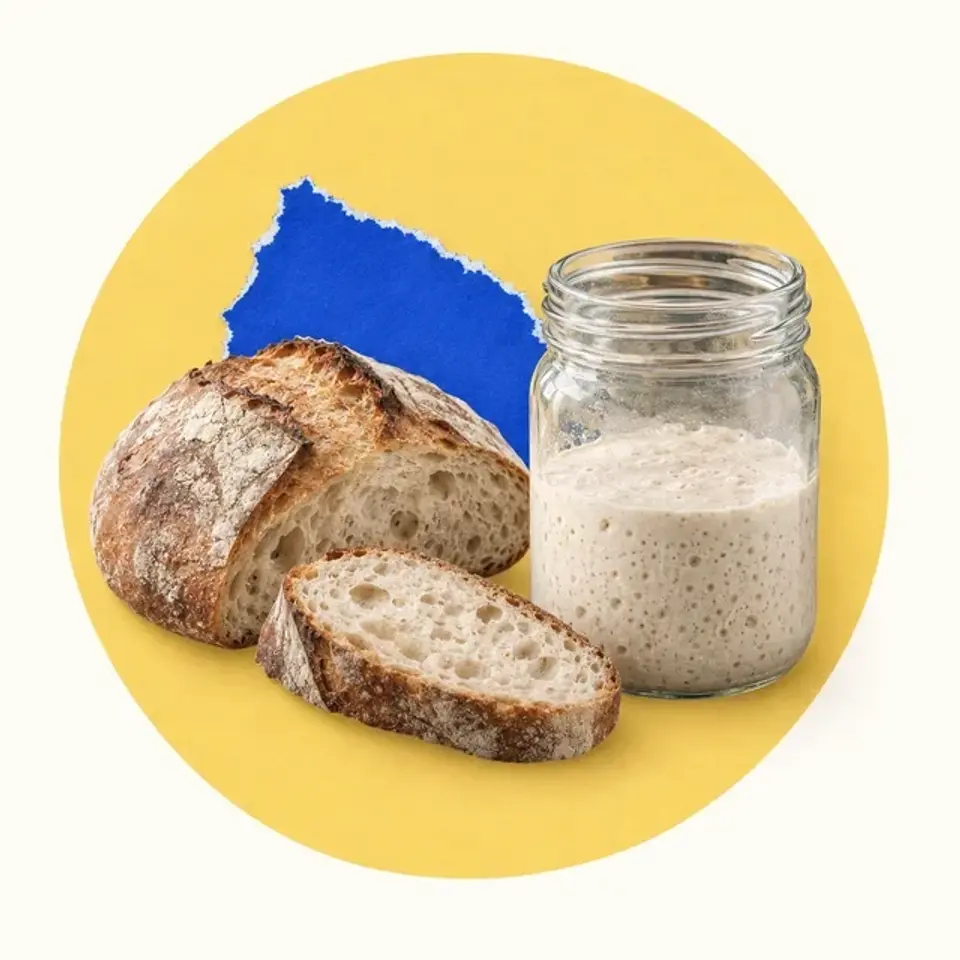
Sourdough starters and fermentation
A jar of flour and water becomes a living community. Meet the microbes that make the gas and the acid, see why dough can hold their bubbles, and find out what 500 starters showed about where a starter comes from.
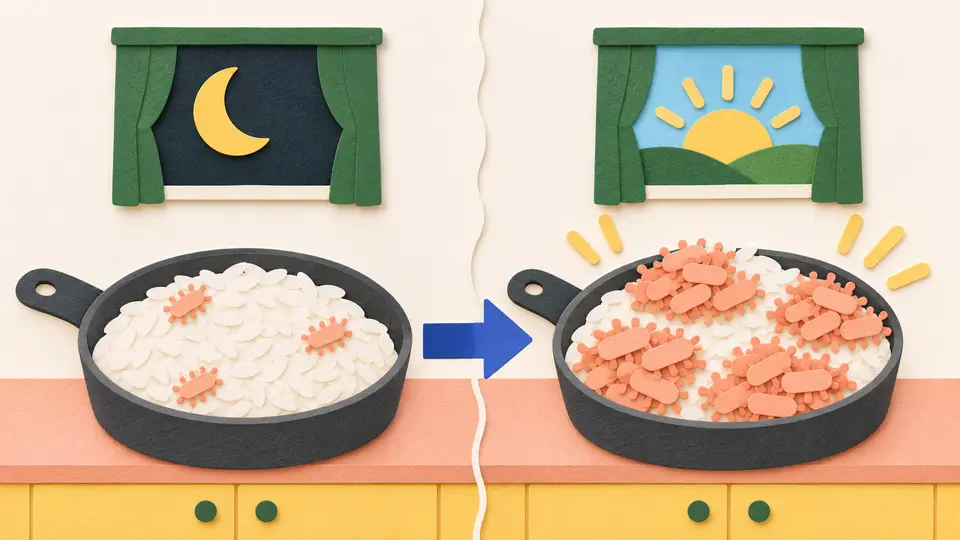
Why food spoils and how to slow it
See food going bad as microbes growing, at a pace set by conditions you can change. Find out which foods carry which hazards, why milk sours in a working fridge, and why canning needs more than boiling water.
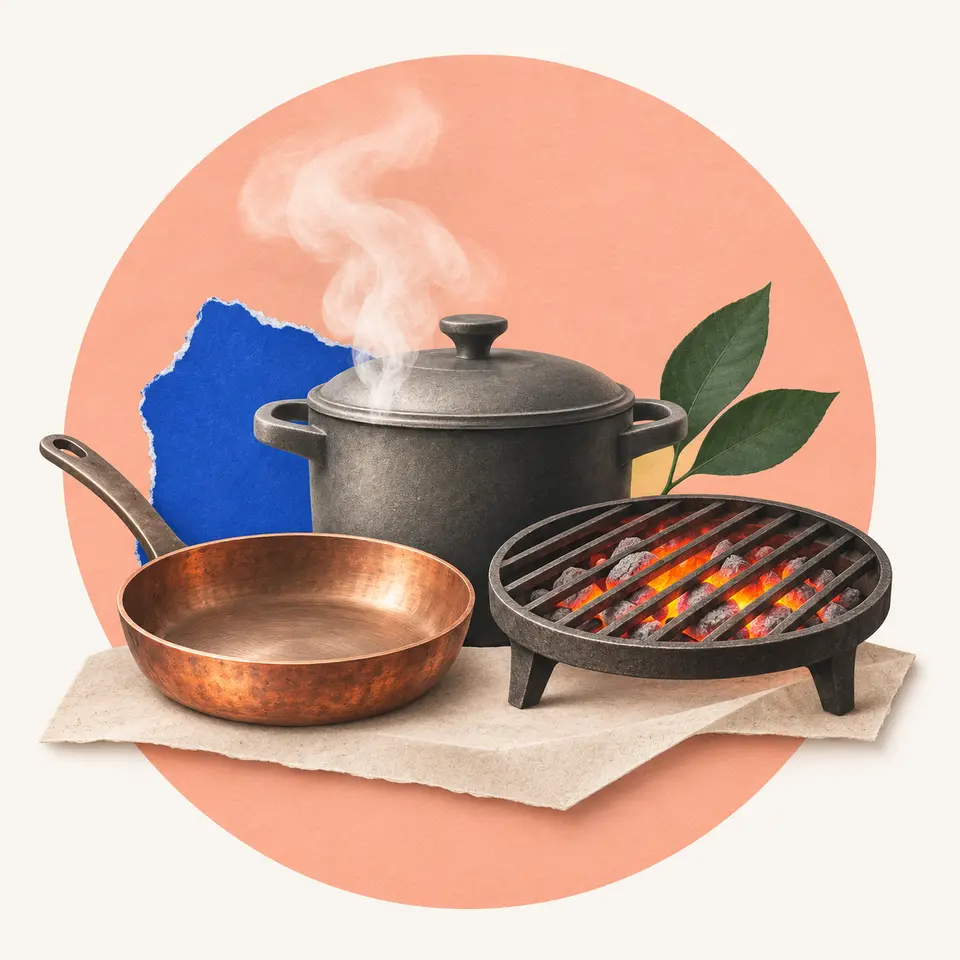
How heat cooks food
Pans, pots, ovens and grills move heat into food in different ways. See why water heats faster than hotter air, why boiled food never browns, and why a mountain or a sealed lid changes the cooking time.

How bread is made
Flour, water, yeast and salt become a loaf through kneading, rising and baking. See what gluten does, what yeast eats, how the oven sets the crumb and browns the crust, and how flatbreads manage without a rise.
Homes & utilities
Heating, cooling, household water, sanitation, domestic services, maintenance and the operation of homes.
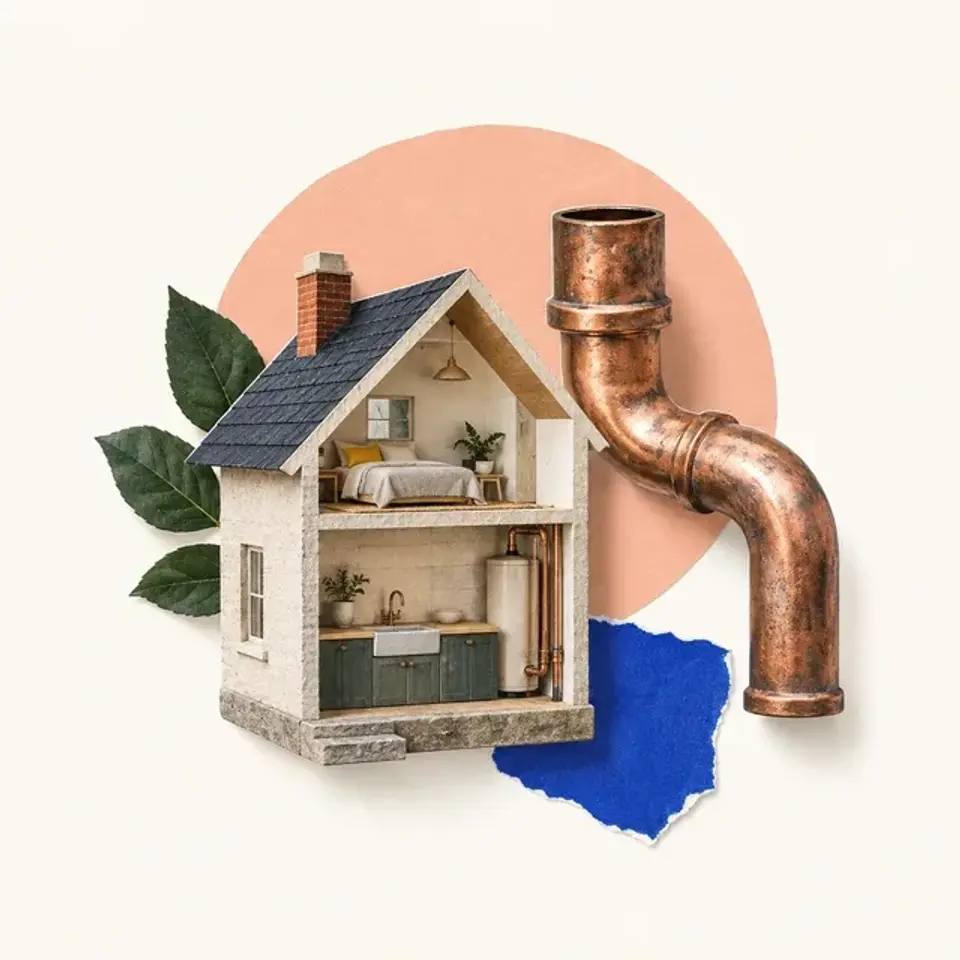
Where tap water comes from and where it goes
Follow water to your tap and away down the drain. See why protecting the source, treating drinking water and treating sewage are different jobs.
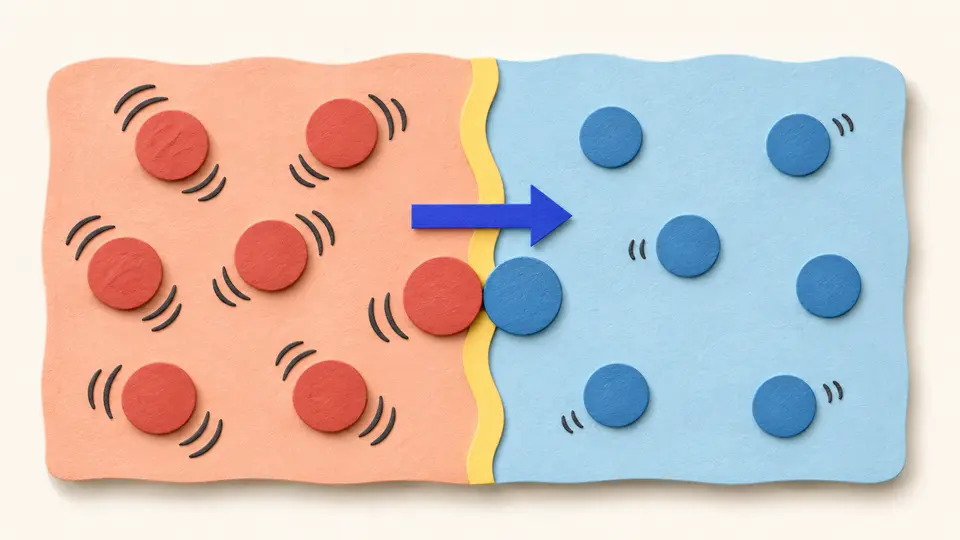
How a home gains and loses heat
Tell conduction, convection and radiation apart, then use them to explain a cold floor, a drafty room, a leaky house and a glowing stove element.
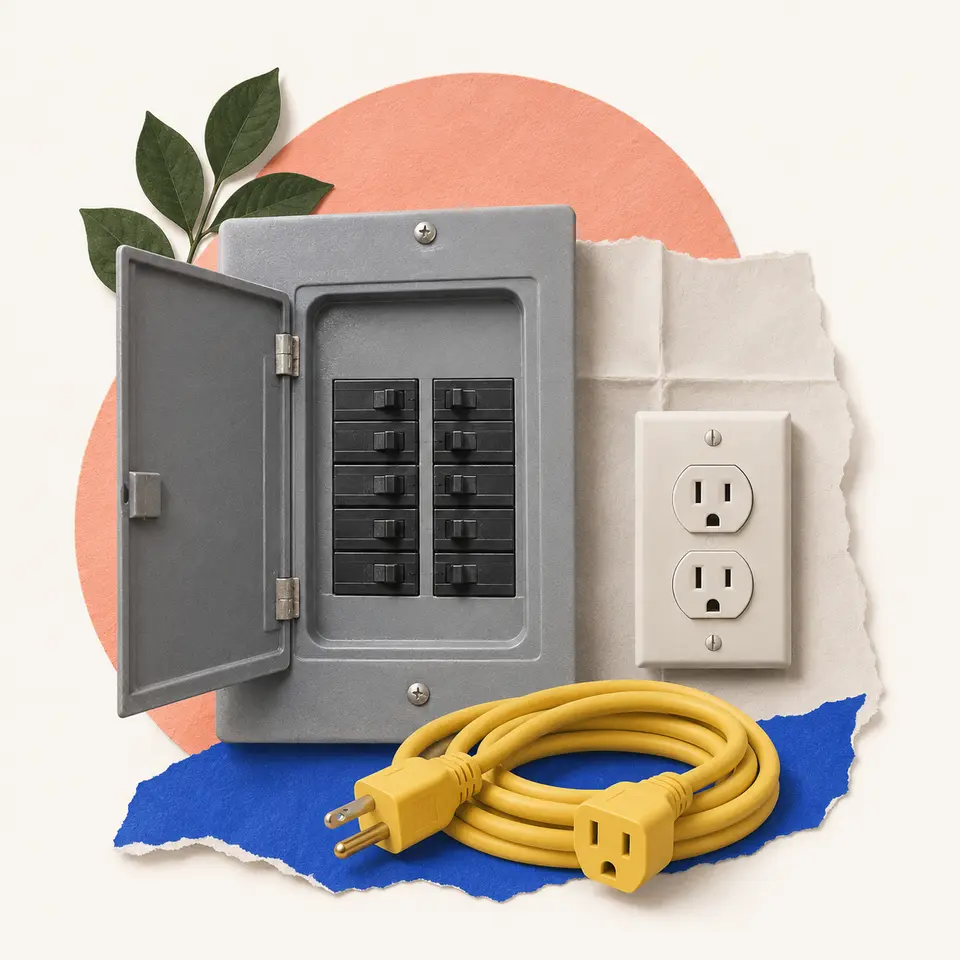
Electricity in the home
Follow electricity from the street through the meter and breaker panel to a socket. See why a home is split into circuits, which device catches which fault and why plugs and voltages differ between countries.
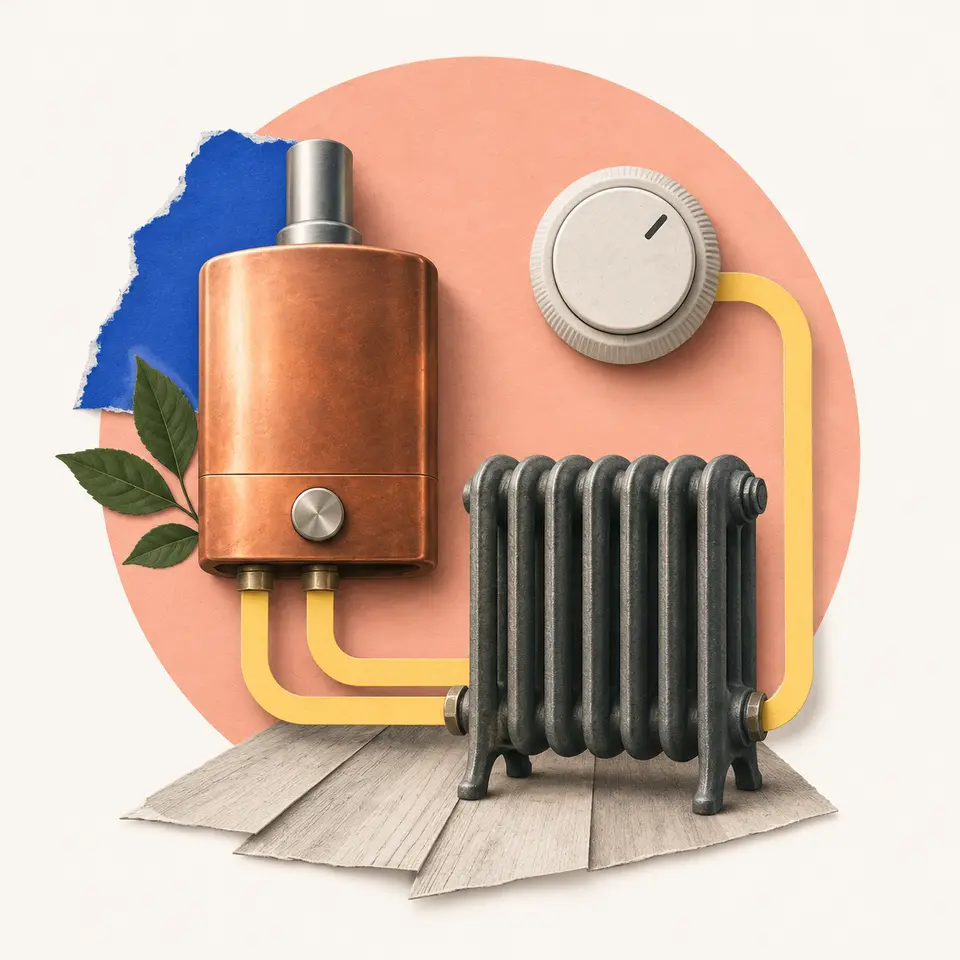
How homes are heated
Boilers, furnaces, heat pumps, radiators, heated floors and city-wide heat pipes all warm rooms in different ways. See how each makes and moves heat, and what a thermostat really controls.
Transport & delivery
Everyday travel, public transport, postal systems, delivery networks and the movement of goods.
The journey of a parcel
Follow a parcel from the seller to your door, learn what each tracking status does and does not prove, and see how the Postal Service checks every box against its paperwork.
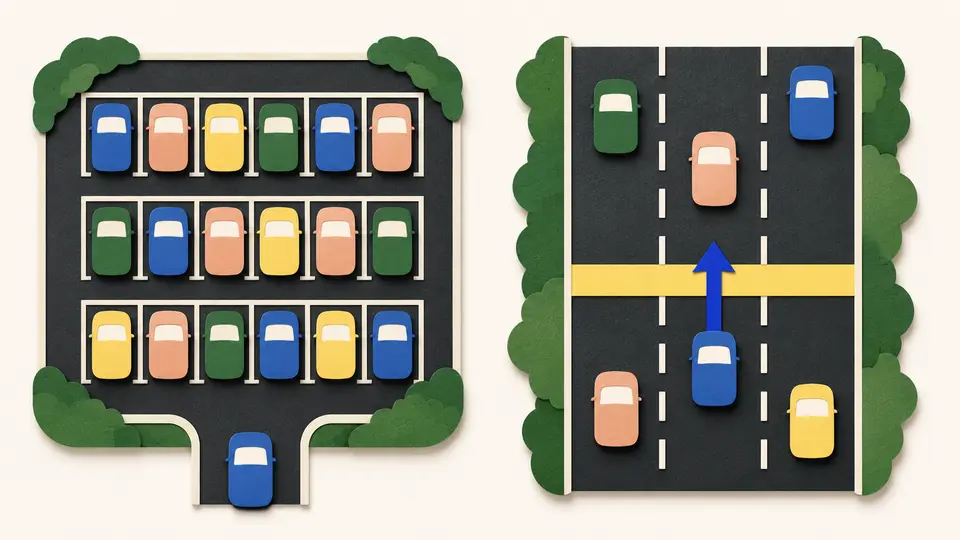
Why traffic jams form
See what a road's capacity measures, why a single slowdown travels backward as a wave and why merging does more damage to traffic than almost anything else.
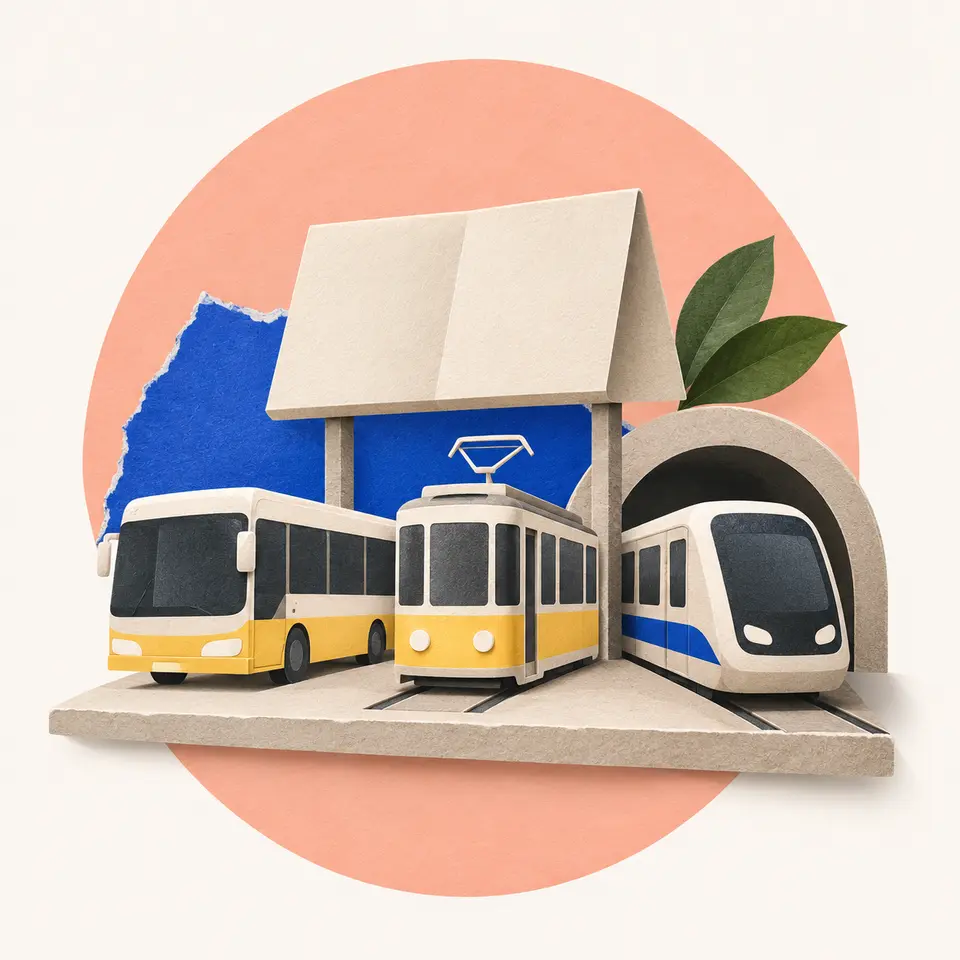
How public transport works
Buses, trams and metros run as networks of lines, stops and timetables. See why frequency matters more than top speed, why buses arrive in bunches and how fares and subsidies pay for the service.

How an airport works
An airport turns arriving travelers and suitcases into full planes that leave on time. Follow a passenger and a bag to the gate, see what a turnaround involves and why one late plane delays others.
Energy, waste & recycling
Everyday resource use, energy flows, waste collection, reuse, recycling and disposal.
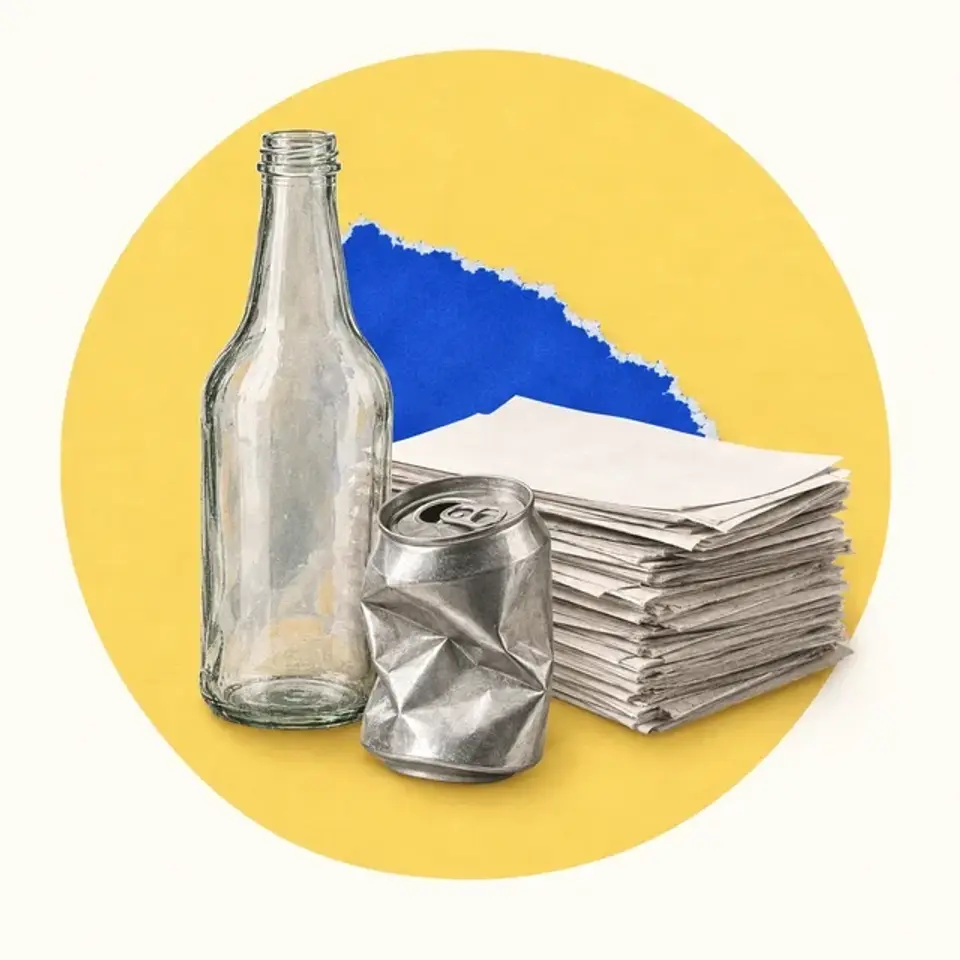
What happens after you put something in recycling
Follow an item from the bin through sorting to a new product. See why a buyer decides whether anything gets recycled, what labels really claim and why a hopeful guess at the bin does harm.
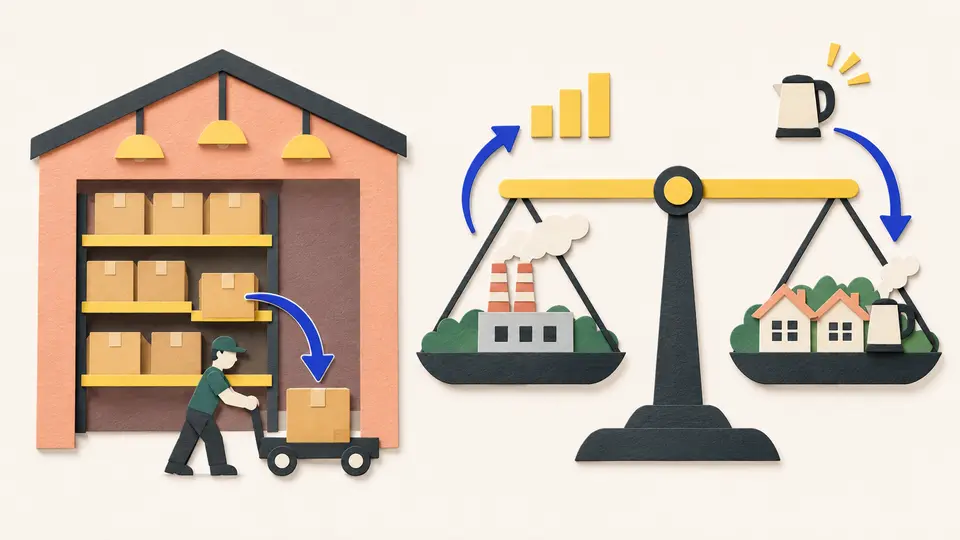
Keeping the electricity grid in balance
Electricity is used the instant it is made. See who keeps supply matched to demand, why power travels at high voltage and why the United States runs on three grids that barely share.
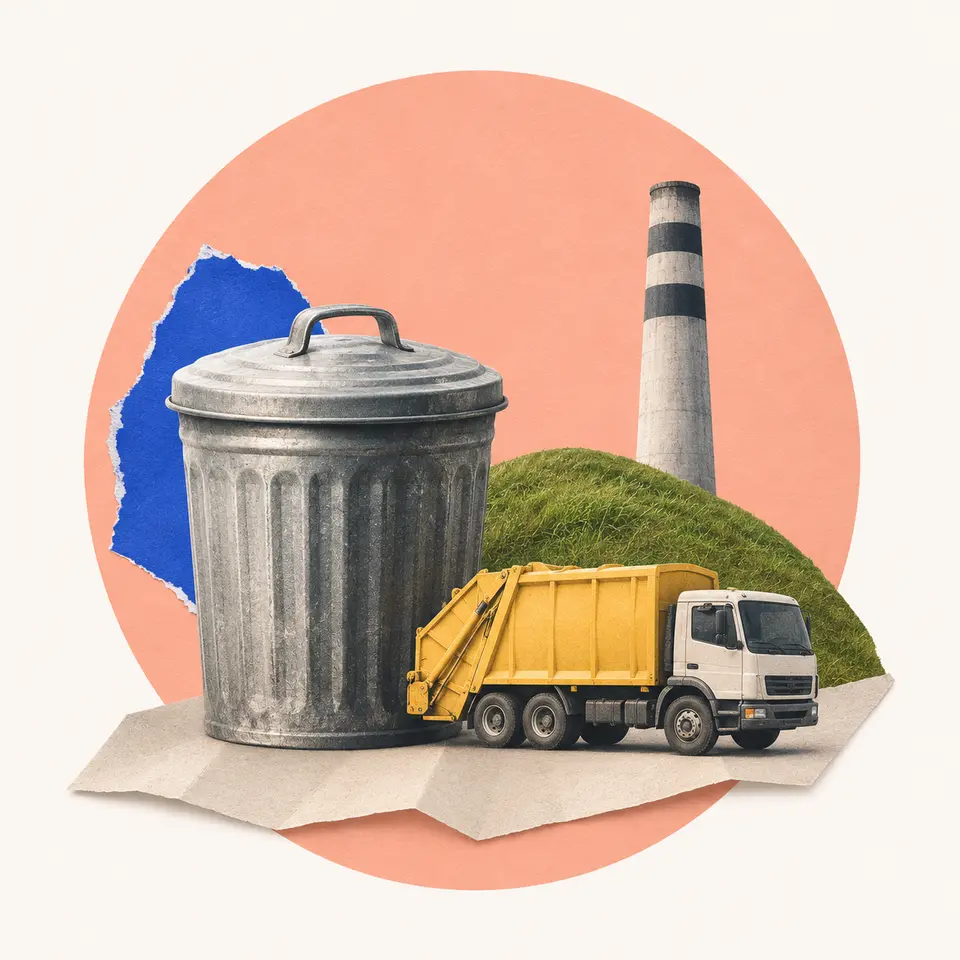
Where household trash goes
After the truck leaves, trash is buried, burned or dumped. See how a modern landfill is built, what an incinerator does with its heat and ash and why the mix differs so much between countries.
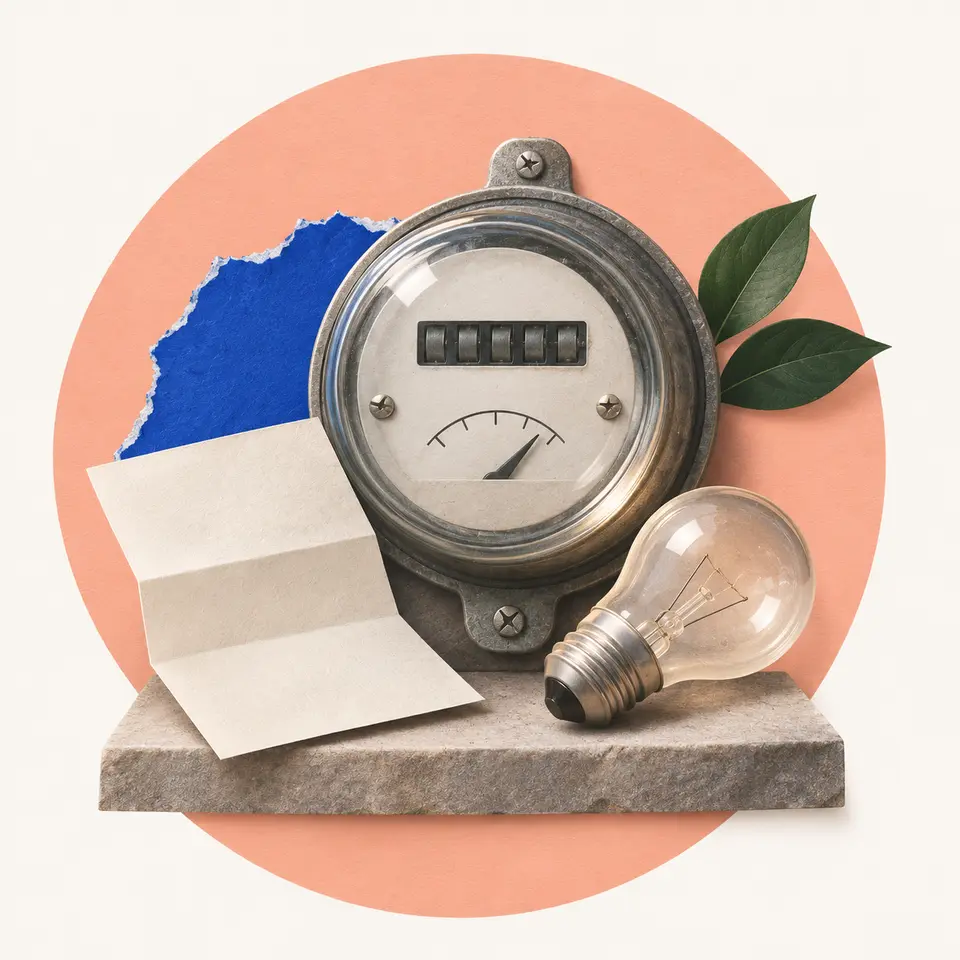
Energy bills, meters and tariffs
An energy bill charges for the units you used and for being connected at all. See how a meter counts, what the fixed charge pays for, why a unit can cost more at six in the evening and where the money goes.
Objects & appliances
Household devices, tools, packaging, clothing, consumer materials and how familiar products operate.
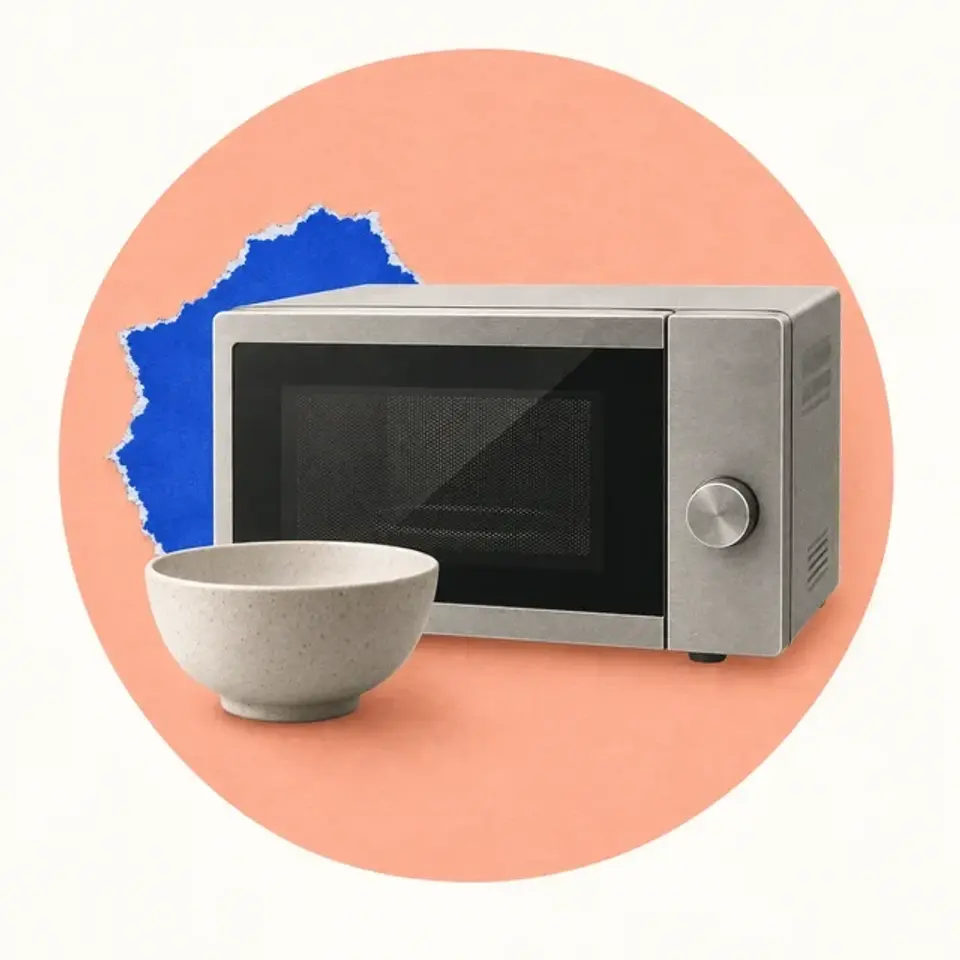
Inside a microwave oven
Follow microwaves from a radar tube into your dinner, see why the middle stays cold, and find out why the leftovers aren't radioactive but a calm cup of water can still erupt.
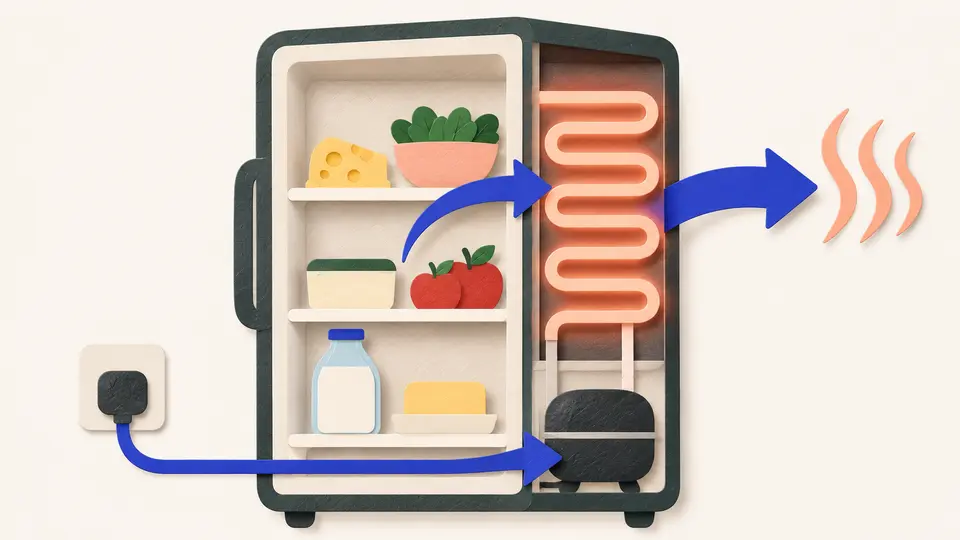
How a refrigerator moves heat
A fridge doesn't make cold. It pumps heat out of your food and into your kitchen, and the same machine turned around can heat a house. See how the loop works, how it's scored and when it pays.
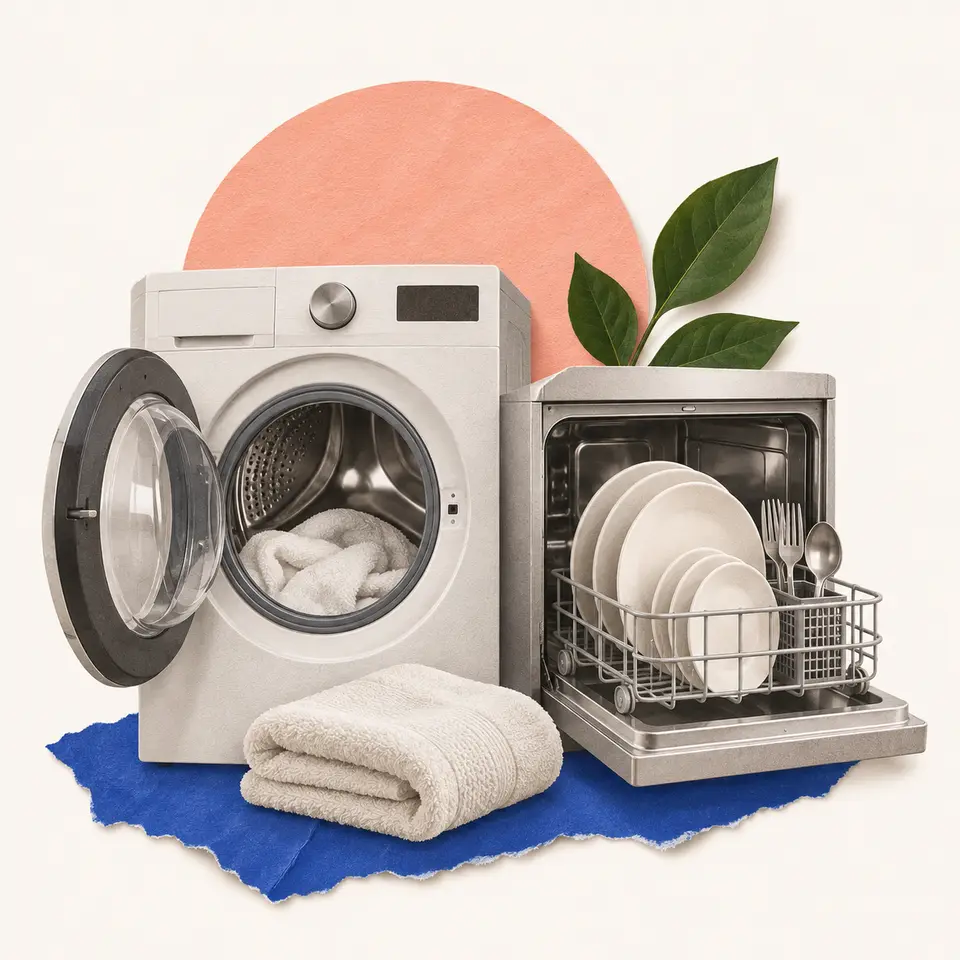
Washing machines and dishwashers
Both machines clean with water, heat, detergent, movement and time. Follow a cycle from fill to spin, see why eco programs take longer but use less energy and how the machines changed housework.
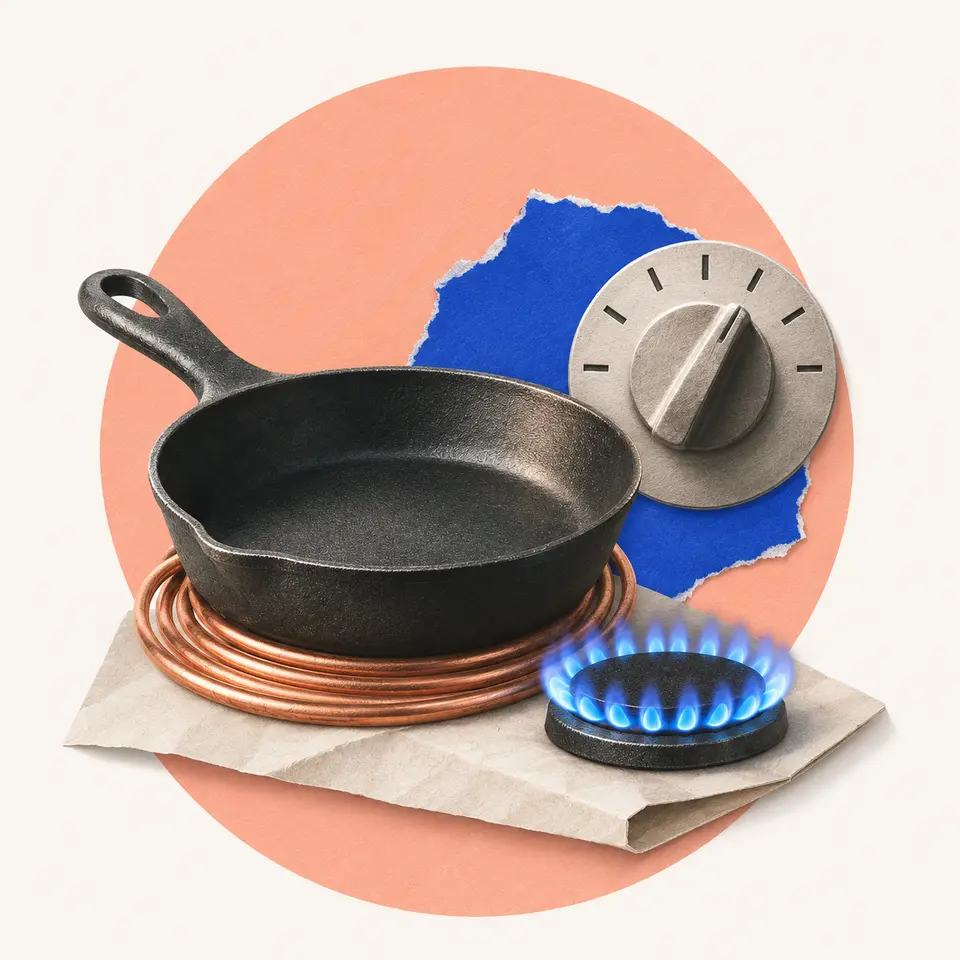
Stoves, ovens and induction cooktops
A gas flame, a glowing element and an induction coil all heat a pan, but only induction makes the pan heat itself. See how each works, why an oven swings around its setting and what a pan's metal changes.
Sports & games
Rules, scoring, equipment, competition formats, play and recreational systems.

Scoring systems and the strategies they reward
Change a scoring rule and the best choice changes with it. See why soccer made a win worth three points, how a tennis player can lose with more points, and when the risky shot is the right one.
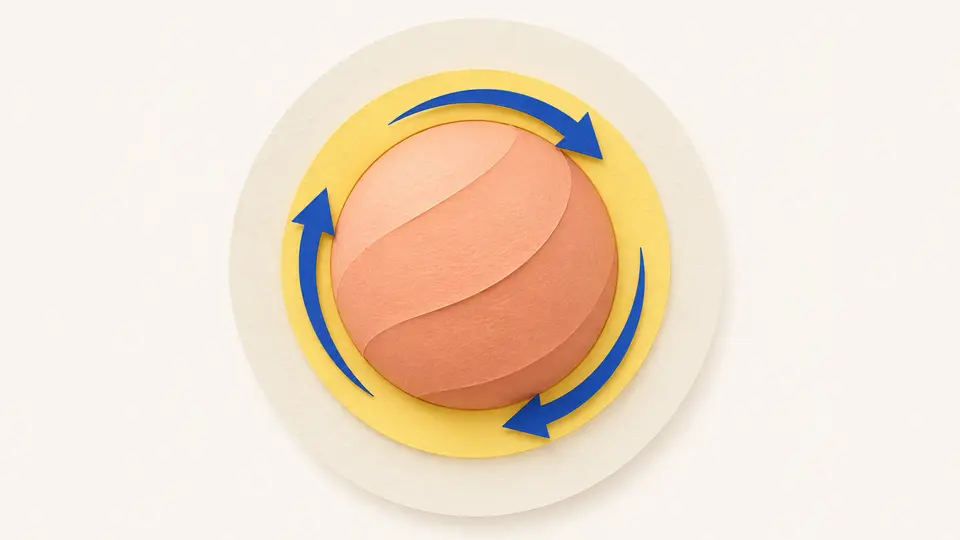
Why a spinning ball curves
Spin drags air around a ball, the air pushes back and the ball's path bends. See which way it goes, what sets the size of the push and why a real ball never quite matches the formula.

Football (soccer)
Two teams, one ball and almost no hands. Learn the rules that matter, including offside, see how formations and pressing shape a match and how leagues, cups and the World Cup fit together.

The Olympic Games
Every four years thousands of athletes from about 200 teams meet for the summer Games. See where the ancient Games came from, who runs and pays for the modern ones, and how politics and rules shape them.
Shopping & everyday services
Labels, tickets, subscriptions, bookings, service processes and common consumer or public-service interactions.

What a unit price reveals
See through package sizes, discounts and shrinking contents. Compare prices using a common unit, then ask whether the cheaper quantity is actually useful to you.
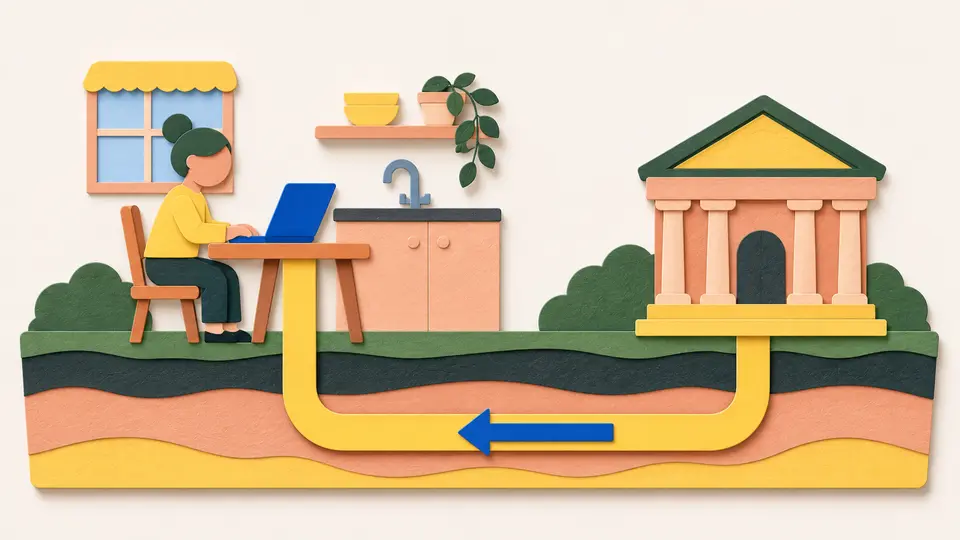
How a payment moves between US banks
Follow a paycheck and a bill through the batch network behind US direct deposits and bill payments, see when the money really moves, and learn what changed when instant payments arrived in 2023.
How a card payment works
Tap a card and four parties and a card network settle up behind the terminal. See who approves the sale, when the money really moves, who pays the fees and how chips and phones cut fraud.

Reading a food label
Learn what a food label must tell you in the US and in the UK and EU, from ingredients and dates to allergens, and what words like "light", "natural" and "organic" do and don't promise.
Guided paths in Everyday Systems
- Follow the systems around youTrace tap water, a microwave, sourdough, a parcel and your recycling, then see how unit prices and scoring rules shape everyday choices. 7 topics.
- How everyday things really workSwap hunches for the mechanisms behind them, from why a tiled floor feels colder than carpet to why a traffic jam forms with no crash, starting in the kitchen and moving outward. 7 topics.