Guided path · Everyday Systems
How everyday things really work
Swap hunches for the mechanisms behind them, from why a tiled floor feels colder than carpet to why a traffic jam forms with no crash, starting in the kitchen and moving outward.
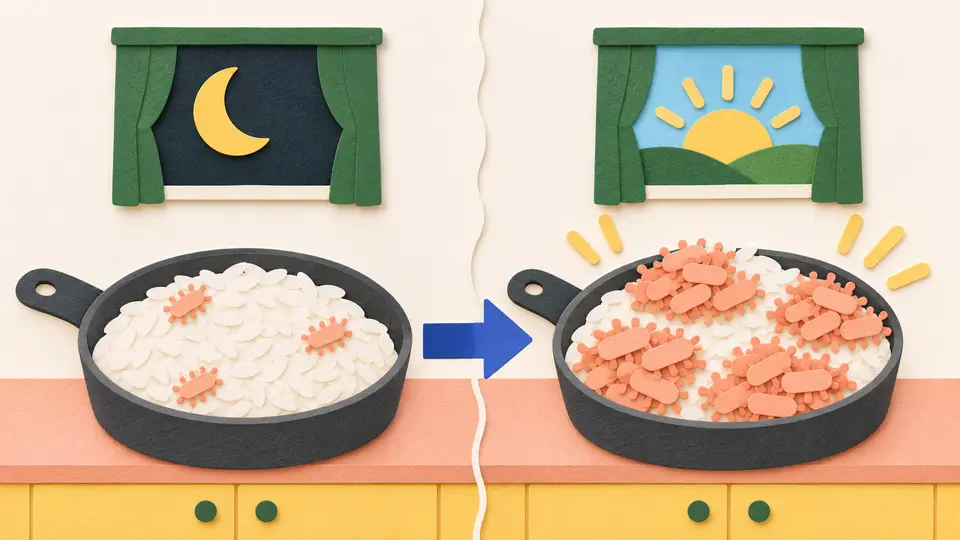
Why food spoils and how to slow it
Begin in the kitchen, where food going bad turns out to be microbes growing, at a pace set by conditions you can change.
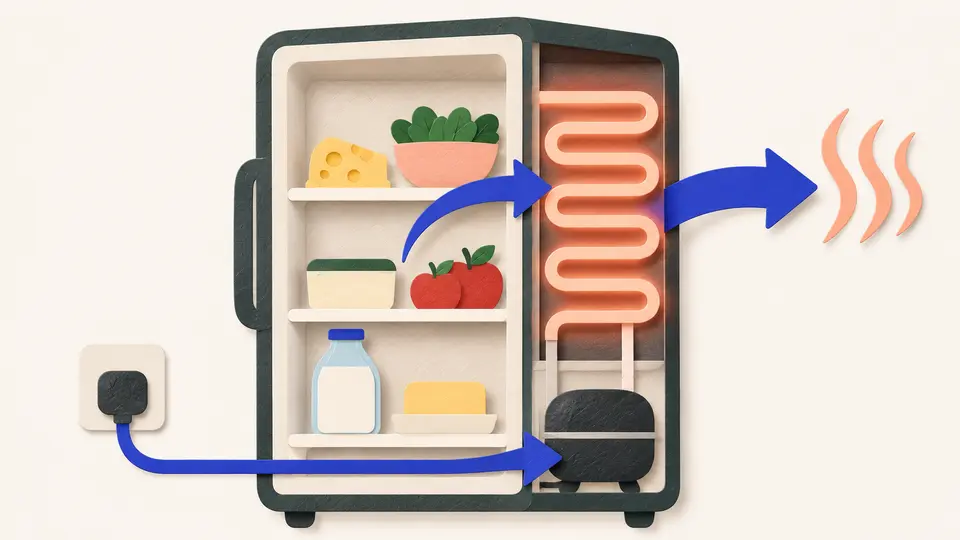
How a refrigerator moves heat
A fridge slows that growth without stopping it. Now look inside the fridge itself and find that nothing in it makes cold.
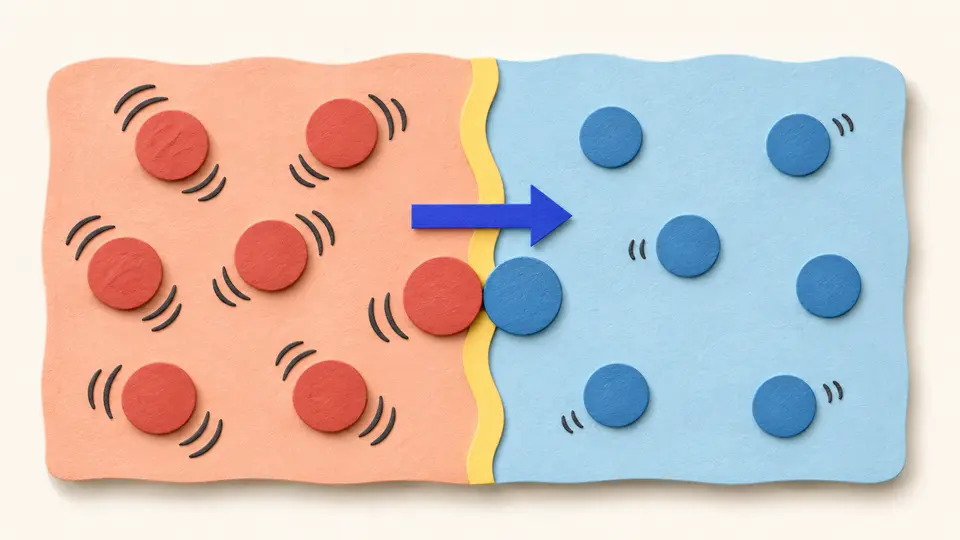
How a home gains and loses heat
The same machine can also heat a home. Step back to the whole house, where heat moves in three ways, each needing something different to work.
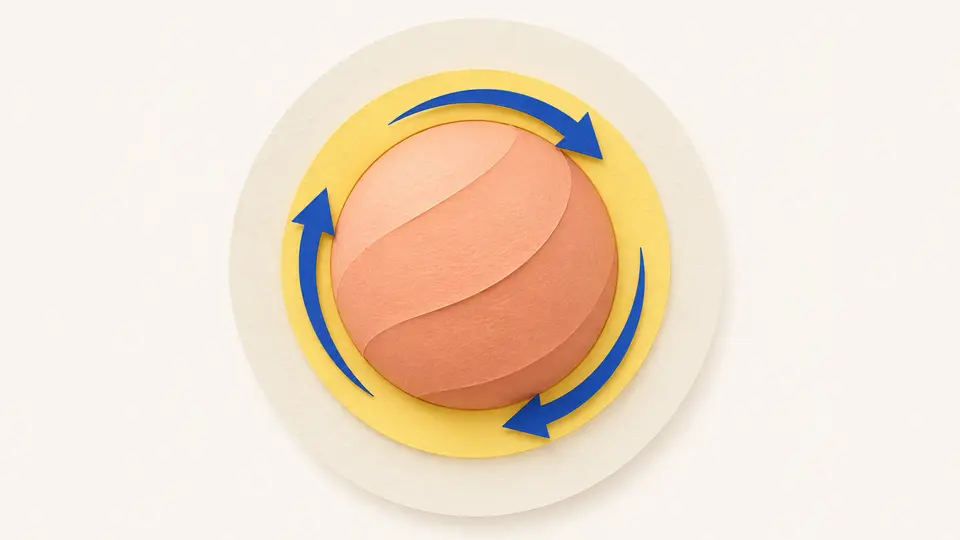
Why a spinning ball curves
In a room, differences in temperature and density set air moving. Head outside, where a spinning ball's surface sets the air around it moving.
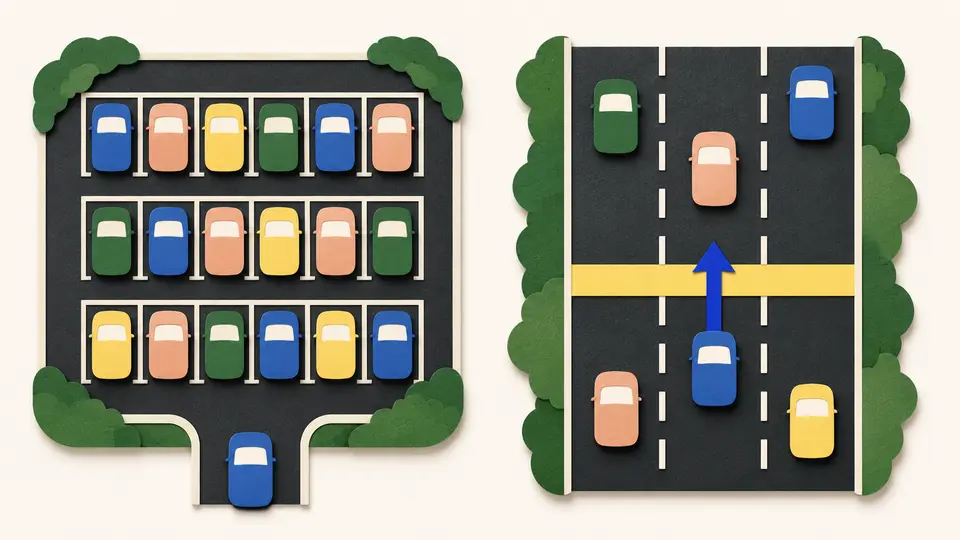
Why traffic jams form
From air flowing past a ball, move to cars flowing along a road, where one slowdown can travel backward as a shock wave.
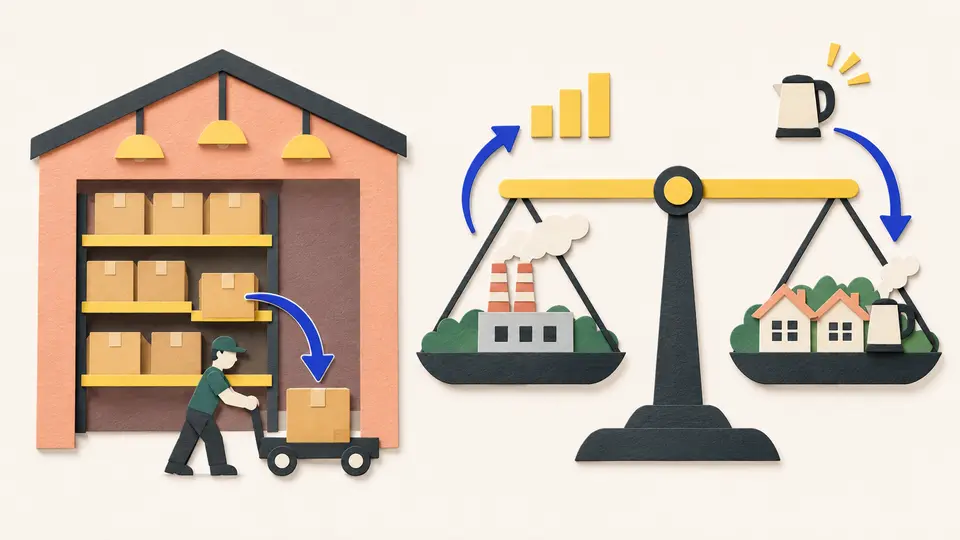
Keeping the electricity grid in balance
Roads jam when traffic exceeds capacity. On the grid, supply and demand have to match second by second, and someone has to keep them in step.
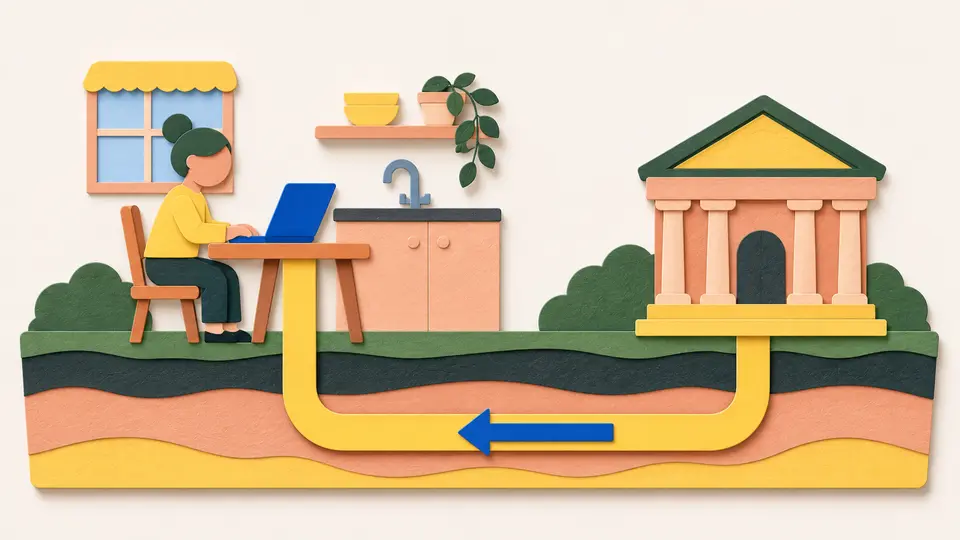
How a payment moves between US banks
Like the grid, an instant payment system never closes. Finish by seeing why it needs a cushion, and when your money actually moves.
More guided paths
- Places, connections and boundariesStart with what every flat map distorts, then follow landscapes, cities, people and borders to a river several countries share. 8 topics.
- Where the obvious answer falls shortEach step takes something that looks simple and shows what's actually behind it. The route runs from air and water to lines on maps, then ends with people. 8 topics.
- The fine print in health numbers and adviceIn each step you read one piece of health guidance closely, starting with numbers from your own body and moving out to the treatments and tests you might be offered. 8 topics.
- Your body and the evidence about itFollow the body's systems at work, then read claims about health without jumping to a diagnosis. 8 topics.