Guided path · Body & Health
The fine print in health numbers and advice
In each step you read one piece of health guidance closely, starting with numbers from your own body and moving out to the treatments and tests you might be offered.
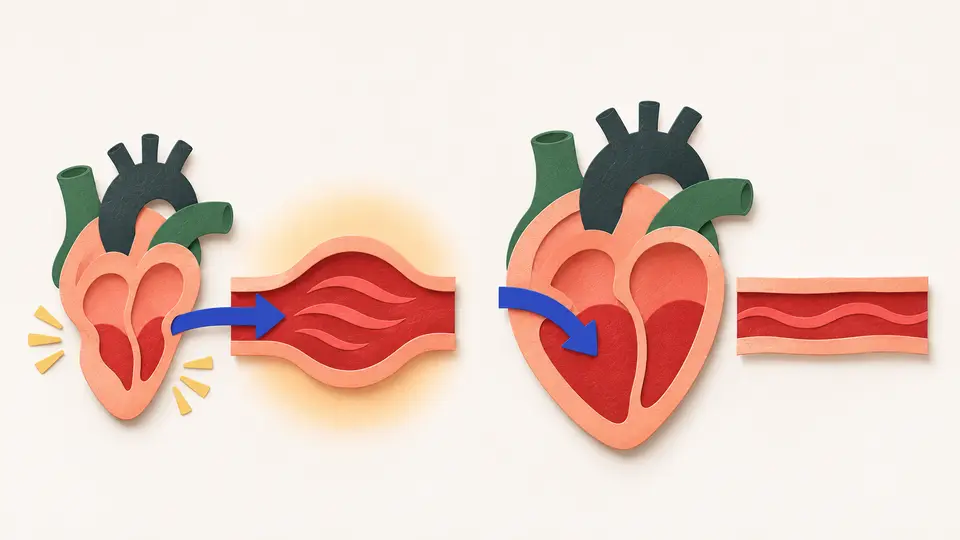
High blood pressure and how to read the numbers
Start with two numbers from a cuff on your arm, and why the word "consistent" in the guidance means one high reading isn't enough.
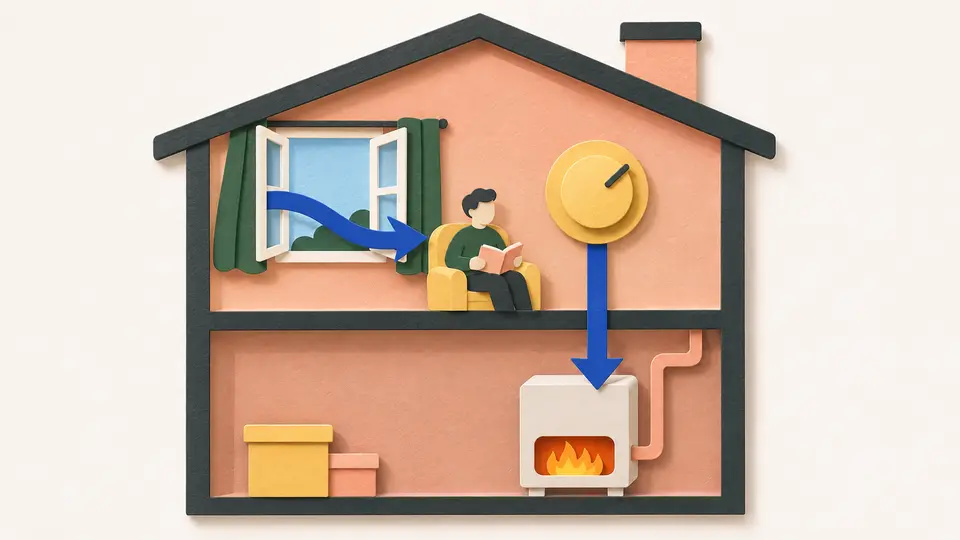
How the thyroid is controlled, and how to read its tests
Next comes a blood test that moves opposite to what it checks, which the loop between two glands explains. Here too, one result is only a snapshot.
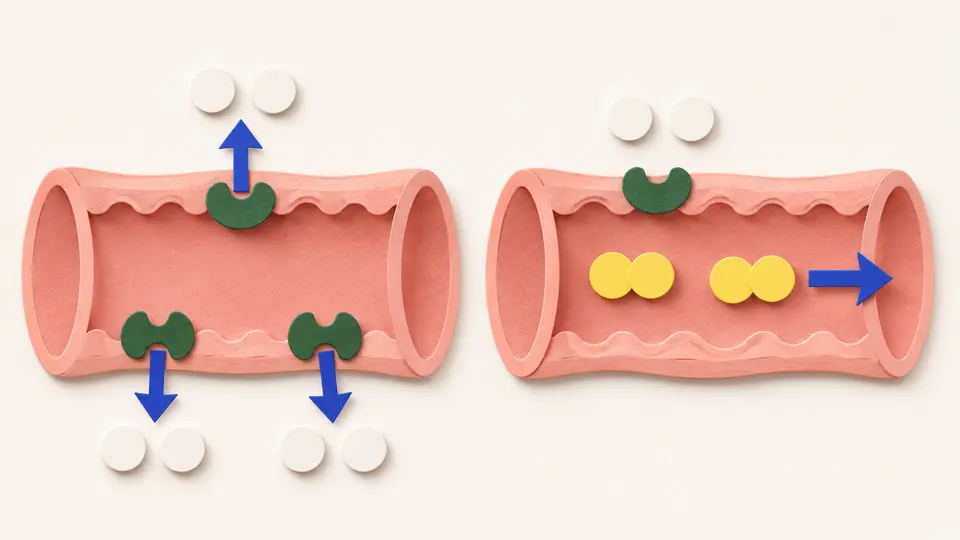
Lactose intolerance versus milk allergy
Mechanism matters again with a glass of milk, where an enzyme shortfall and an immune reaction carry different stakes.
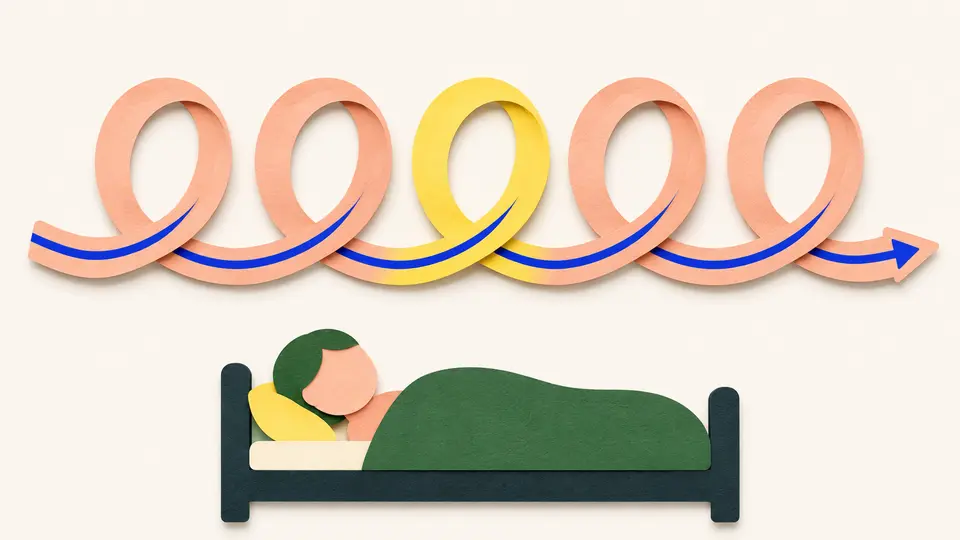
Sleep stages and what losing sleep costs
Two reactions to milk turned out to be different problems. Sleep has lookalikes too, and your own judgment is a poor test of whether you're sleep deficient.
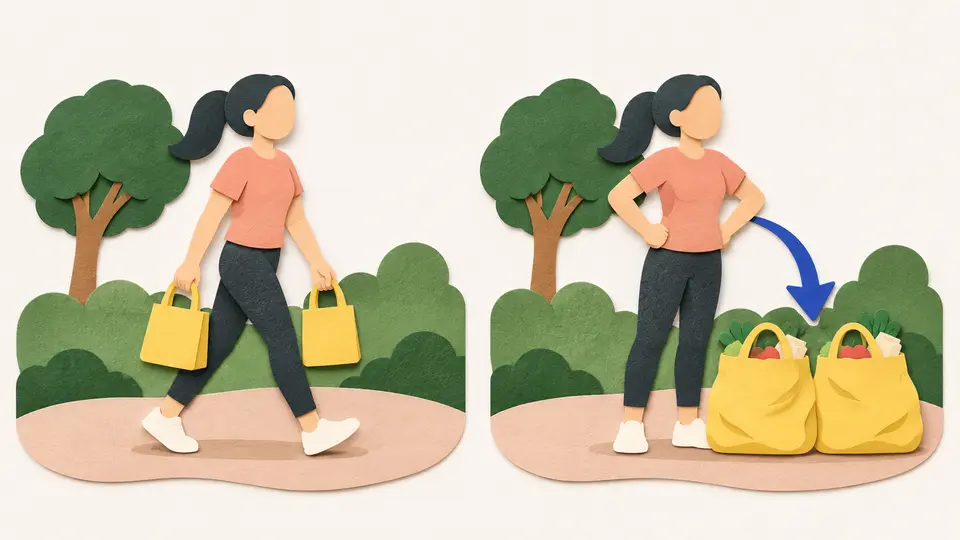
What exercise guidelines actually ask you to do
Now the route moves from your body to the advice about it. Two health services turned the same evidence into exercise numbers more negotiable than they look.
Why the flu vaccine is repeated every year
The exercise guideline changed between editions. The flu vaccine's makeup is decided twice a year, and what it promises needs a close read.
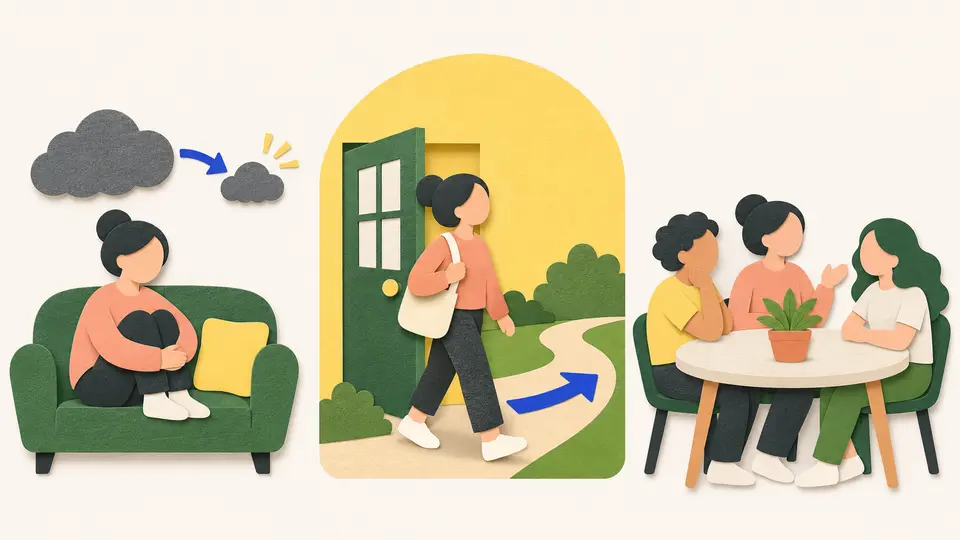
Treating panic disorder, and judging a therapy
A therapy for panic disorder needs judging as well, since no regulator checks its evidence before you're offered it. Bring your own questions.
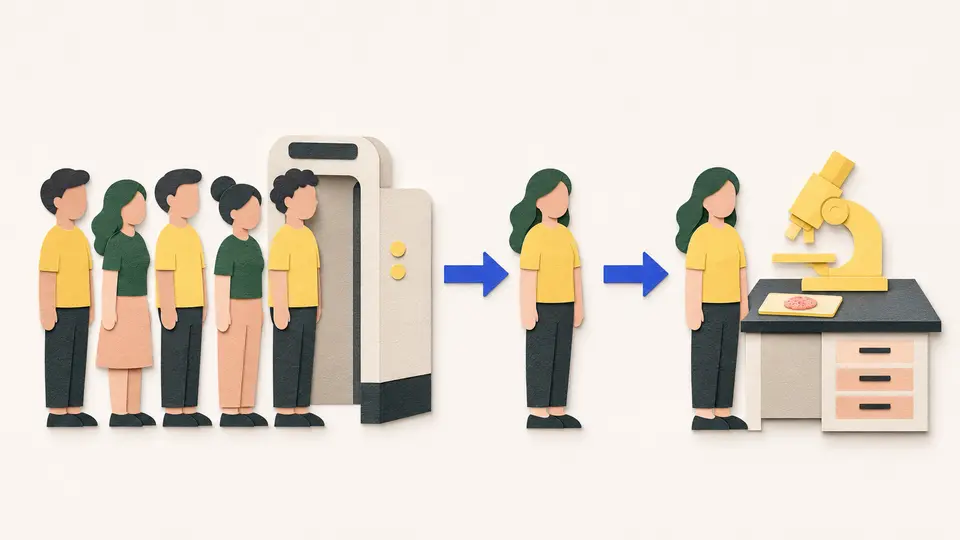
Screening tests and what early detection doesn't prove
End, as you began, with people who have no symptoms. A screening test can look successful even when nobody lives longer, so learn which number to trust.
More guided paths
- Your body and the evidence about itFollow the body's systems at work, then read claims about health without jumping to a diagnosis. 8 topics.
- The practical side of historySee how things actually worked in the past, from counting grain to holding a trench line. After a first step on archaeology, the route runs roughly forward in time. 8 topics.
- Read the past through evidenceStart with traces of everyday life, then follow the evidence from the first cities to the outbreak of the First World War. 8 topics.
- Language by eye and by earFollow language as it reaches you, first by eye, from a signer's hands to a news page, then by ear, from a speaker's accent to live interpreting. 8 topics.