Guided path · Language & Communication
Language by eye and by ear
Follow language as it reaches you, first by eye, from a signer's hands to a news page, then by ear, from a speaker's accent to live interpreting.
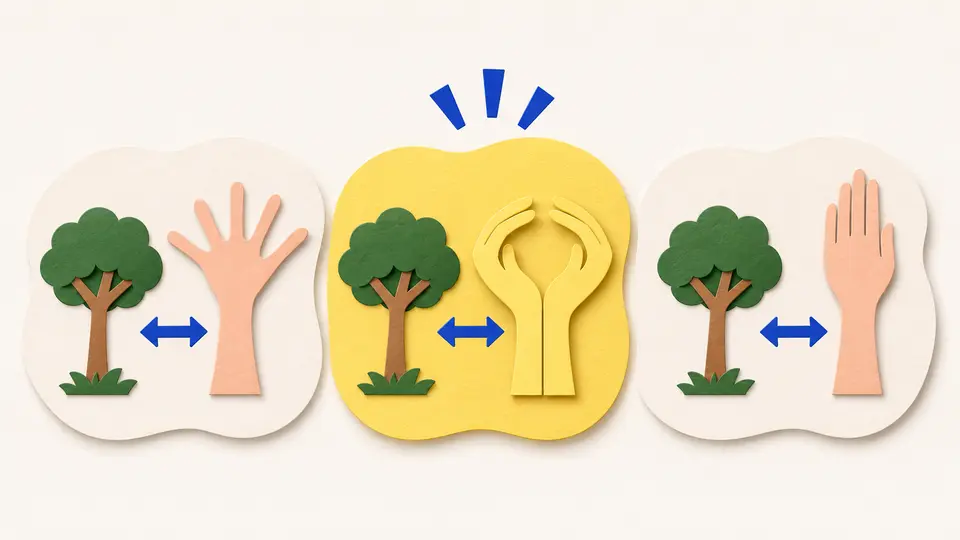
How signed languages use space
Start with a language you take in by eye, where even who did what to whom shows in a verb's movement through space.
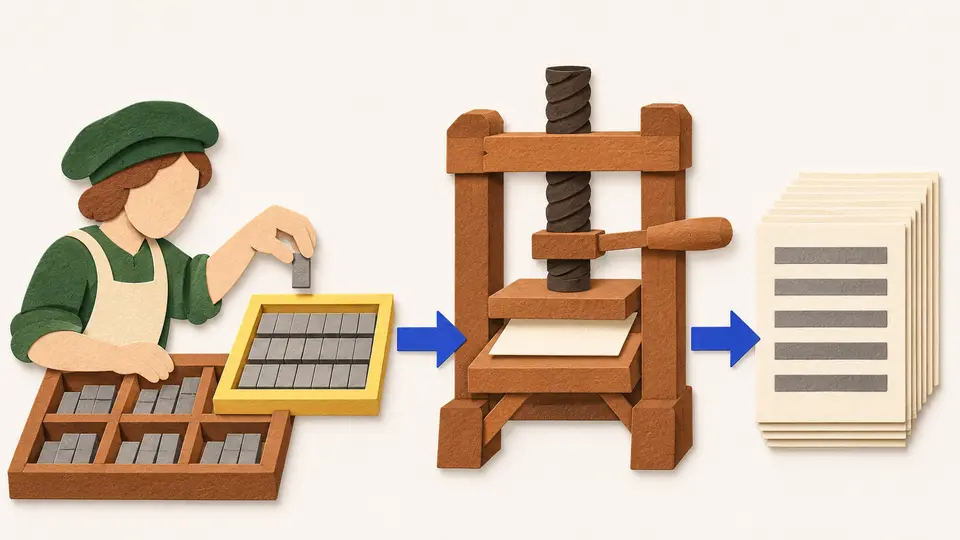
Why English spelling lags behind speech
Stay with the eye and move to English spelling, which gives the word sign a g you don't hear.
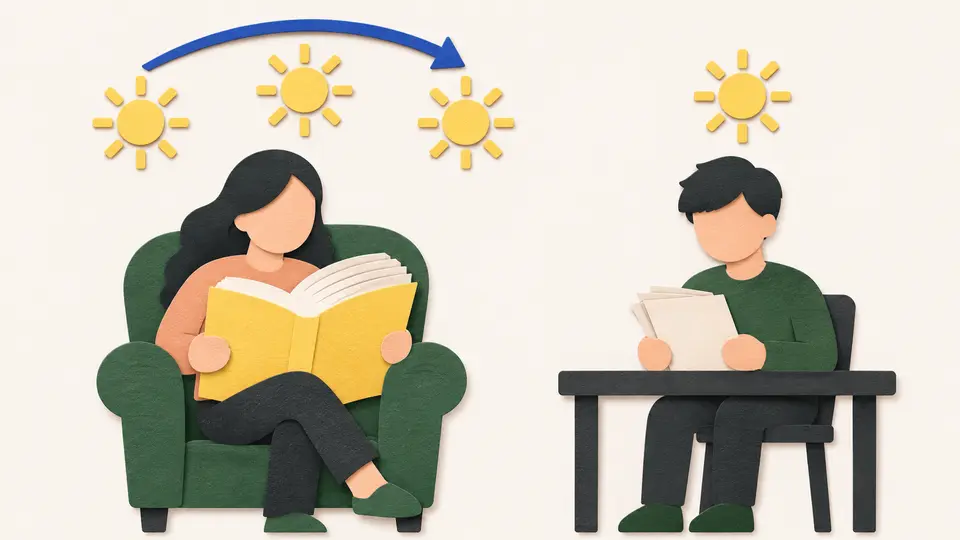
How readers pick up new words
Spelling affects how people learn to read. After that, reading becomes a way to learn words nobody taught you, as long as you read a lot.
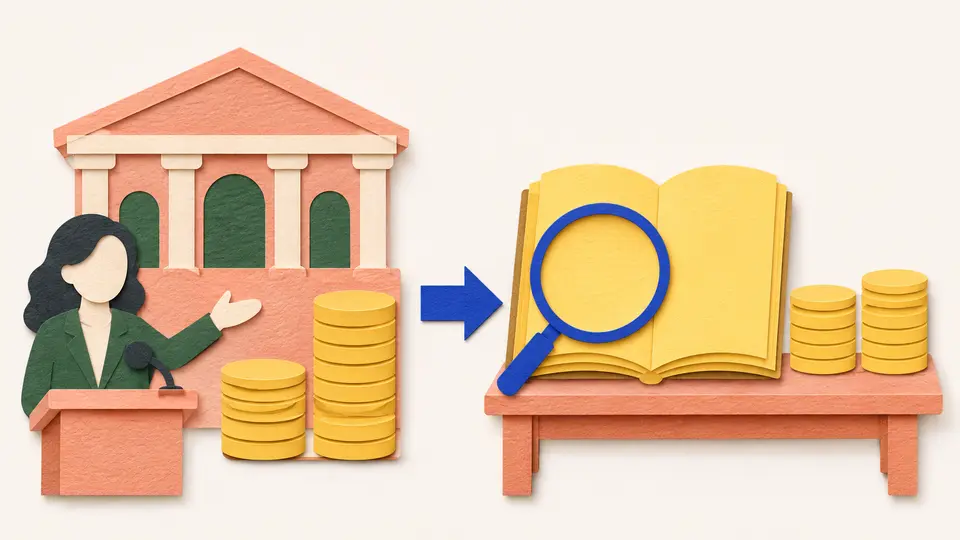
Telling news from opinion and ads
Context can show what a word means. The label above a story should show what kind of piece you're reading, though an ad can borrow the look of news.
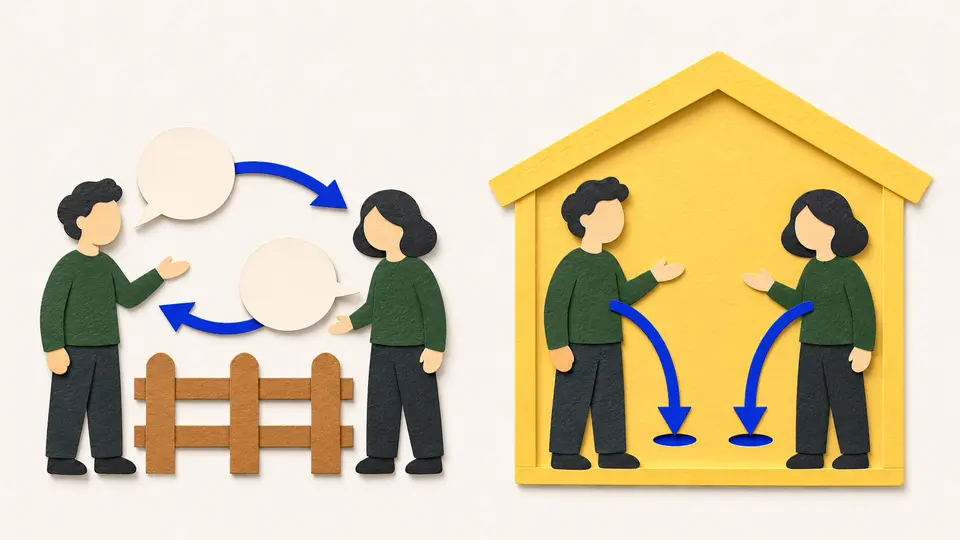
Why some dialects carry prestige
Politics can sway how you sort a statement. Switch from eye to ear, where a listener's associations color how they rate an accent.
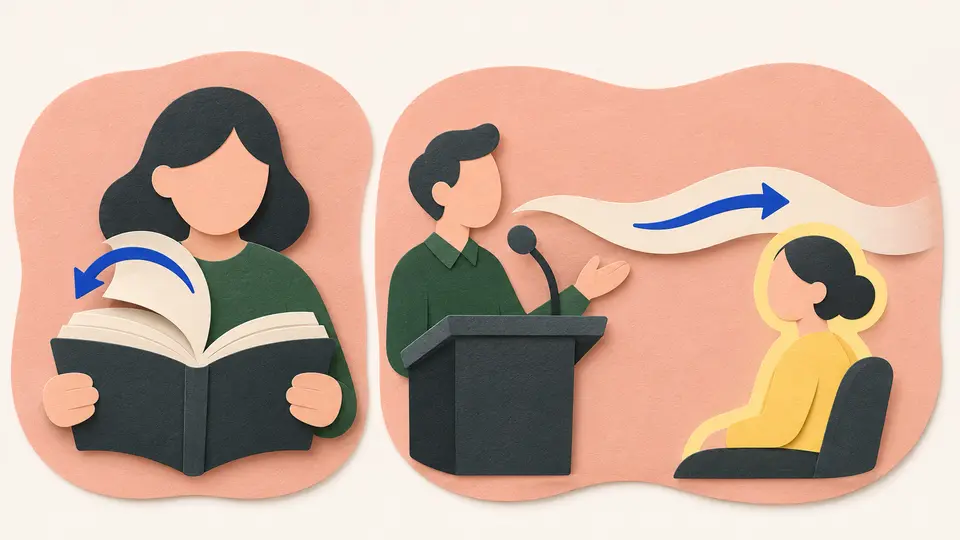
How speakers help listeners keep up
Past the accent, a listener still has to follow the talk, and can't go back as a reader can. See how speakers order and signpost it.
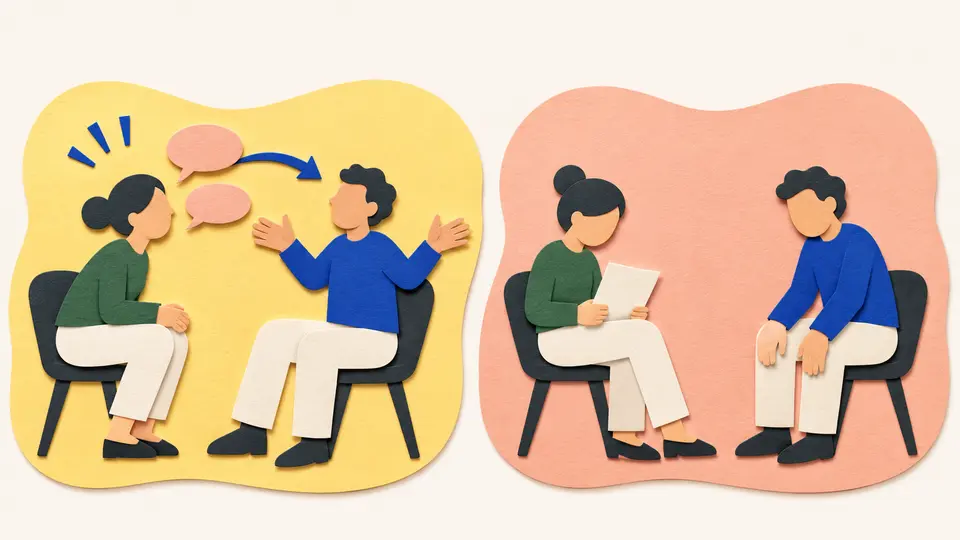
How listeners confirm understanding
Turn to what listeners do in return, from an uh-huh that keeps someone talking to a pilot reading back a clearance to catch anything misheard.
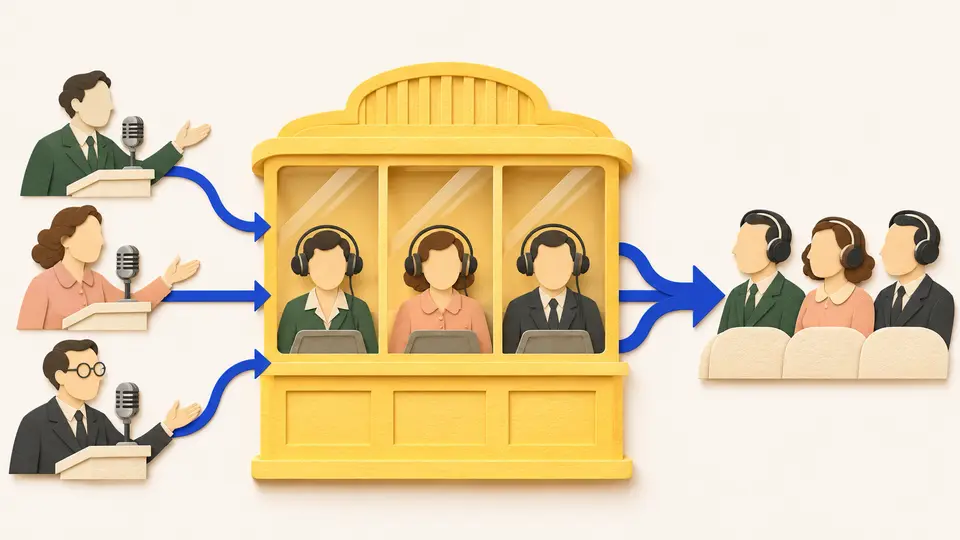
How interpreters keep up with a speaker
A readback repeats a message in the same language. End with interpreters, who carry a speech into another one, sometimes while it's still being given.
More guided paths
- From words to understandingFollow meaning through sentences, writing systems, context and translation, then use what you've learned to explain ideas and check claims. 8 topics.
- From everyday numbers to proofStart with everyday percentages and rates, weigh a surprising test result, then prove a famous bridge walk impossible. 7 topics.
- Where quick math intuition goes wrongIf an average or a growth curve has ever misled you, start here. In each topic a first guess fails, and the route runs from calculation to logic and a problem with no easy test. 7 topics.
- Classic arguments and how they hold upIf you like to argue back, set well-known arguments against the objections they've drawn, starting with how you reason and what you can know, and ending with how to live well and judge beauty. 8 topics.