Guided path · Philosophy & Ethics
Classic arguments and how they hold up
If you like to argue back, set well-known arguments against the objections they've drawn, starting with how you reason and what you can know, and ending with how to live well and judge beauty.
When is an analogy a good argument?
Start with arguments from analogy, since later steps lean on comparisons too, such as death set beside the time before birth.
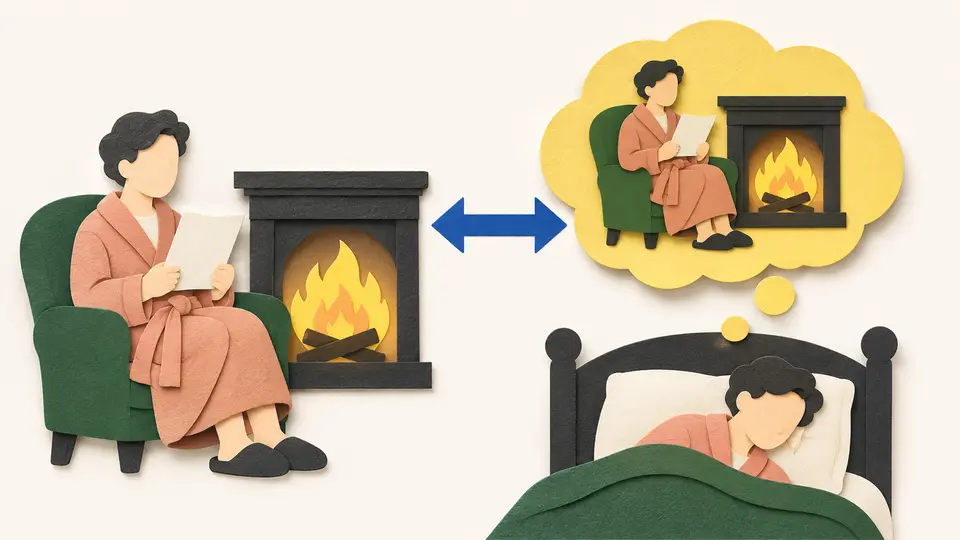
Could you be a brain in a vat?
Mill's analogy answers a doubt about other people's minds. Now widen that doubt to everything your senses tell you about the world.
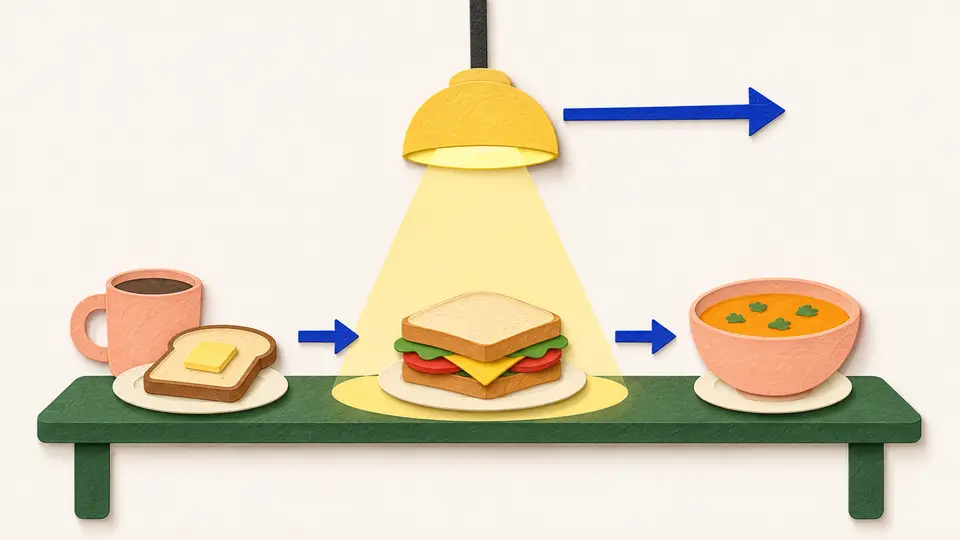
Does time really pass?
The skeptic asks whether the world is as it appears. Ask the same of time, which seems to pass, though some theories say it only seems to.
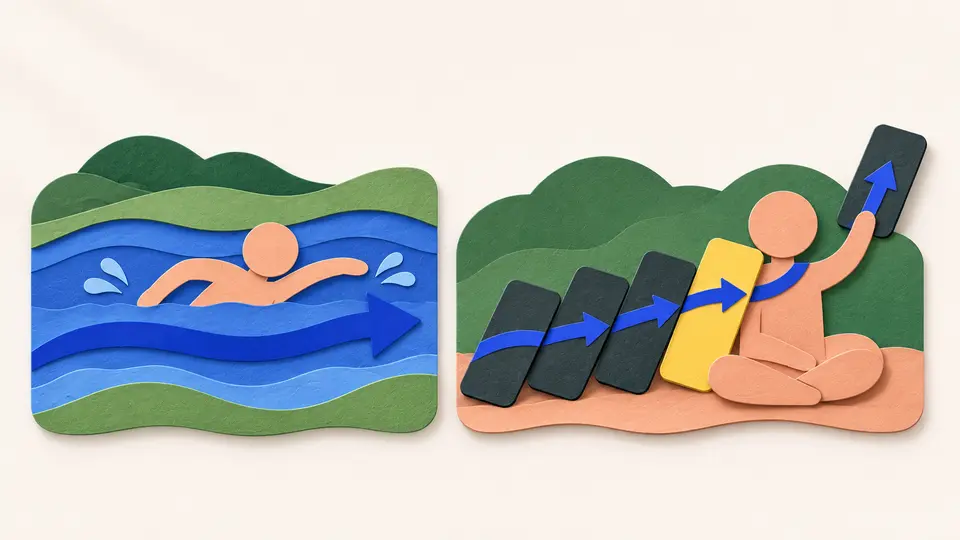
Could you have done otherwise?
From how events are ordered in time, move to whether earlier events and the laws of nature settle every choice you make, and what that would mean for blame.
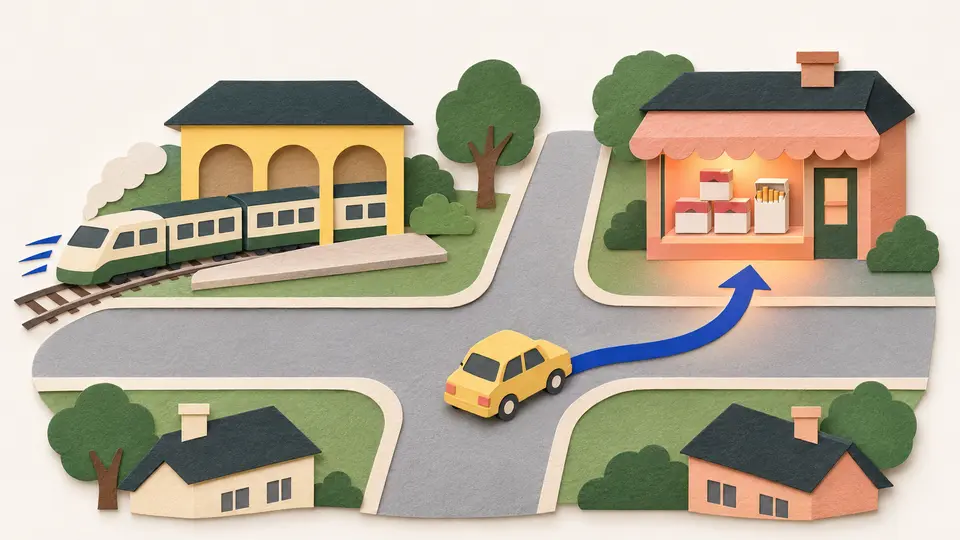
What does it mean to be free?
Classical compatibilists call you free when nothing stops you from doing what you want. Carry that idea into politics, where freedom can mean more than one thing.
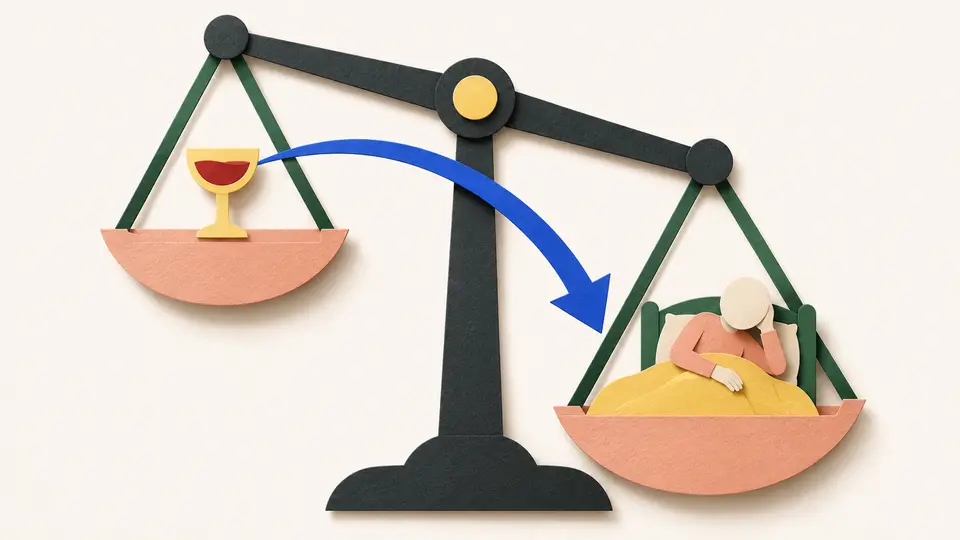
Epicurus on pleasure, desire and death
The contented slave shows the trouble with tying freedom to whatever you happen to want. Epicurus asks which desires are worth satisfying in the first place.
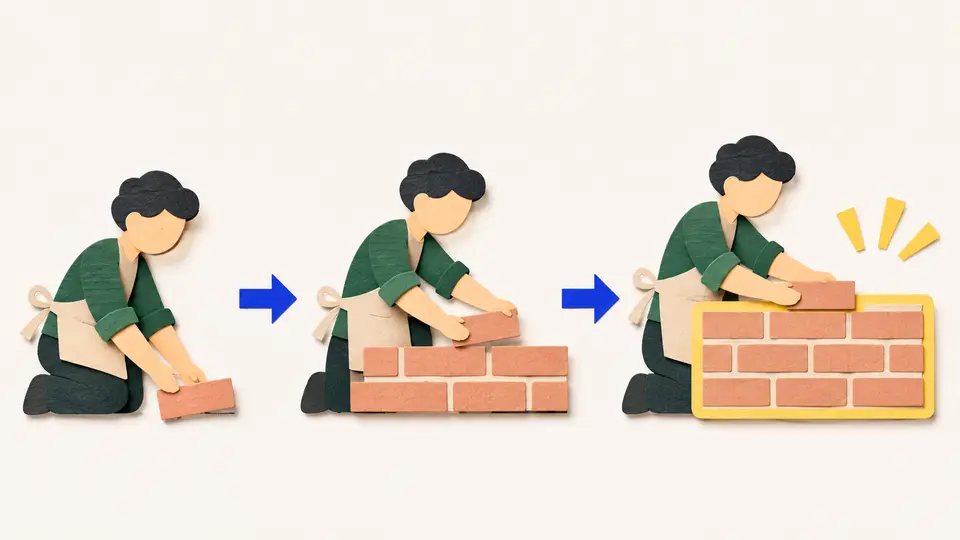
Is being good a matter of character?
After Epicurus's advice about desires, see Aristotle's case that good character comes from habit. Then ask whether his doctrine of the mean is more than advice to be moderate.
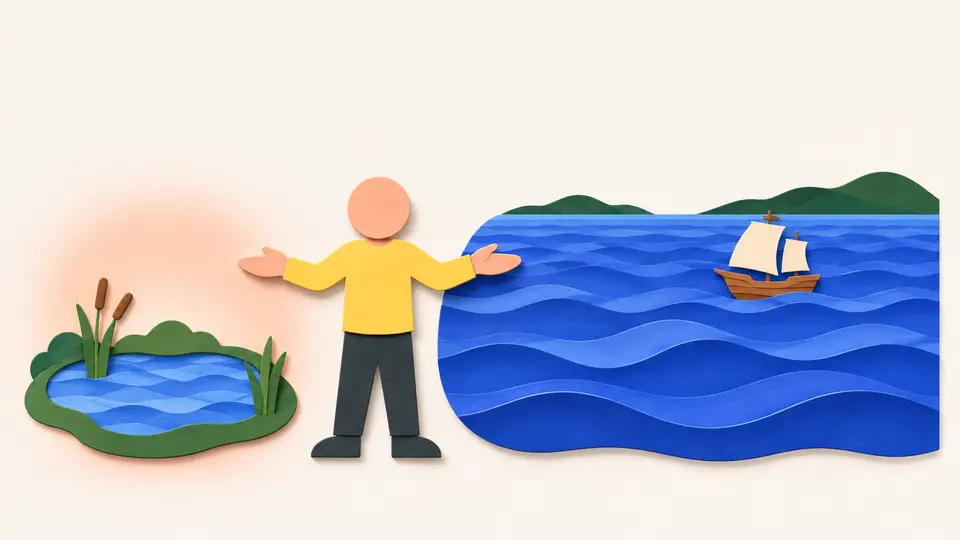
Can one person's taste be better than another's?
Finish by moving from good character to good taste, where Hume sets out what a true critic needs and Kant asks what a judgment of beauty claims.
More guided paths
- Better questions about belief and choiceBuild an argument, ask what makes a belief justified and a person the same over time, then compare ways to judge actions and societies. 8 topics.
- From the rulebook to the courtroomFollow a country's rules from the constitution down to the courts that apply them, meeting citizens and officials on the way. The route ends at an international court. 8 topics.
- Rules, power and rightsFollow votes into laws and policies, then look at the rights and procedures that protect people. 8 topics.
- Notice, remember and decideFollow the mind from nerve signals and attention to memory, emotion, habits, decisions and the pull of a group. 8 topics.