Guided path · Philosophy & Ethics
Better questions about belief and choice
Build an argument, ask what makes a belief justified and a person the same over time, then compare ways to judge actions and societies.

What makes an argument good?
Start with the tool every later step uses. A good argument needs true premises and a conclusion that follows from them, and you check each separately.

When is a belief justified?
An argument gives reasons for a belief. Now ask what makes a belief justified, and why a true guess falls short of knowledge.

What does it mean for one thing to cause another?
Many of your beliefs are about what caused what. Test a cause by asking what would have happened without it, then meet the cases that strain the test.
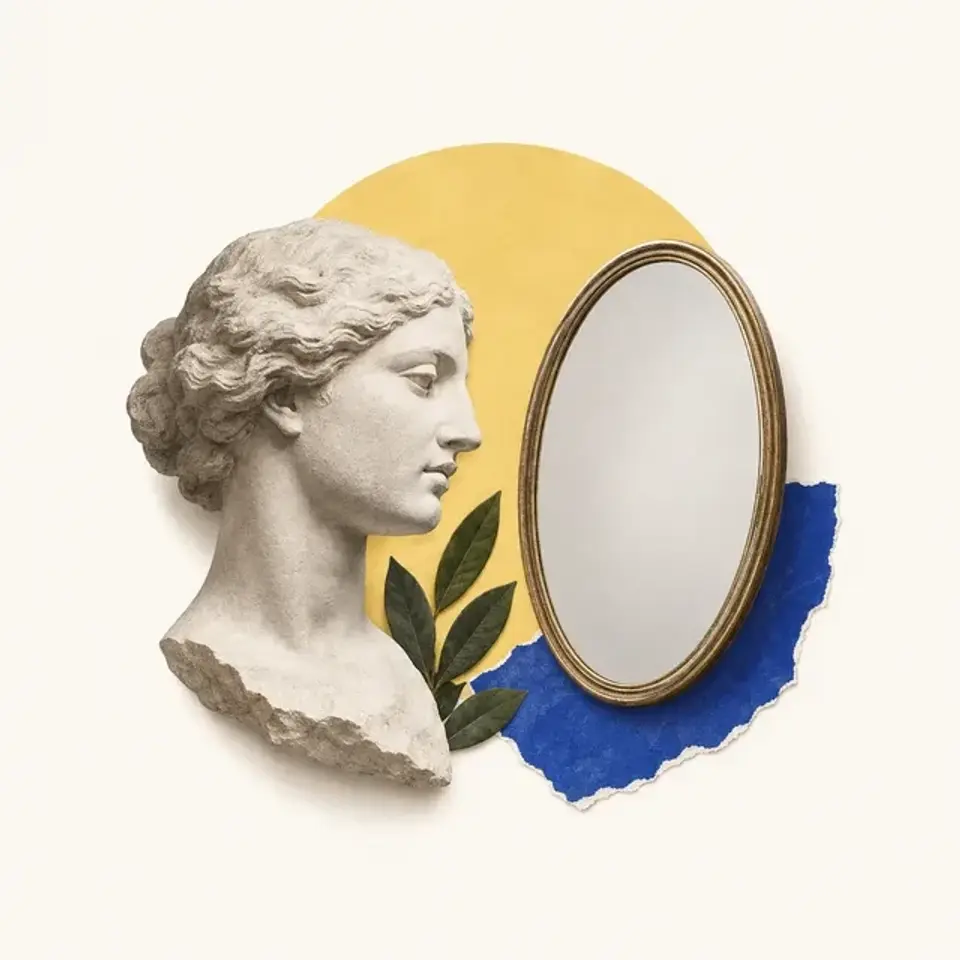
What makes you the same person over time?
What-if cases test ideas about the self as well. Ask what keeps you one person while your tastes, beliefs and memories change.

Judging right and wrong by results or by duties
From who you are, move to what you should do. Compare judging a choice by its results with judging it by what you owe people.
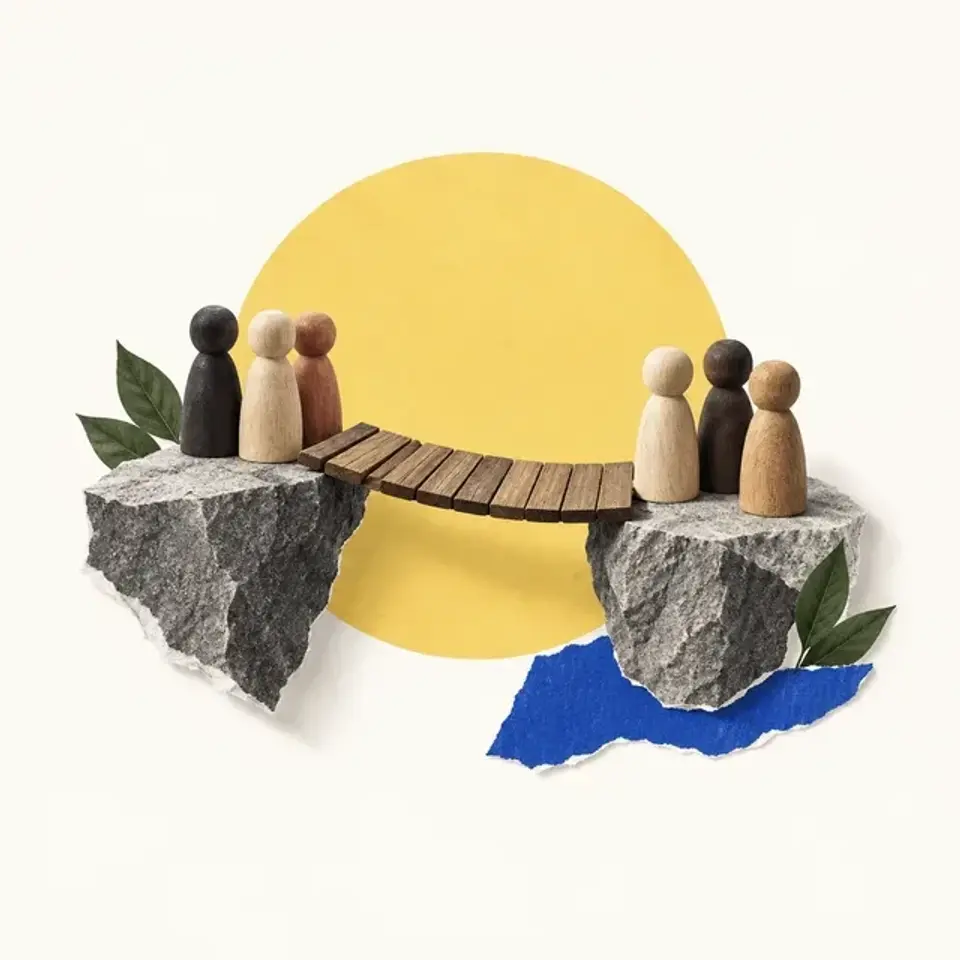
The veil of ignorance
From one choice, move to a whole society. Rawls asks which rules you'd pick without knowing your own place in it.

Stoicism and what is within our control
You don't pick the society you're born into. The Stoics drew a line between your own choices and outcomes that depend on the world.
Can a copy have the same artistic value?
Finish with a question about value outside ethics, and ask whether a copy that looks exactly like the original is the same artwork.
More guided paths
- From the rulebook to the courtroomFollow a country's rules from the constitution down to the courts that apply them, meeting citizens and officials on the way. The route ends at an international court. 8 topics.
- Rules, power and rightsFollow votes into laws and policies, then look at the rights and procedures that protect people. 8 topics.
- Notice, remember and decideFollow the mind from nerve signals and attention to memory, emotion, habits, decisions and the pull of a group. 8 topics.
- What your mind does before you noticeSee how much of your mind runs without asking you. The route starts in your brain and body, then widens to how you judge other people and act in a crowd. 8 topics.