Guided path · Mind & Psychology
What your mind does before you notice
See how much of your mind runs without asking you. The route starts in your brain and body, then widens to how you judge other people and act in a crowd.
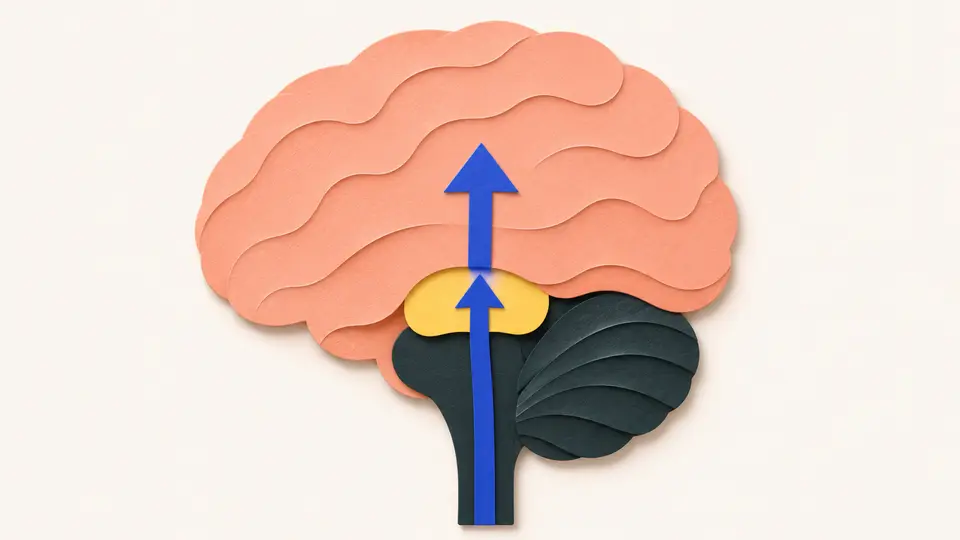
A map of the brain and the autonomic nervous system
Start with the hardware. One division of your nervous system has been running your heart rate the whole time you've been reading.
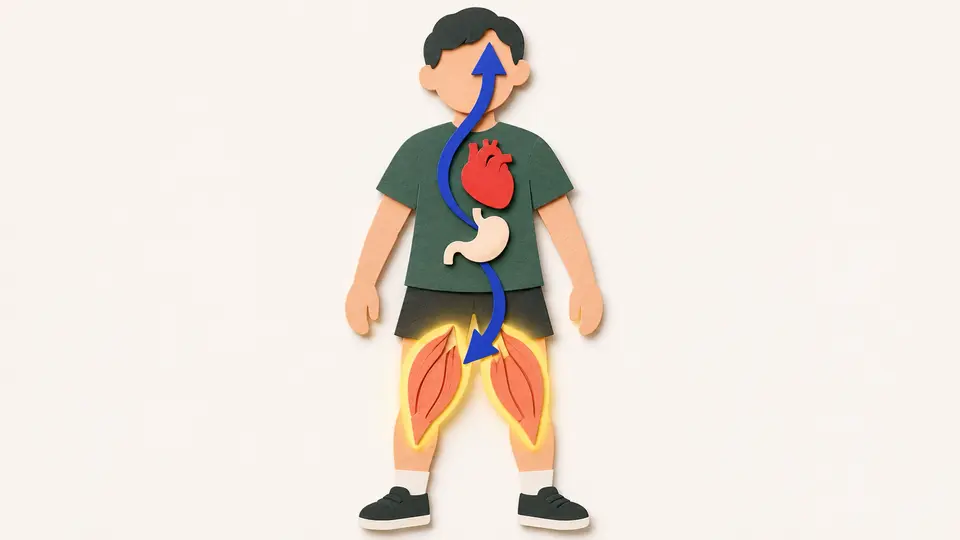
The fight-or-flight response, stress and anxiety
Next comes a response that also runs without you. It starts in one almond-sized structure of the brain you just mapped and spreads through your body.
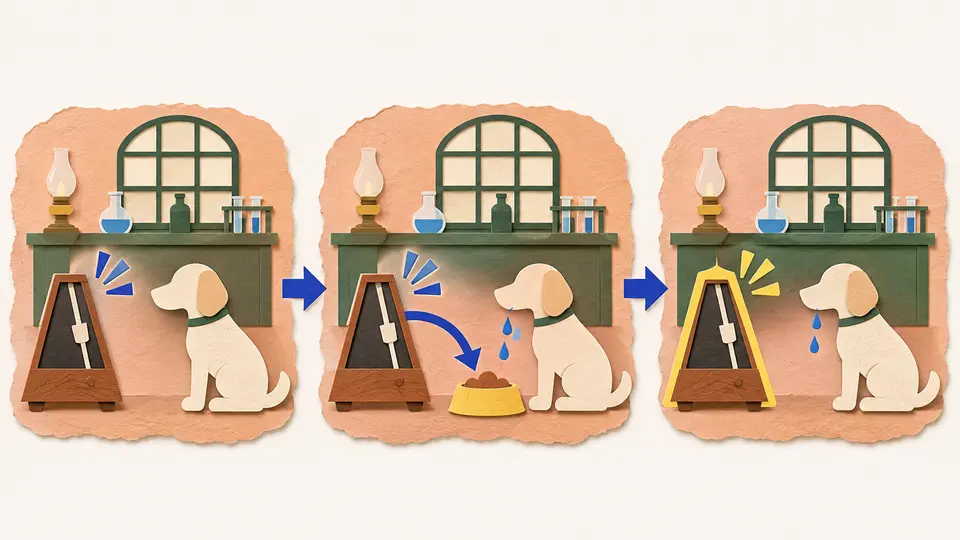
How signals and rewards train behavior
You've weighed the control you believe you have. Your real lever depends on whether the world trained a reflex or an action you chose.
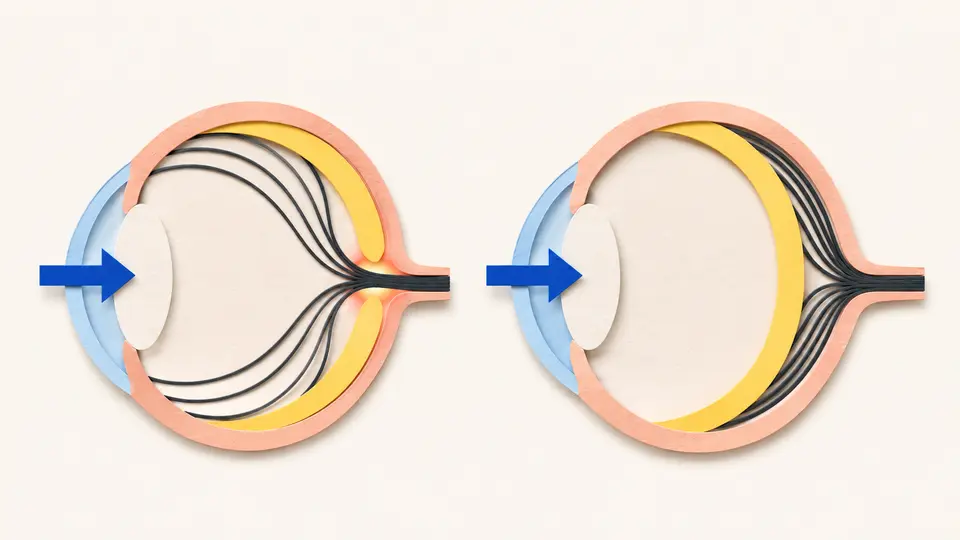
Your eye's blind spot and how the brain fills gaps
Here the route turns from how you respond to what your mind supplies, starting with a gap in your vision you can find for yourself.
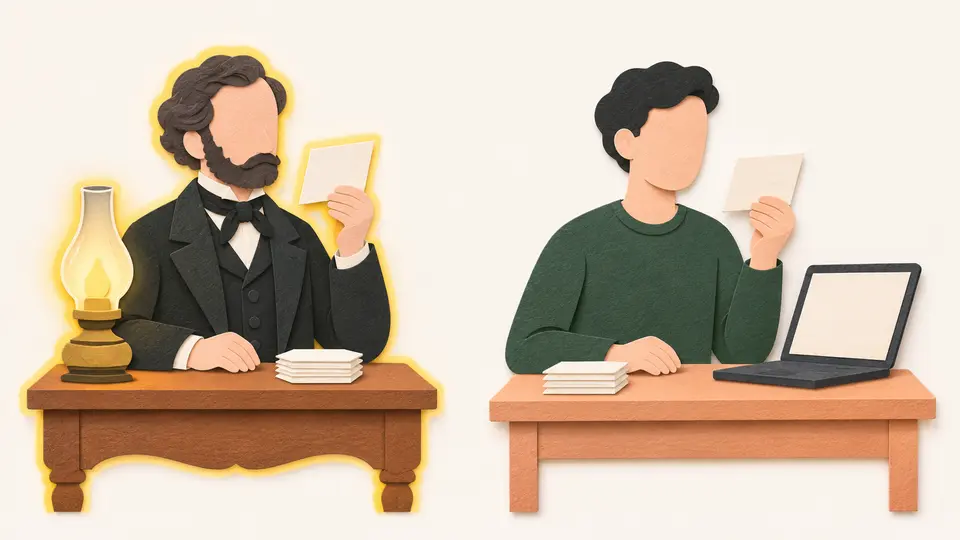
How memories fade and how they get rewritten
Memory can take on additions too. Alongside plain fading, a memory can be edited after the fact and still feel vivid.
Anchoring and availability, two shortcuts in judgment
Judgment leans on memory. How easily examples come to mind can shift a belief, and so can a number you were just handed.
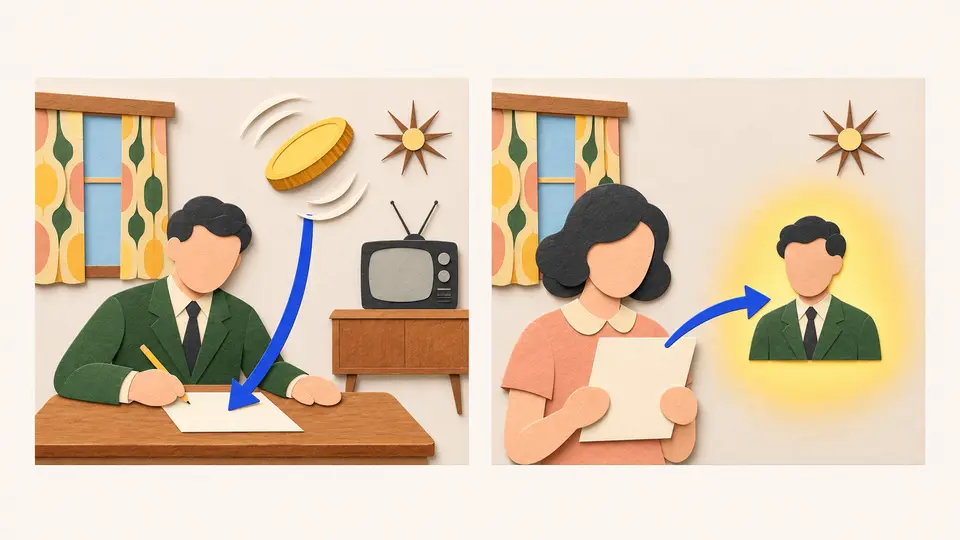
The fundamental attribution error and its limits
From judging a number or yourself, move to explaining other people, where one result held up and the famous claim paired with it didn't.
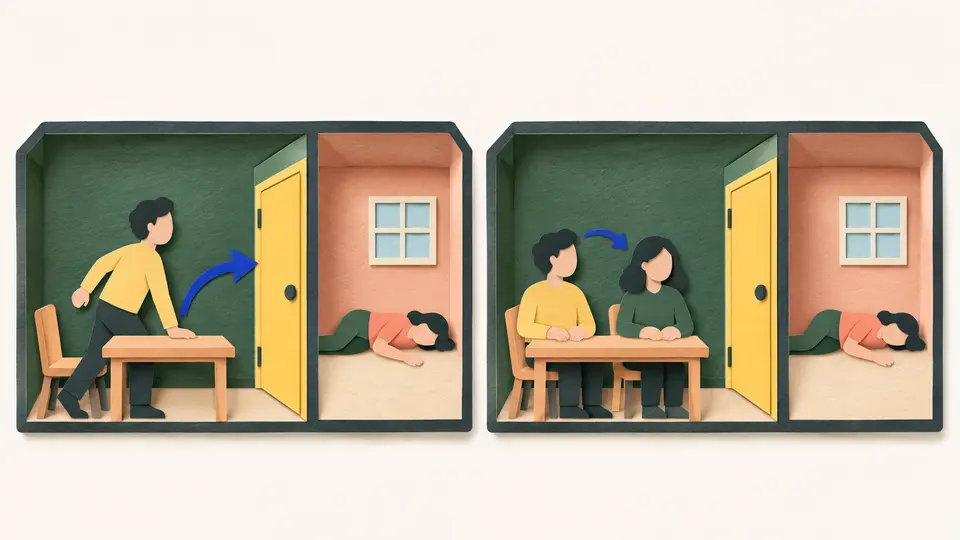
The bystander effect and what real crowds do
End by widening to a crowd. The bystander effect's founding story also fell apart, and camera footage of real conflicts lets you check the lab results.
More guided paths
- Texts, practices and authorityStudy religious traditions through their internal differences, ancient manuscripts, a pilgrimage and disputes over who holds authority. 6 topics.
- What keeps a religious tradition goingFollow religions across centuries and borders to see what keeps a tradition going, from texts held in memory to a kitchen that feeds anyone. The route ends with people who have no religion. 6 topics.
- How science explains familiar puzzlesUse evidence to explain why boats float and sugar dissolves, then move on to cells, ecosystems and a changing planet. 9 topics.
- Science past the easy answerEvery topic here picks up an easy answer and shows what it misses. The route climbs from a push and a proton to the whole planet, then ends on how evidence is judged. 9 topics.