Guided path · Science
How science explains familiar puzzles
Use evidence to explain why boats float and sugar dissolves, then move on to cells, ecosystems and a changing planet.

What makes an experiment convincing?
Start with the method. A fair comparison, assignment by chance and hidden labels decide how far a result can support a claim.
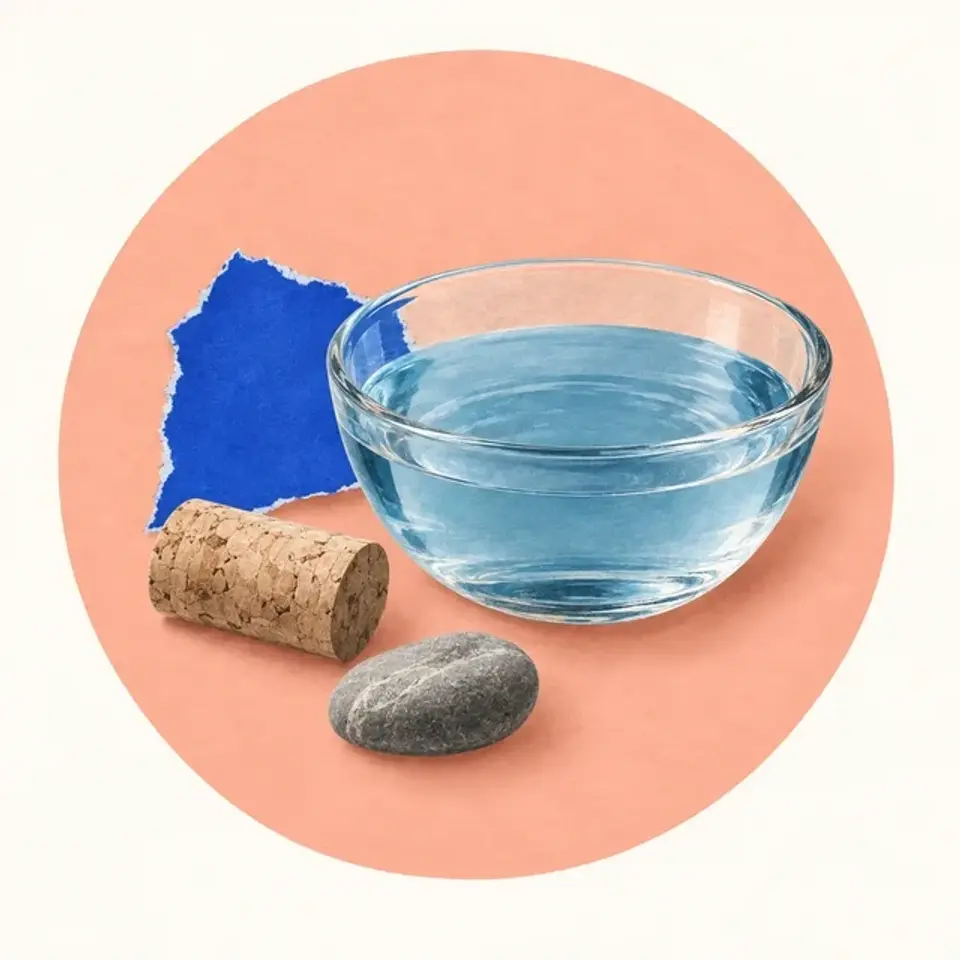
Why things float or sink
Take that care to a familiar puzzle, and trace why a steel ship floats while a steel bar sinks.

Why substances dissolve
Stay with water and zoom in to particles, to see why stirring harder won't dissolve more sugar.
DNA, genes, and proteins
From particles in a glass, move to molecules in a cell, where a gene is read to make a protein.
Natural selection without a plan
Genes pass from one generation to the next. See how inherited differences and unequal reproduction change a population, with no plan involved.

Food webs and ecological knock-on effects
Populations live among other species. Widen out to who eats whom, and how a predator changes plants it never eats.
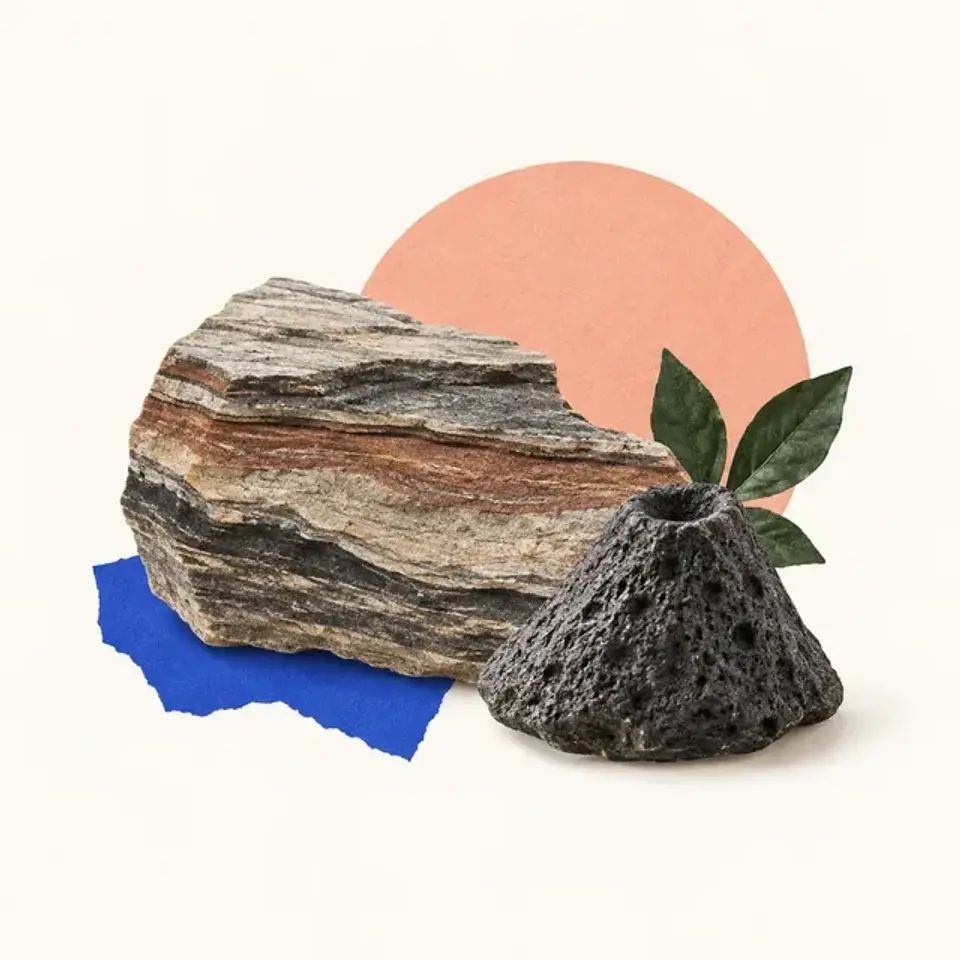
Plate tectonics and moving continents
Scale up from living things to the ground under them, where plates move a few centimeters a year.
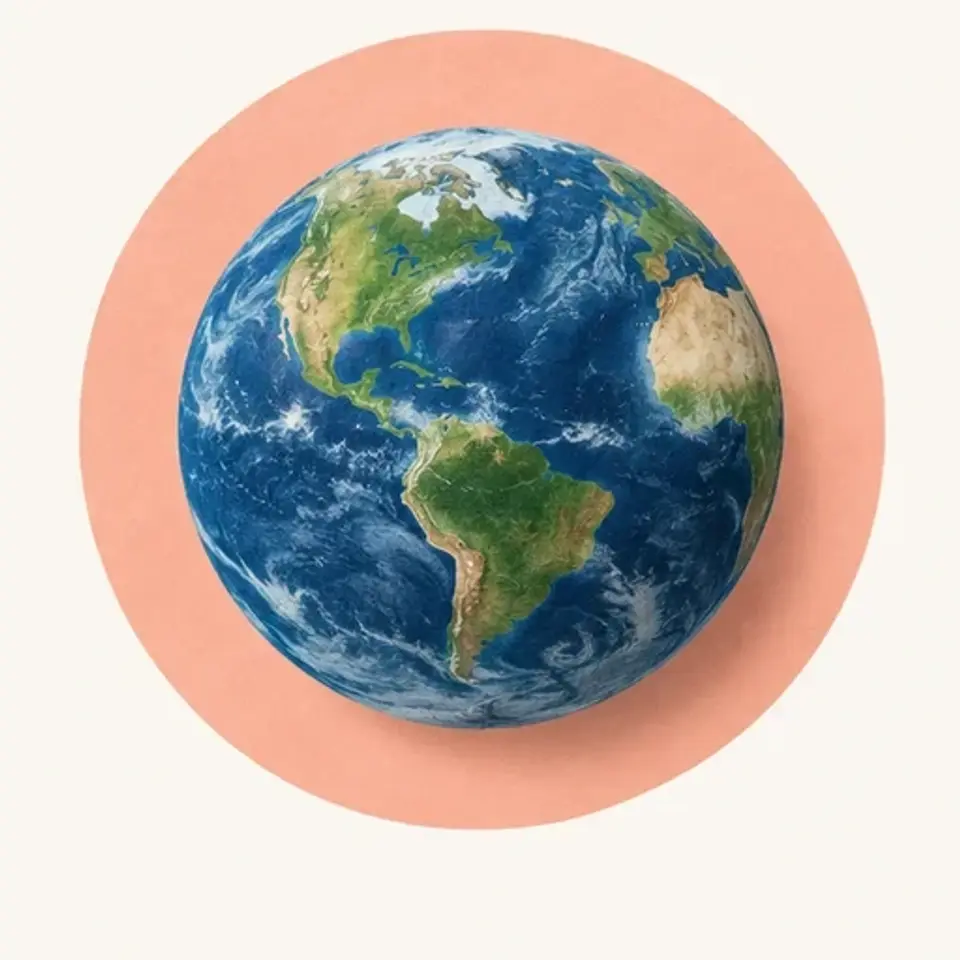
The greenhouse effect
From Earth's crust, go to its air. Follow energy in and out, and see how greenhouse gases shift the balance.
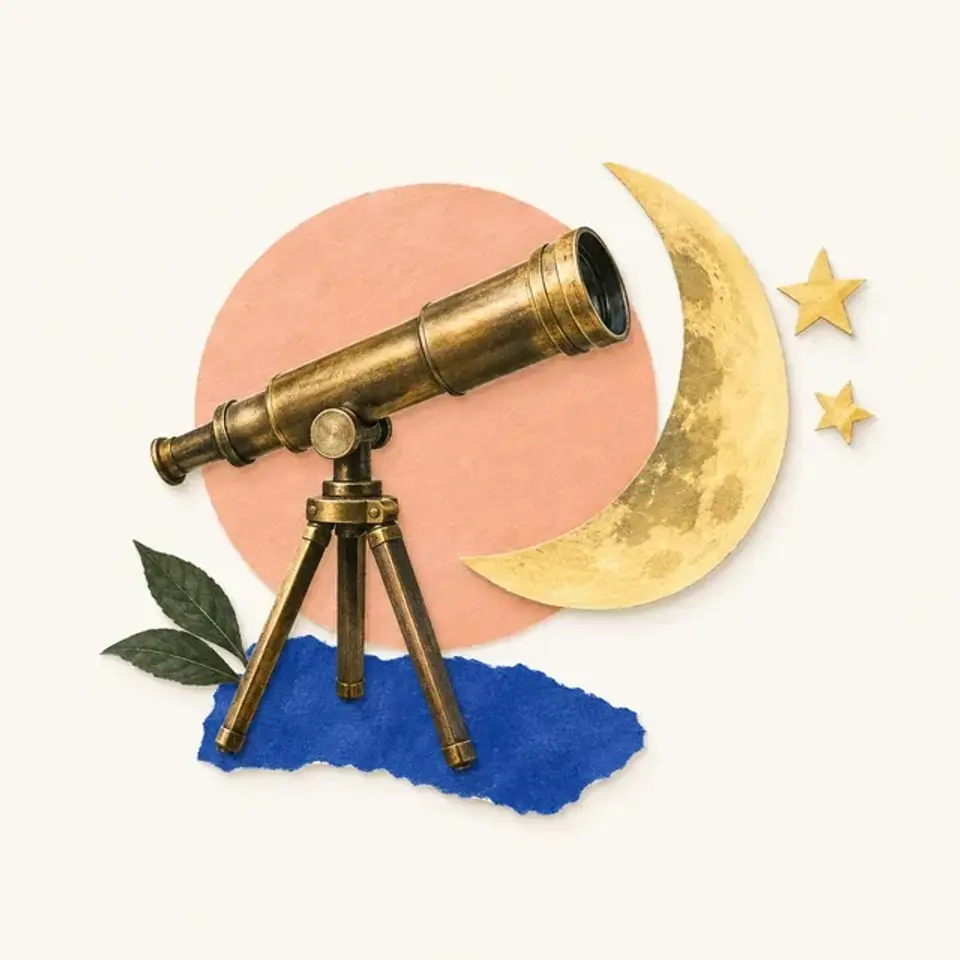
The Moon's changing phases
Finish by looking up. The Moon's phases are changing views of a sunlit sphere.
More guided paths
- Science past the easy answerEvery topic here picks up an easy answer and shows what it misses. The route climbs from a push and a proton to the whole planet, then ends on how evidence is judged. 9 topics.
- What happens behind the screenFollow a computer's work from single instructions to web pages, then look at account security, AI answers and what reaches your feed. 7 topics.
- Why computers don't do what you'd expectComputers do odd things for reasons you can trace. This route explains one surprise per step, starting with a single number inside the machine and working outward to the sites you visit. 7 topics.
- How form shapes an experienceRead the choices behind paintings, stories, films, music, stage shows and buildings, then change a game's rules and ask who keeps a tradition alive. 8 topics.