Guided path · Science
Science past the easy answer
Every topic here picks up an easy answer and shows what it misses. The route climbs from a push and a proton to the whole planet, then ends on how evidence is judged.
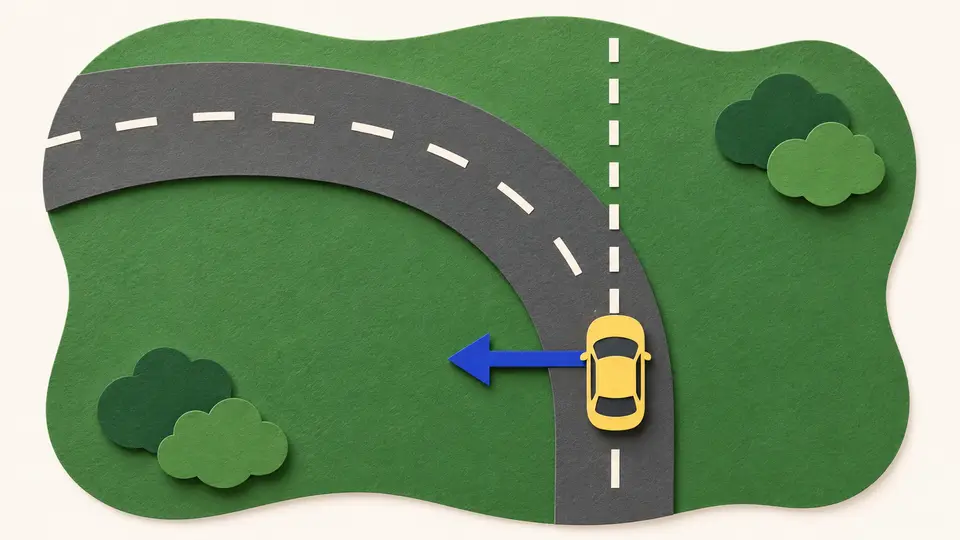
Why things keep moving
Start close to home, with the sense that moving things slow down on their own, and find the cause that idea leaves out.
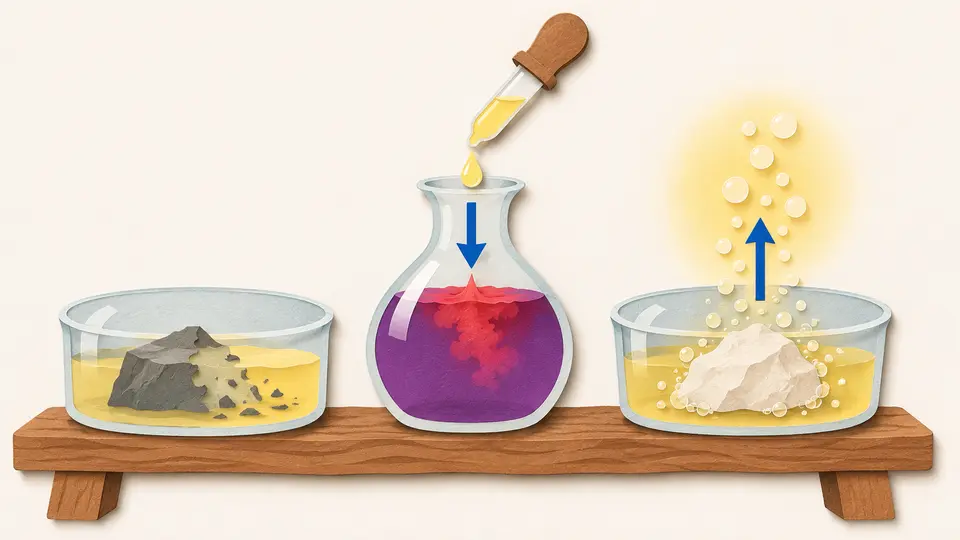
Acids, bases, and what pH measures
You've pinned down what mass measures. Do the same for a pH number, starting with a single proton changing hands.
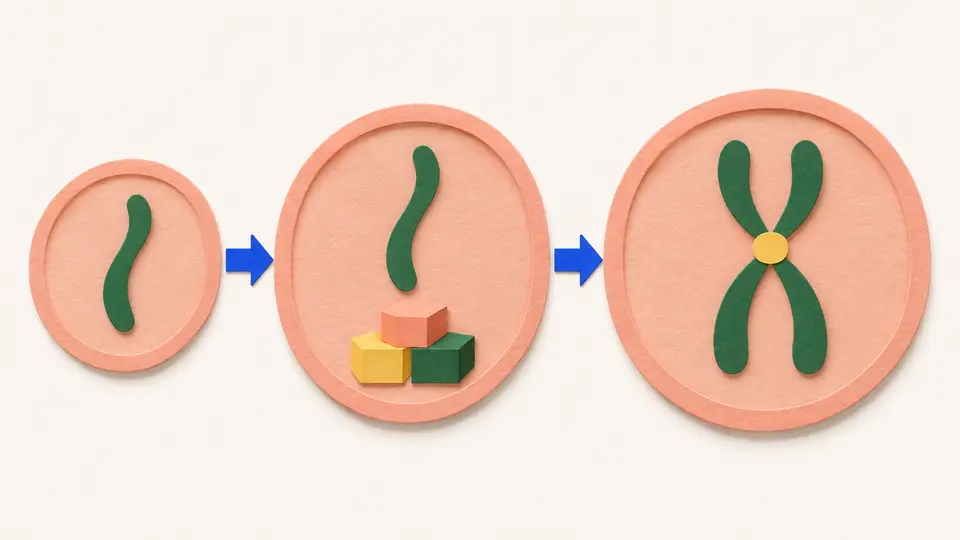
How one cell becomes two
From protons and water, step up to a whole living cell, where the easy answer about cancer is that it's just fast growth.
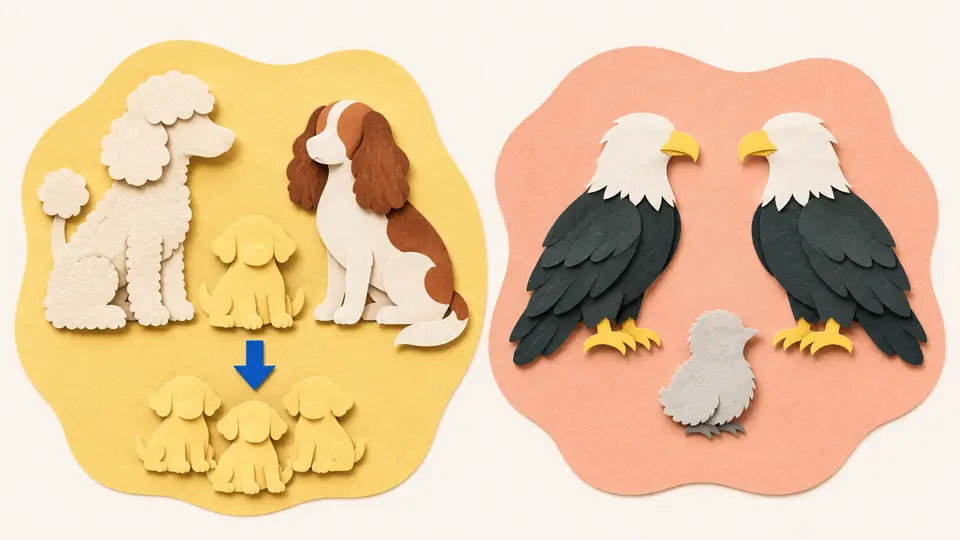
How new species form
One cell became two. Now a whole population splits, and the barriers that keep species apart turn out to come after the two groups diverge.
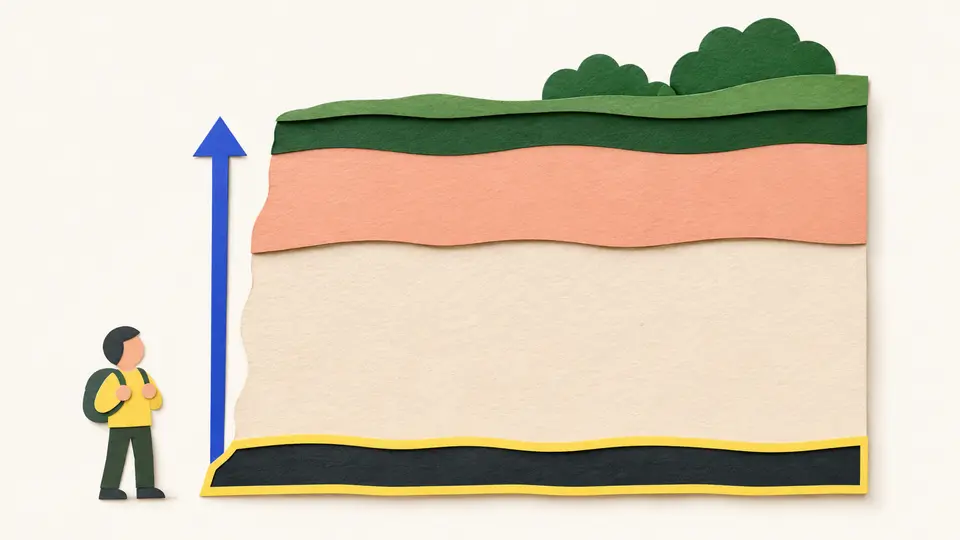
How we know the age of rocks
Living things turn up again here, as fossils that let geologists recognize the same layer in different places. Putting years on those layers is a separate job.
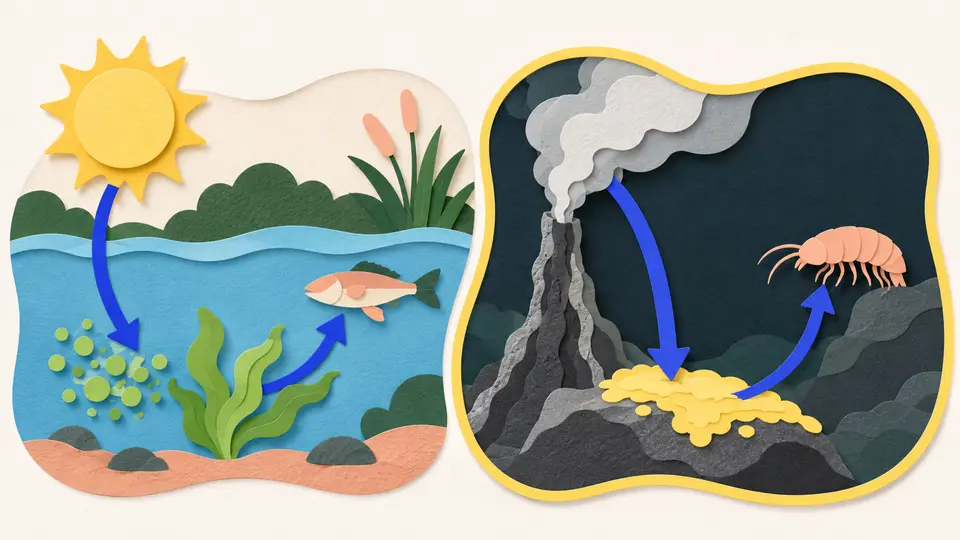
How energy and matter move through an ecosystem
Rock layers taught you to keep order and age apart. An ecosystem calls for the same care, because energy and matter move through it differently.
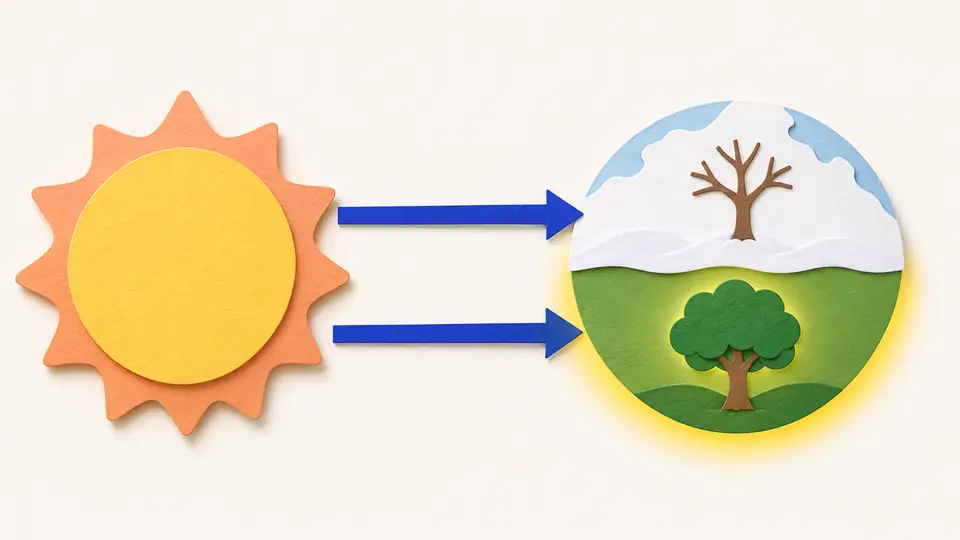
Why the seasons change
Pull back from one ecosystem to the whole planet, and test the idea that summer comes when Earth is nearer the Sun.
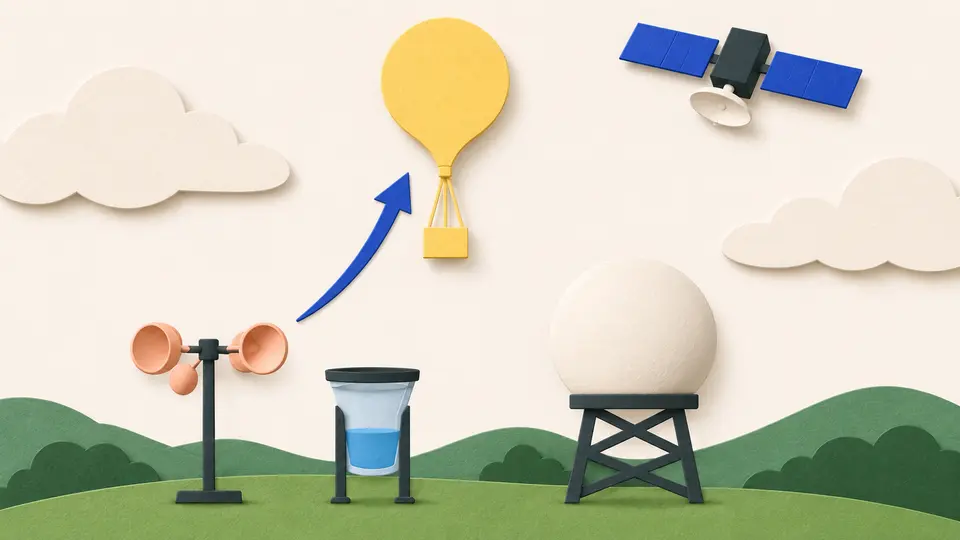
How a weather forecast is made
Narrow the view from a whole year to the weather ahead, where observations and models end up as a chance of rain.
What a statistical test actually decides
A chance of rain has to be read for exactly what it claims. End on a statistical test, whose p-value is another probability that needs the same care.
More guided paths
- What happens behind the screenFollow a computer's work from single instructions to web pages, then look at account security, AI answers and what reaches your feed. 7 topics.
- Why computers don't do what you'd expectComputers do odd things for reasons you can trace. This route explains one surprise per step, starting with a single number inside the machine and working outward to the sites you visit. 7 topics.
- How form shapes an experienceRead the choices behind paintings, stories, films, music, stage shows and buildings, then change a game's rules and ask who keeps a tradition alive. 8 topics.
- Art's raw materials, from stone to codeLook at art through what it's made from. The route starts with materials you can touch, like pigment and wood, then moves through words and sound to works made of code. 8 topics.