Guided path · Arts & Culture
Art's raw materials, from stone to code
Look at art through what it's made from. The route starts with materials you can touch, like pigment and wood, then moves through words and sound to works made of code.
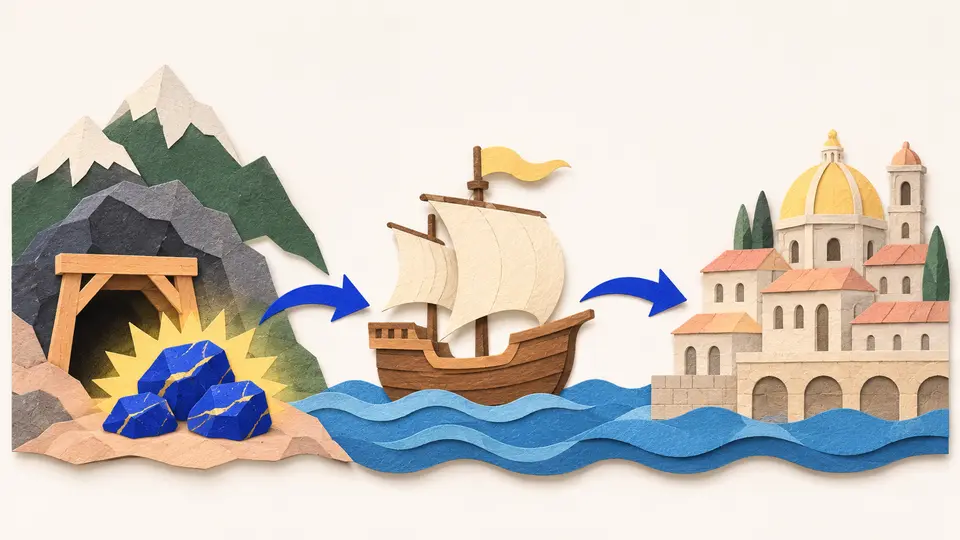
Ultramarine and the price of blue
Start with a blue made from stone and priced so high that most painters used it sparingly.
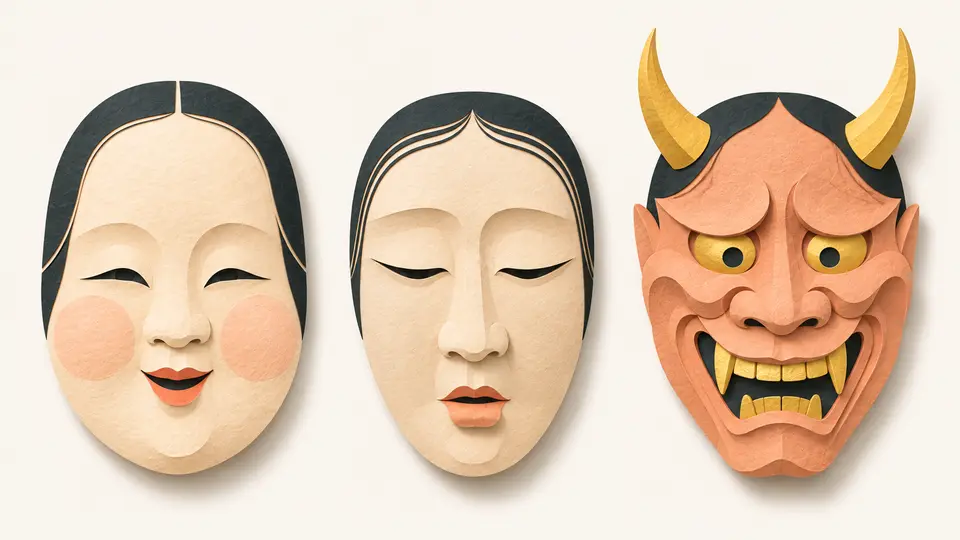
How Noh masks seem to change expression
From one pigment, move to a Noh mask, carved from cypress and finished in paint, and see what a tilt does to its fixed face.
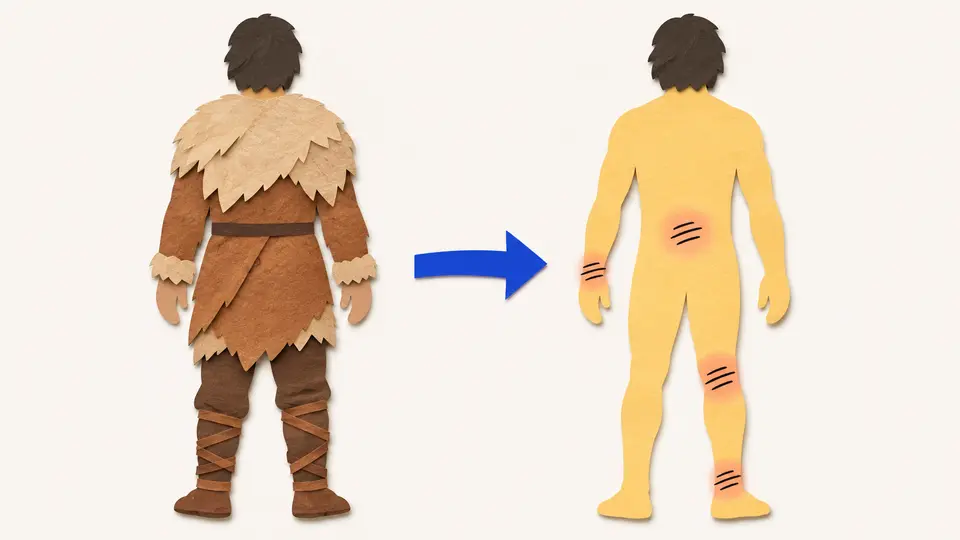
What a tattoo can say
Carving moves from wood to skin. A Māori moko was carved with narrow uhi, and it said something about the person who wore it.
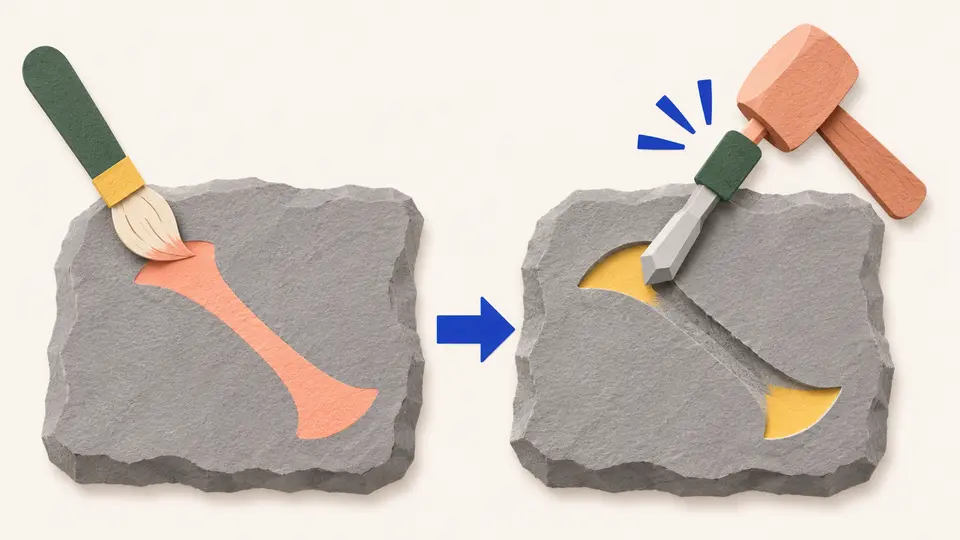
How typefaces give words a voice
Marks on skin could be read, and so can the shapes of letters. Turn to type, whose designers have long argued over whether it should be invisible.
How oral poets composed epics
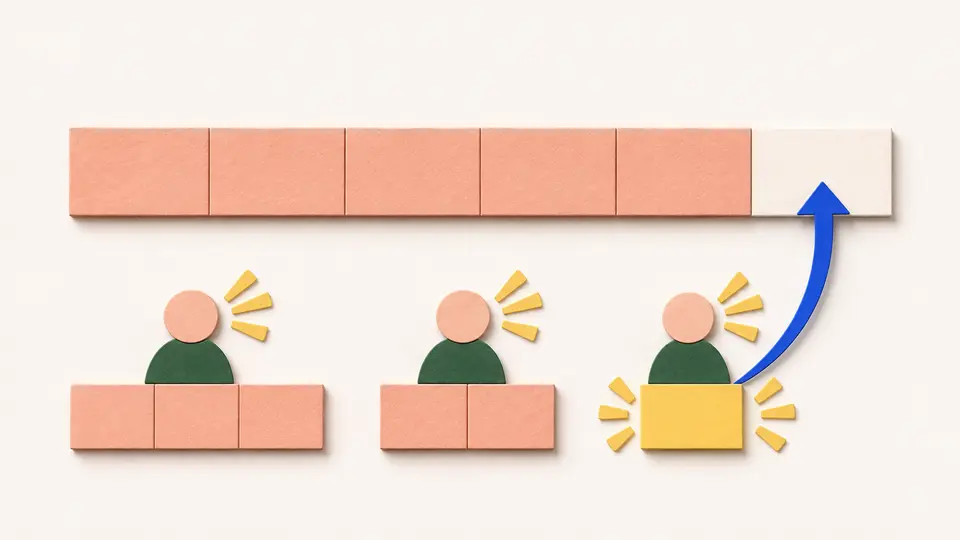
Leave the page for poetry made aloud, where a singer's raw material is a stock of phrases built to fit the line.
Why instruments sound different
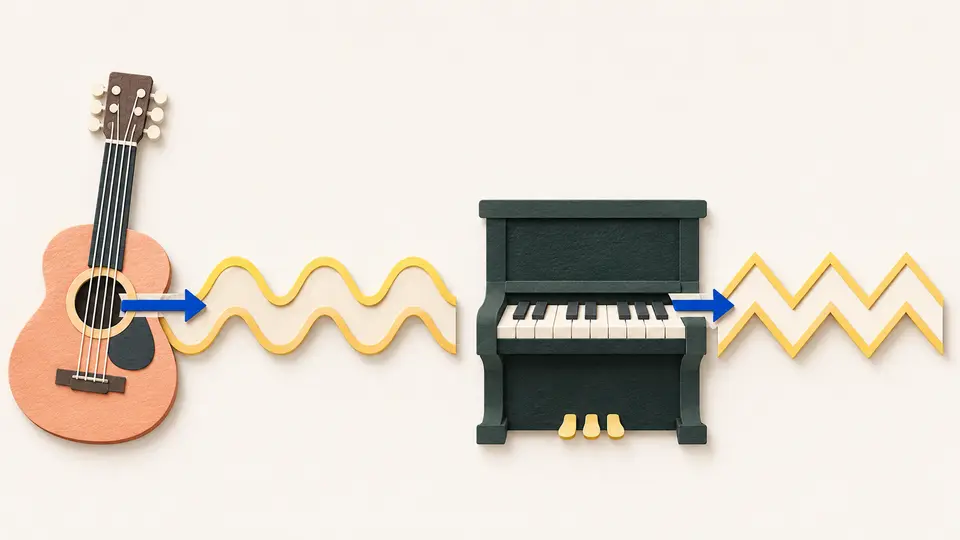
Now listen past the singer's words to the sound itself, whose color a voice or instrument can change while the note stays the same.
How film sound shapes what you notice
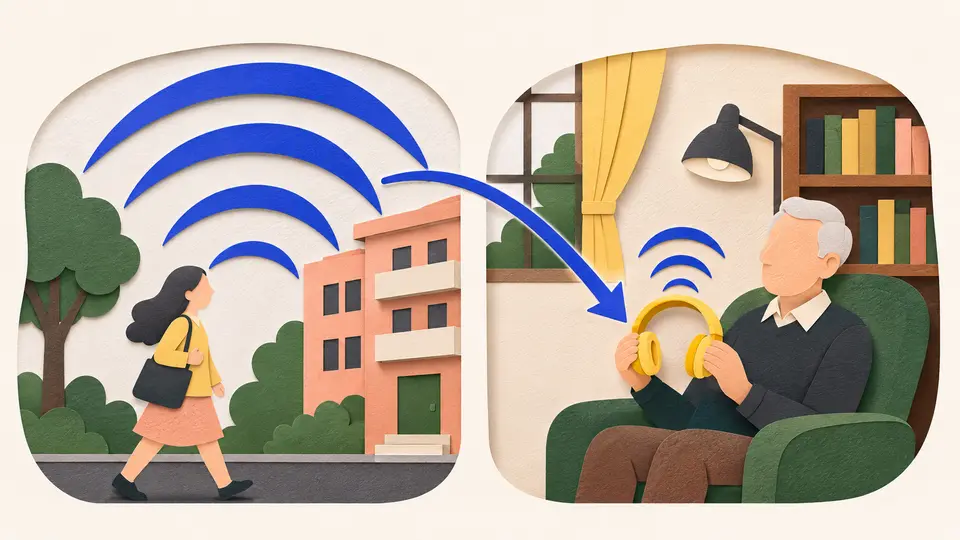
Composers combine instruments to color a melody. Films combine sounds, many made after the shoot, into a soundtrack that can change what you think you see.
Saving games and digital art
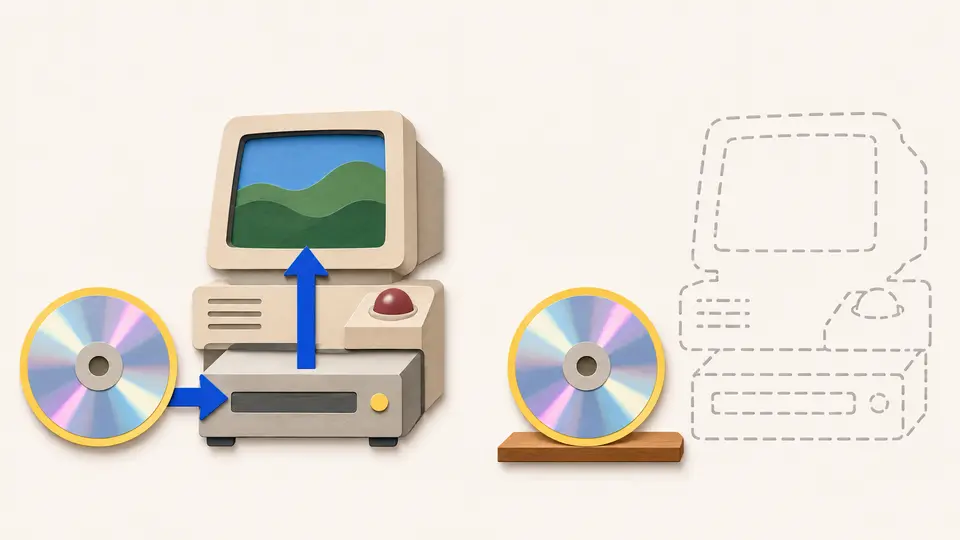
End on works made of code, where a disc or file can survive while the work on it becomes unreadable.
More guided paths
- From a useful idea to a working businessTest whether a problem is worth solving, then work through customers, pricing and operations to the timing of cash. 7 topics.
- Judging a business from the outside inThis route helps you judge a business fairly. It starts with famous stories told from outside, then works inward to the numbers a company runs on. 7 topics.
- From one sale to a whole economyThis route connects your own money to the economy around it, starting with what one sale leaves out and widening step by step to a country's currency. 8 topics.
- Prices, money and riskStart at a market stall, then follow money through wages, banks, inflation, trade, taxes, debt and investing. 8 topics.