Guided path · Technology & Computing
Why computers don't do what you'd expect
Computers do odd things for reasons you can trace. This route explains one surprise per step, starting with a single number inside the machine and working outward to the sites you visit.
Why a computer can't write down one tenth
Start small, with one tenth, an everyday number a computer can only store approximately.
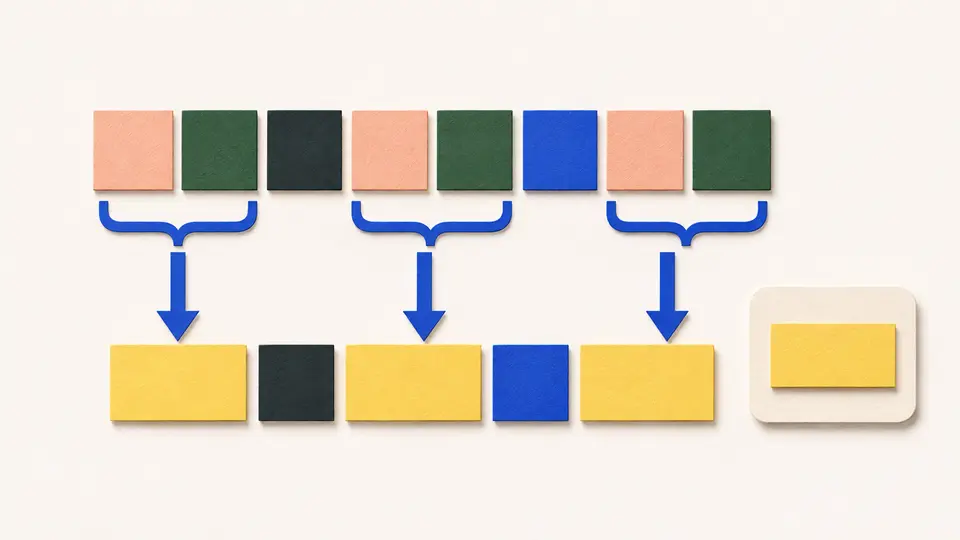
How text becomes numbers
One tenth had to be squeezed into binary. Text goes through its own conversion before a model reads it, cut into tokens that each end up as numbers.
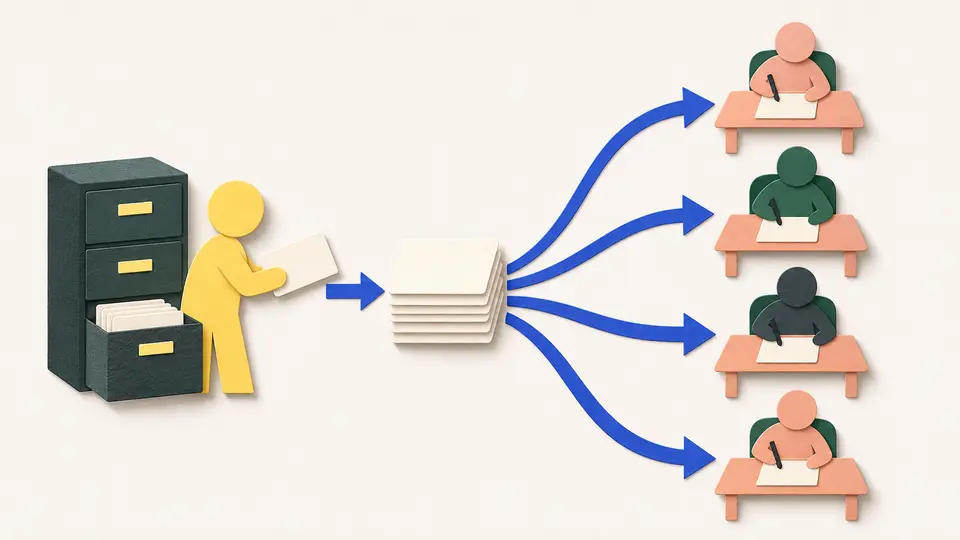
Why adding cores stops helping
With the data in numbers, the next question is speed. Adding processors helps less than you'd think, and the ceiling can be worked out in advance.

Why one database query is fast and the next isn't
More processors only go so far. A database can speed up a query with an index, and it decides for itself whether that beats reading every row.
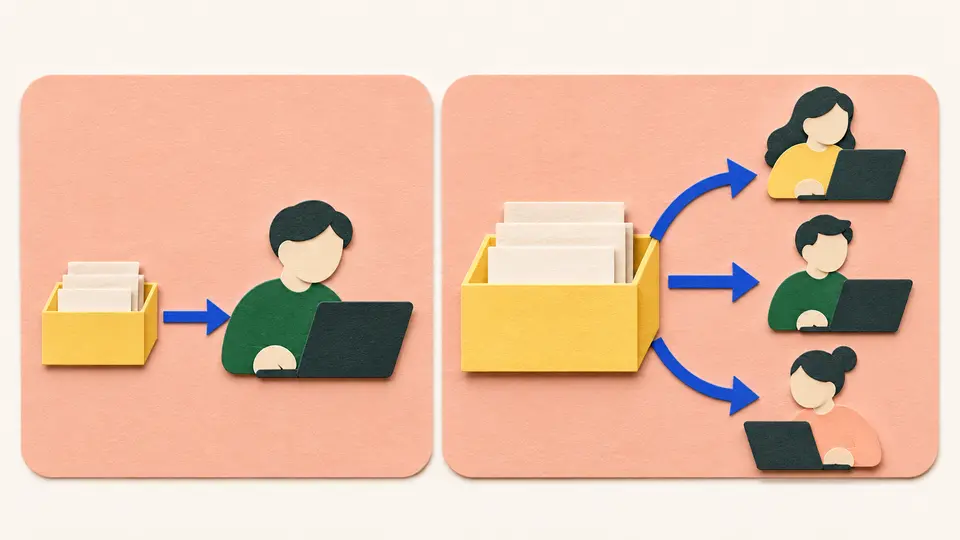
How your browser's cache decides what to reuse
Like an index, a browser cache saves work, this time by keeping copies of what you've already fetched and judging when each one is out of date.
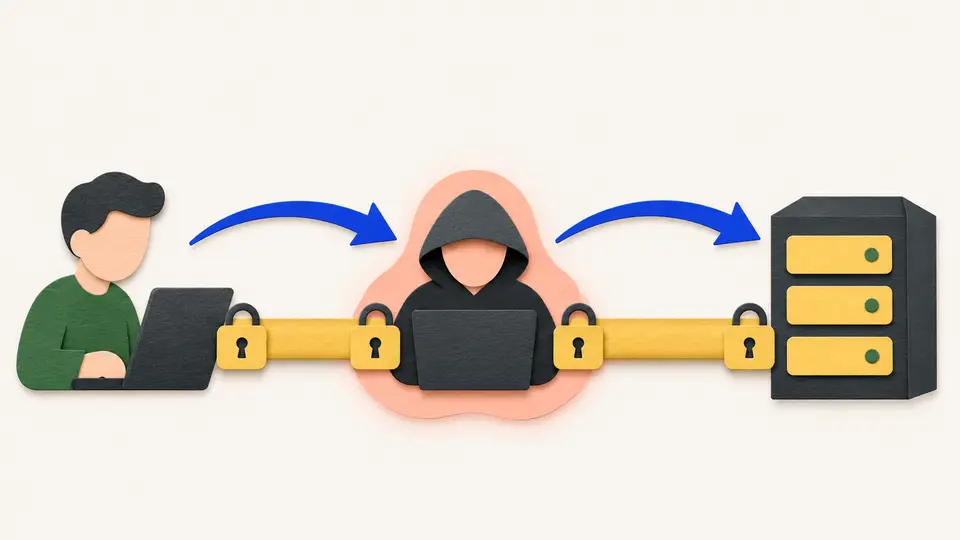
HTTPS and how a website proves who it is
From trusting a stored copy, move on to trusting the site itself, and see what your browser checks before it accepts that a site is the right one.
How cookies let websites remember and track you
A certificate binds a name, and names matter for cookies too. End with how the address bar settles whether a cookie counts as third party.
More guided paths
- How form shapes an experienceRead the choices behind paintings, stories, films, music, stage shows and buildings, then change a game's rules and ask who keeps a tradition alive. 8 topics.
- Art's raw materials, from stone to codeLook at art through what it's made from. The route starts with materials you can touch, like pigment and wood, then moves through words and sound to works made of code. 8 topics.
- From a useful idea to a working businessTest whether a problem is worth solving, then work through customers, pricing and operations to the timing of cash. 7 topics.
- Judging a business from the outside inThis route helps you judge a business fairly. It starts with famous stories told from outside, then works inward to the numbers a company runs on. 7 topics.