Philosophy & Ethics · Society & justice
The veil of ignorance
John Rawls asked what social rules you'd choose if you didn't know your own place in society. His answer sets clear priorities, and a simple distribution example leaves a lot of it out.

What you will learn
- Explain why Rawls's thought experiment hides personal advantage
- Tell the personal facts that are hidden apart from the general knowledge that remains
- Explain why Rawls's account can't be reduced to maximizing income
- Describe the difference principle along with the conditions that come before it
Lesson 1 of 4 · 4 min
Choosing a society's rules without knowing who you'll be
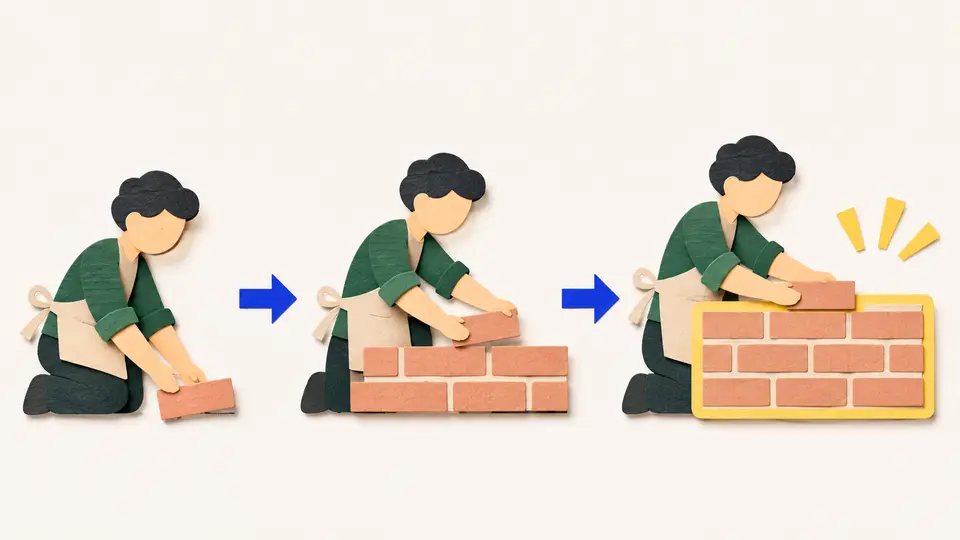
Imagine you get to write the basic rules of a society before you join it. There's one catch. You don't know who you'll be, rich or poor, gifted or not, in the majority or in a minority.
John Rawls built his 1971 book A Theory of Justice on this imagined choice. Rules chosen this way would be fair, he argued, because nobody could tilt them toward themselves.
Rawls called the situation the original position, and its blindfold the veil of ignorance. Behind it nobody knows their class, wealth, race or gender, how talented they are, or even their religion.
Why hide so much? In John Locke's older social contract, people bargain knowing everything about themselves. On Rawls's reading the powerful then use their favorable position, and the contract ends with political rights held by a small class of propertied white men.
The veil takes that advantage away. It's a device for reasoning, and nobody is proposing to erase real people's memories.
The choosers aren't ignorant of everything. They know general facts about people and societies, including what economics, psychology and biology have established. They know people need rights, opportunities and resources to pursue their plans. General facts can't bias anyone toward themselves, and workable rules need them.
What stops at the veil is every particular fact about themselves. A mathematician working out a proof sets aside her income and her religion in the same way, because they're irrelevant to the proof.
A familiar comparison is one person cutting a pie while another picks a slice first. The cutter can't count on any particular piece, so they cut evenly. Not knowing your share limits self-favoring.
But it's only an analogy. Rawls's choosers pick principles for a society's basic institutions, which shape liberties, opportunities and resources across whole lives. And equal slices aren't what Rawls concludes.
Try to recallIn Rawls's original position, would the general knowledge that people need resources to pursue their plans be hidden? Explain why or why not.
No. General knowledge about people and society stays available. What's hidden is personal information about which position or advantages belong to the chooser.
The veil gives you a test for any rule. Would you still accept it if you didn't know which side of it you'd be on? If your support depends on knowing it favors you, the veil counts that as bias.
Lessons in this topic
Choosing a society's rules without knowing who you'll be
John Rawls asked what rules people would agree to if nobody knew their own wealth, race, gender or talents. See what his veil of ignorance hides, what it leaves in view, and why.
Why Rawls wouldn't trade freedom for money
Rawls's principles come in a strict order. Basic liberties come first, fair opportunity second, and only then the rule that inequalities must benefit the worst off.
Testing Rawls's rule on three made-up societies
Work through three invented societies to see how the difference principle compares them, and why a tidy example can't settle whether a real policy is just.
Why would anyone choose by the worst case?
Rawls argues that people behind the veil would judge each option by its worst outcome. John Harsanyi objects that they should play the averages, and Rawls replies that this is no ordinary bet.
Three quick stories from this topic
As if your enemy chose
John Rawls said to choose a society's rules as if your enemy would pick your place in it
It's his image for the maximin rule, which judges each option by its worst outcome. When you're choosing a whole society once, with your basic liberties at stake and no way to renegotiate, Rawls argued that guarding against the worst result is the rational thing to do.
No rule for everyday bets
Rawls himself said maximin is not, in general, a suitable guide for choices under uncertainty. His case depends on this choice being unique and irrevocable.
The rival rule
John Harsanyi argued that you should treat every position as equally likely and maximize the average. That favors average utility over Rawls's principles.
What the veil hides
Rawls's veil of ignorance hides your race, gender, wealth, talents and even your religion
John Rawls asked what rules people would agree to for a society if none of them knew who they'd be in it. With no position to protect, nobody can tilt the rules their own way. General knowledge, such as economics and psychology, stays.
Some knowledge remains
General facts about people and society still inform the choice. Only the personal information that could bias it is hidden.
A device for reasoning
The veil of ignorance models an impartial standpoint. It doesn't claim that real people are blank slates.
Liberty isn't for sale
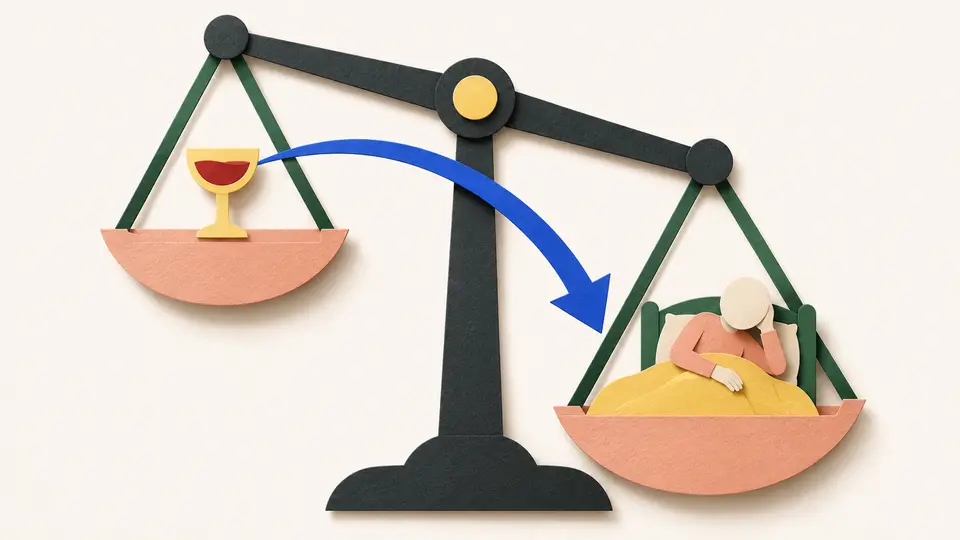
In Rawls's theory of justice, basic freedoms can't be traded for a higher income
Liberties such as freedom of conscience and expression come first, and they can be limited only to protect liberty itself. Rawls said a person willing to risk the right to hold their deepest convictions for added benefits doesn't know what it means to have convictions.
A strict order
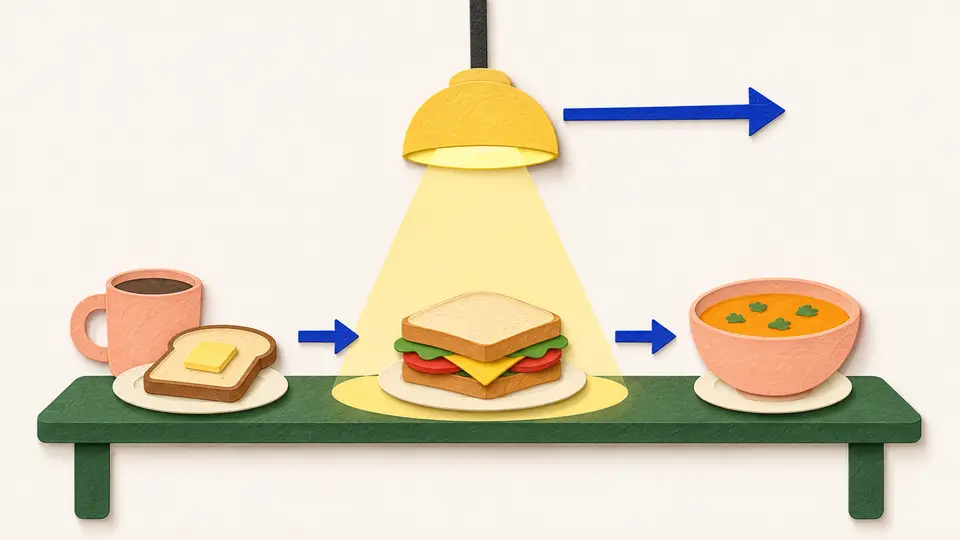
Equal basic liberties come first and fair equality of opportunity second. Only then comes the rule that economic inequalities must benefit the least advantaged.
Where the famous rule sits
The difference principle is the best-known part of Rawls's theory, but it applies only after the first two requirements are met.
Sources
- Original Position, Stanford Encyclopedia of Philosophy
- John Rawls, Stanford Encyclopedia of Philosophy