Guided path · Geography & the World
Where the obvious answer falls short
Each step takes something that looks simple and shows what's actually behind it. The route runs from air and water to lines on maps, then ends with people.
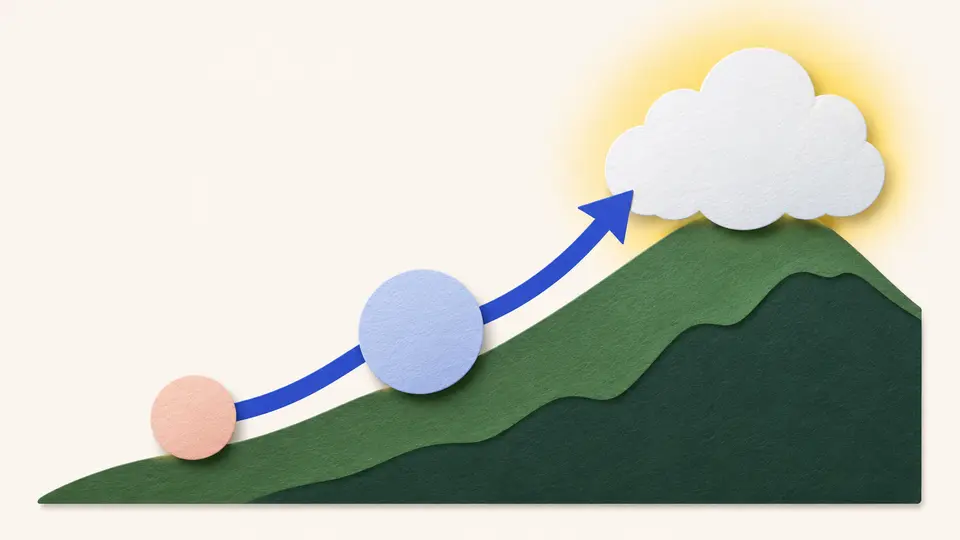
How mountains make rain and rain shadows
Start in the air, where a mountain range leaves one side wet and the other dry. Then follow the water across the land and under it.
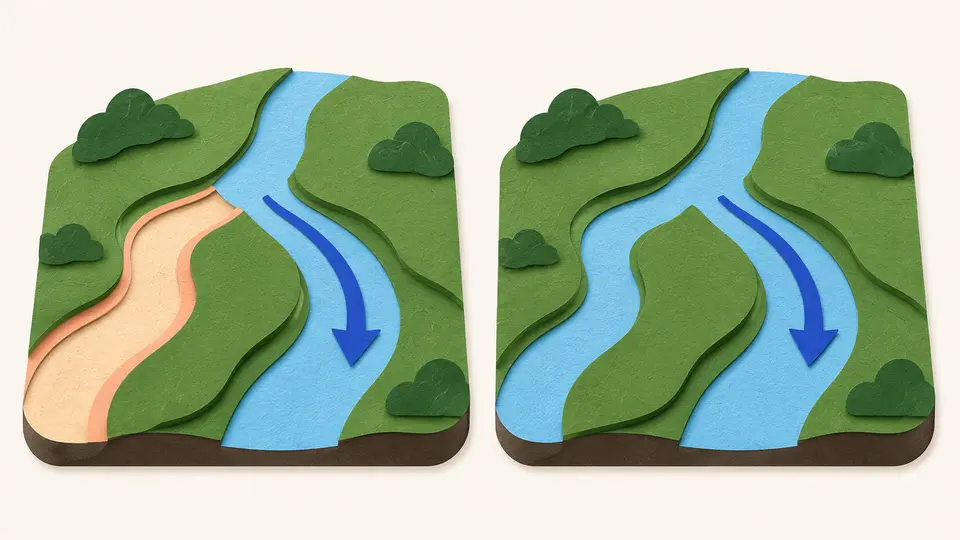
Why a river abandons its own channel
Move from rain to rivers, and to a delta where the river keeps leaving the channel it has just built.
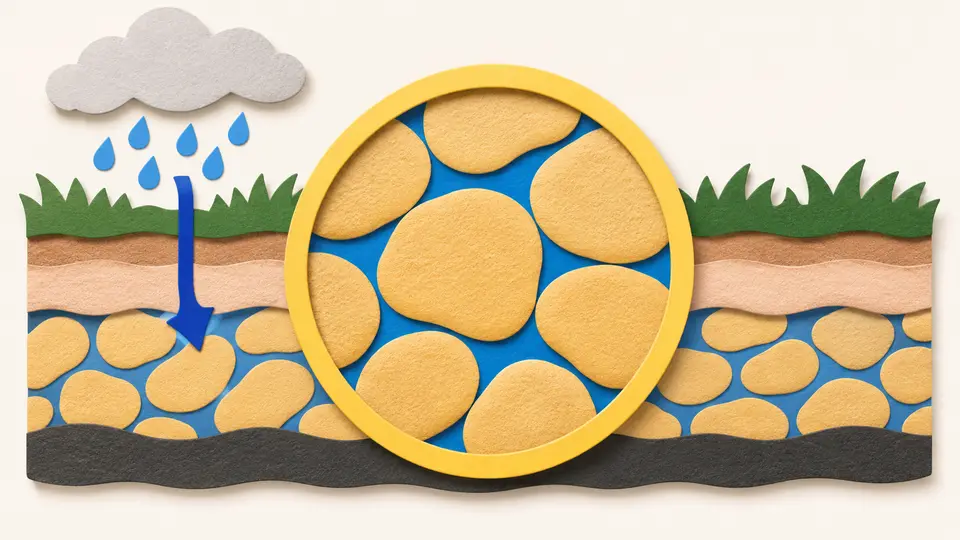
Aquifers and the water table
Drop below the river to the water underground, which moves slowly and is far harder for countries to negotiate over.
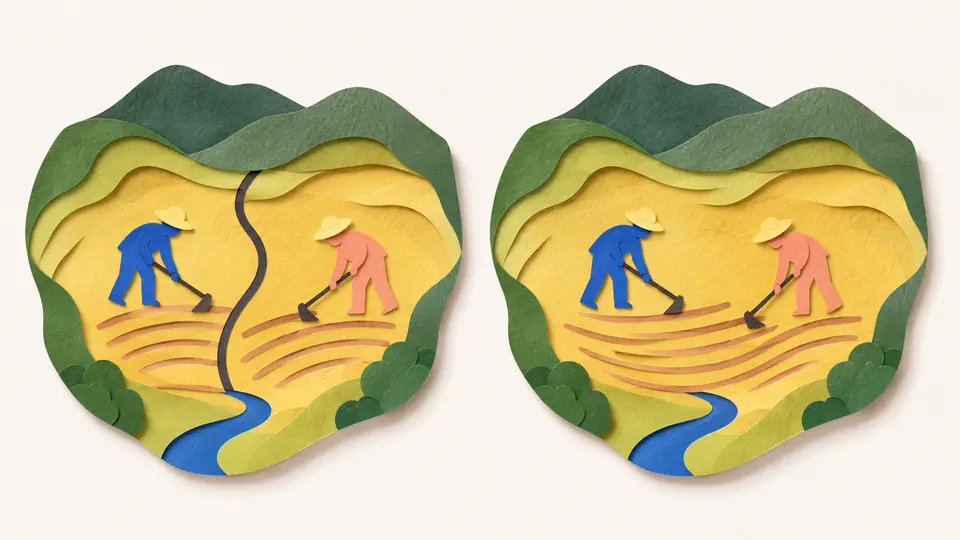
Shared territories and the land nobody claims
From shared water, turn to shared land. Few places have ever been held jointly, and two old boundary lines left one area that nobody claims.
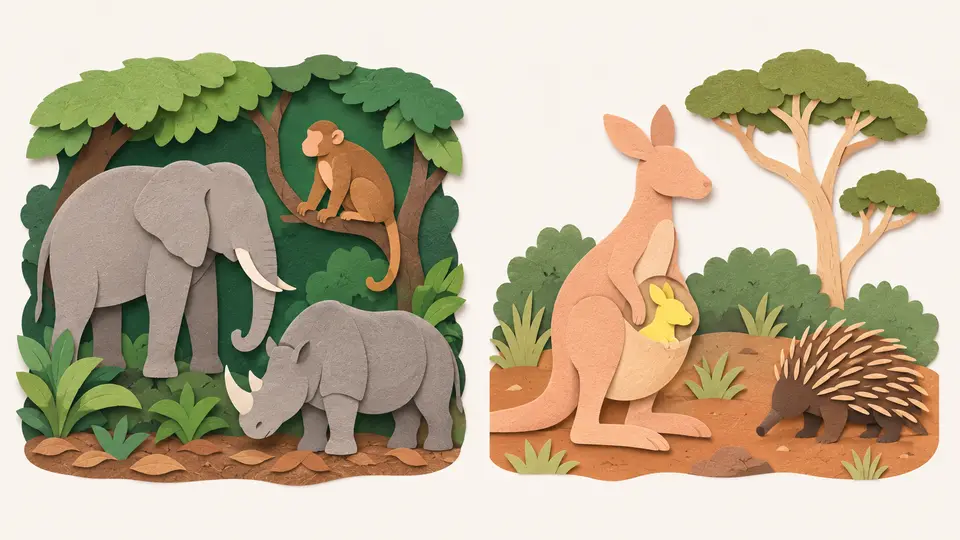
The Wallace Line and the animals it divides
The next line on the map separates animals rather than states. It runs between Bali and Lombok, and it keeps being redrawn.

Great circles and rhumb lines, two routes across an ocean
Leave the islands for the open ocean, and see why sailors chose the longer of two routes for centuries.
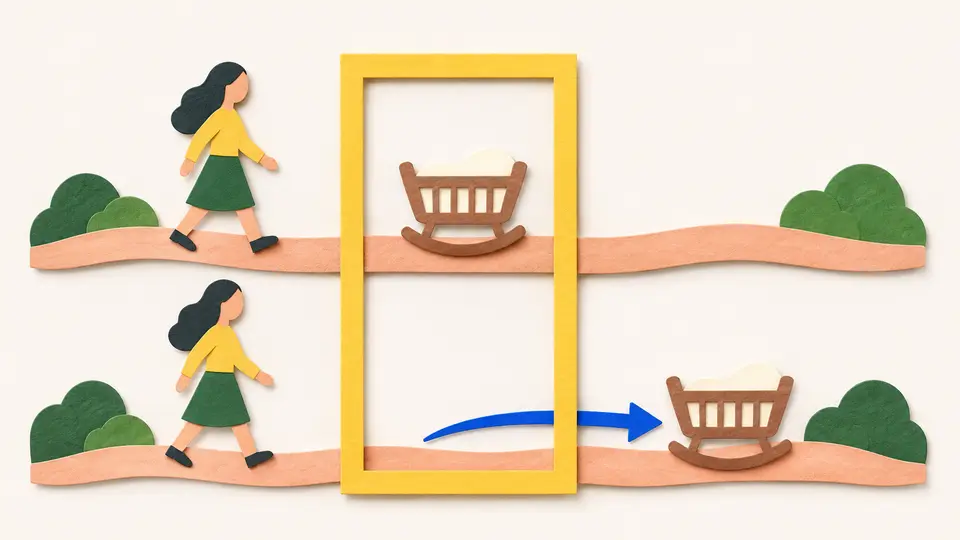
Fertility rates and the demographic transition
Now the route reaches people, starting with a much-quoted number that describes a hypothetical woman.
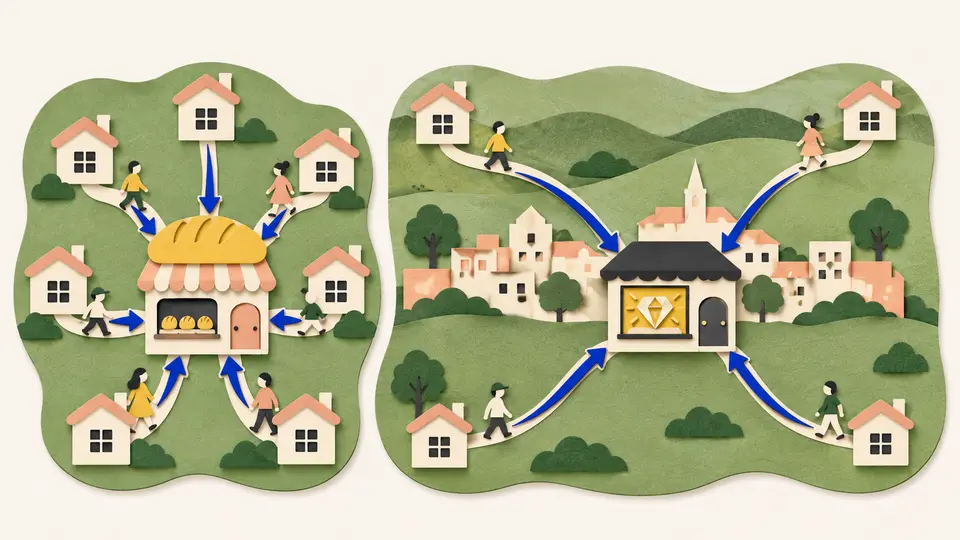
Why some countries have one giant city
Finish with where people settle. One theory covers both a tidy ladder of towns and a country with one enormous city.
More guided paths
- The fine print in health numbers and adviceIn each step you read one piece of health guidance closely, starting with numbers from your own body and moving out to the treatments and tests you might be offered. 8 topics.
- Your body and the evidence about itFollow the body's systems at work, then read claims about health without jumping to a diagnosis. 8 topics.
- The practical side of historySee how things actually worked in the past, from counting grain to holding a trench line. After a first step on archaeology, the route runs roughly forward in time. 8 topics.
- Read the past through evidenceStart with traces of everyday life, then follow the evidence from the first cities to the outbreak of the First World War. 8 topics.