Guided path · Everyday Systems
Follow the systems around you
Trace tap water, a microwave, sourdough, a parcel and your recycling, then see how unit prices and scoring rules shape everyday choices.
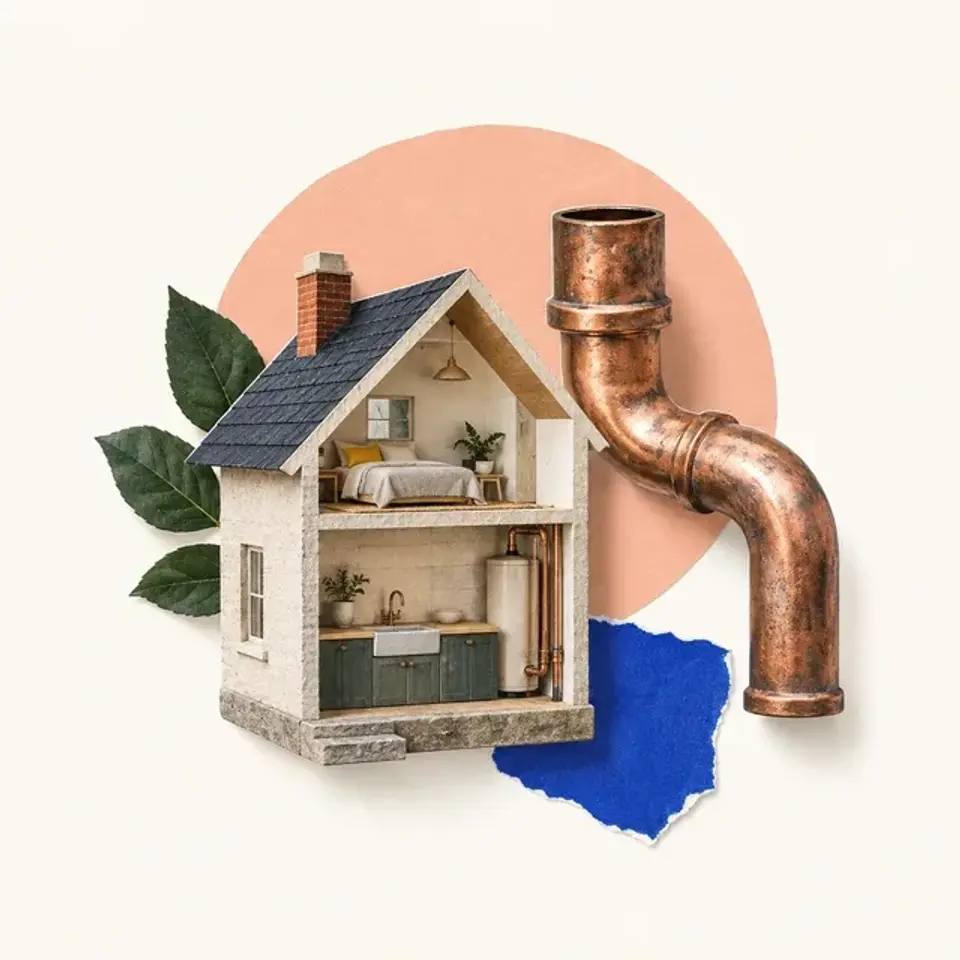
Where tap water comes from and where it goes
Begin with the system you use most, and follow water to your tap and away down the drain.
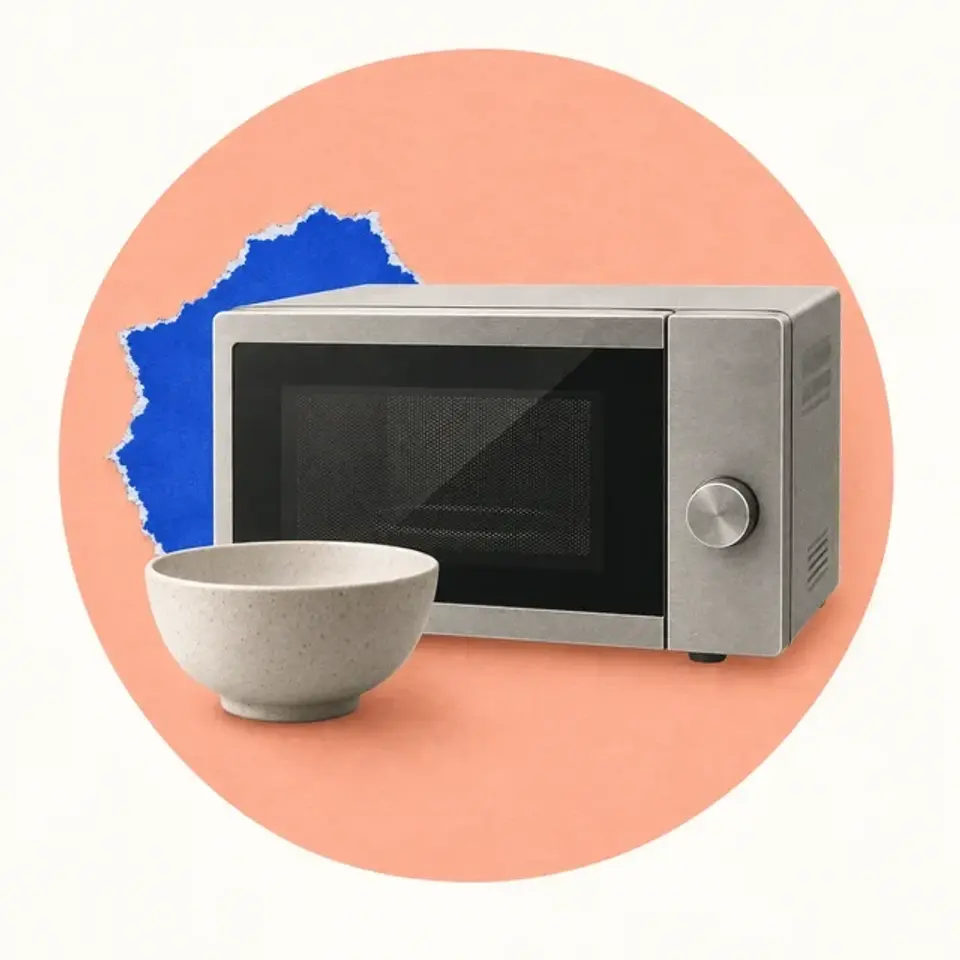
Inside a microwave oven
From the tap, turn to the kitchen counter. A microwave oven heats food with waves from a radar tube, and the middle can still stay cold.
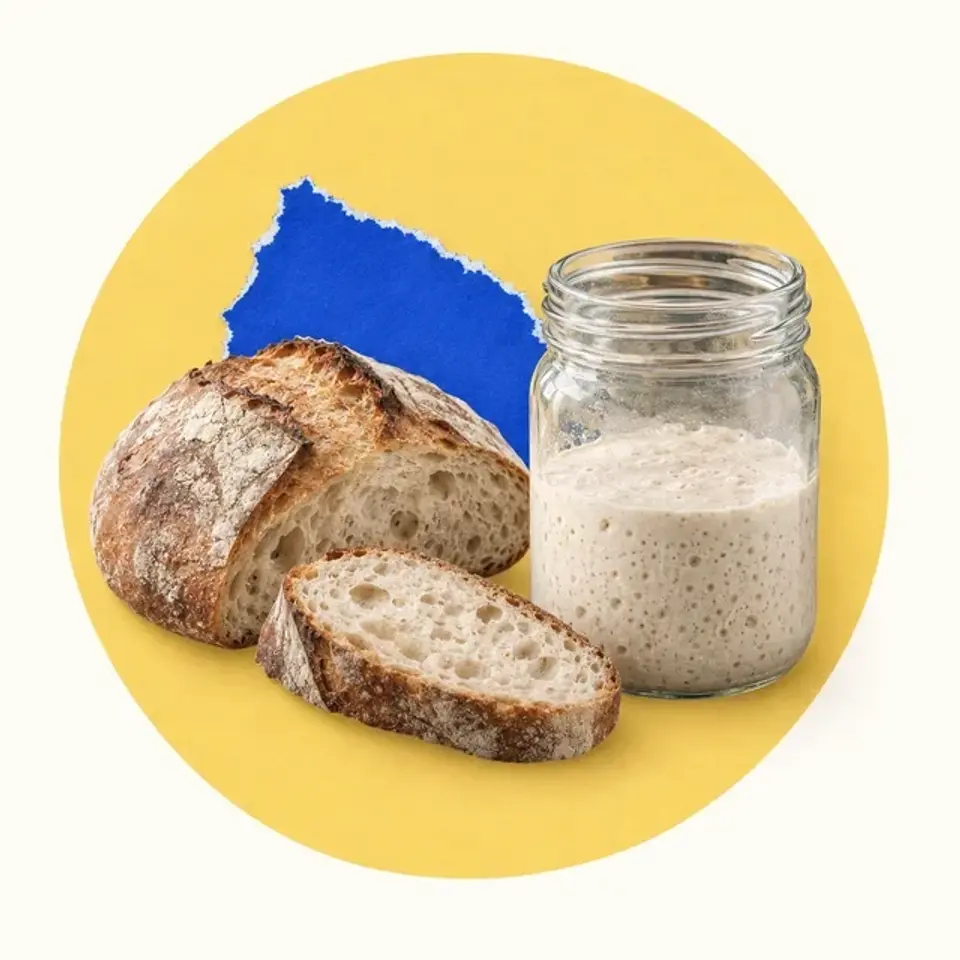
Sourdough starters and fermentation
Heat is one way to change food. A jar of flour and water changes with no heat at all, because microbes in it make the gas and the acid.
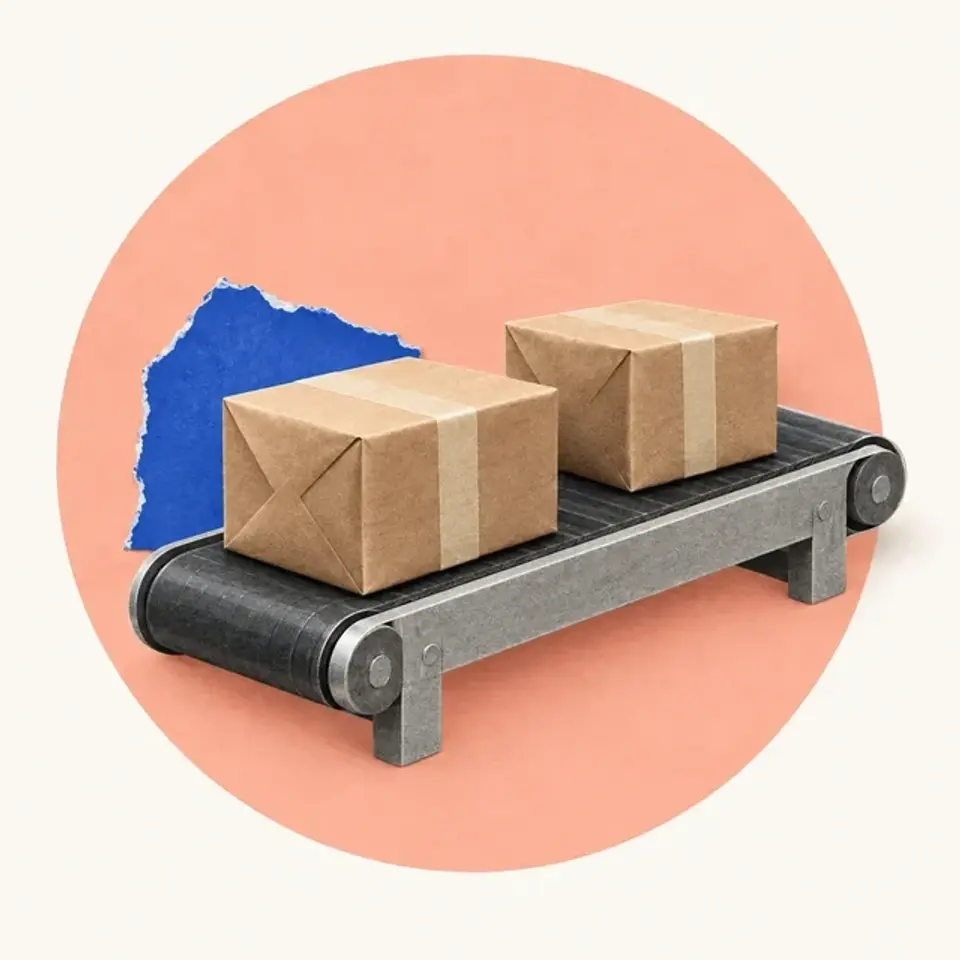
The journey of a parcel
Leave the kitchen for the front door. A parcel changes hands many times on the way there, and each tracking status proves less than it seems to.
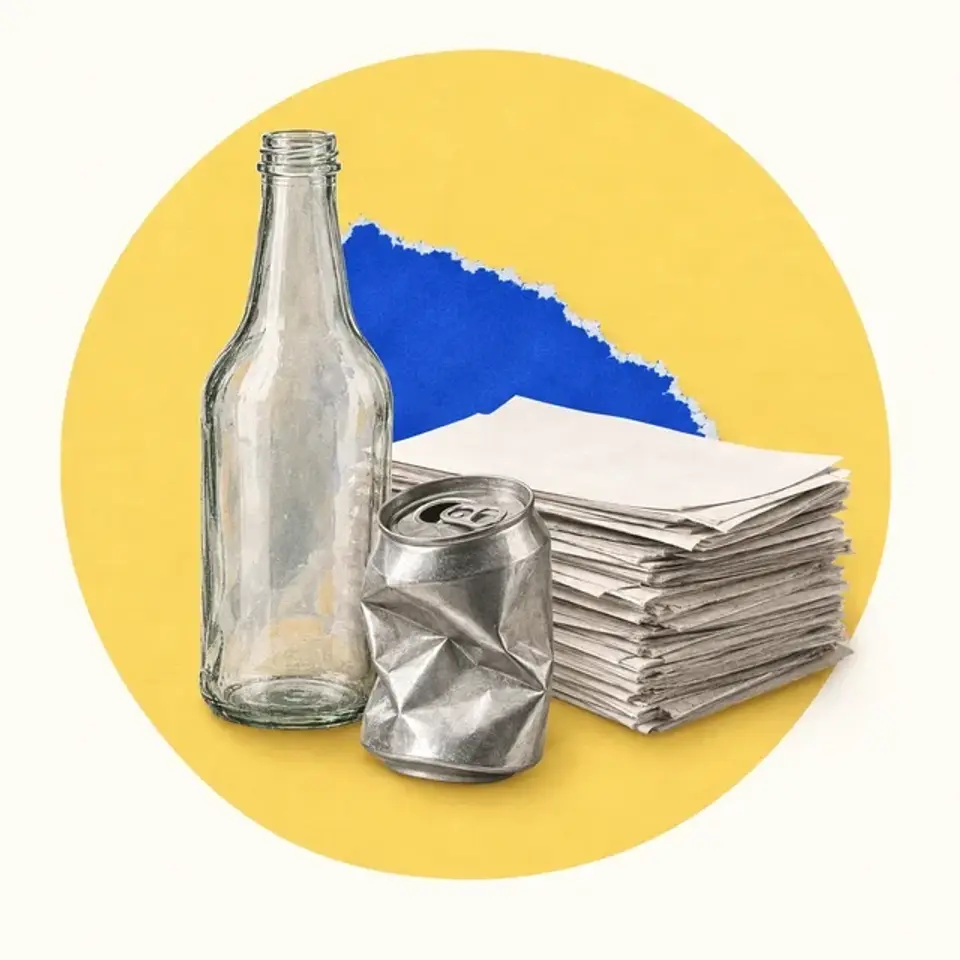
What happens after you put something in recycling
The box a parcel came in ends up in the recycling. Follow it through sorting, and see why a buyer decides whether it becomes anything new.
What a unit price reveals
Recycling depends on someone buying the material. Now you're the buyer, comparing packs by a common unit to see which is really cheaper.

Scoring systems and the strategies they reward
A unit price is a rule for comparing. Finish with scoring rules in sport, where changing the rule changes which choice is best.
More guided paths
- How everyday things really workSwap hunches for the mechanisms behind them, from why a tiled floor feels colder than carpet to why a traffic jam forms with no crash, starting in the kitchen and moving outward. 7 topics.
- Places, connections and boundariesStart with what every flat map distorts, then follow landscapes, cities, people and borders to a river several countries share. 8 topics.
- Where the obvious answer falls shortEach step takes something that looks simple and shows what's actually behind it. The route runs from air and water to lines on maps, then ends with people. 8 topics.
- The fine print in health numbers and adviceIn each step you read one piece of health guidance closely, starting with numbers from your own body and moving out to the treatments and tests you might be offered. 8 topics.