Guided path · Engineering & Inventions
The limits engineers have to design around
Meet the limits engineers can't wish away, one per topic, along with what they do about each. The route starts with a single column and ends with whole systems.
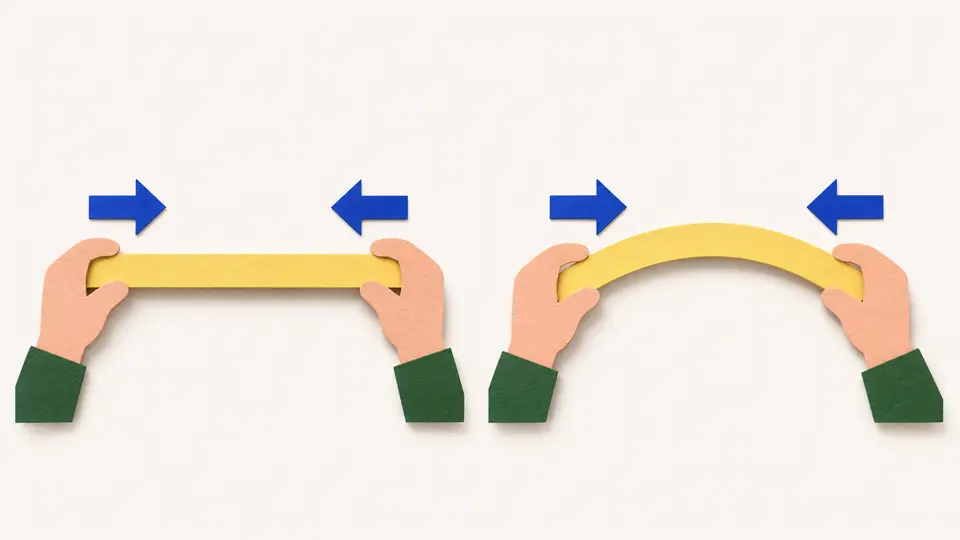
Why a strong column still folds
Start with a limit you can picture, a column that folds while its material is still nowhere near failing.
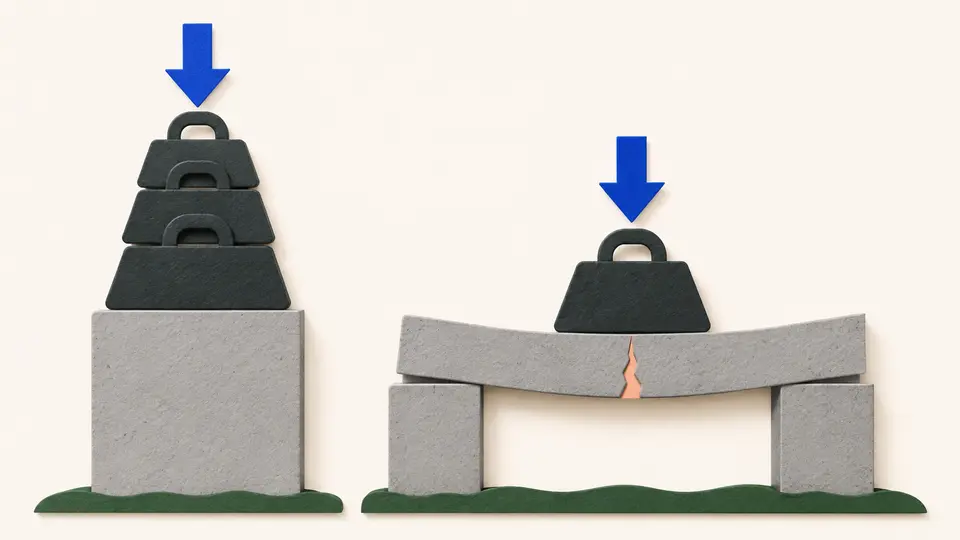
Reinforced concrete and the steel hidden inside it
The column's limit came from its slenderness. Concrete's weakness is in the material itself, and steel set inside it makes up the difference.
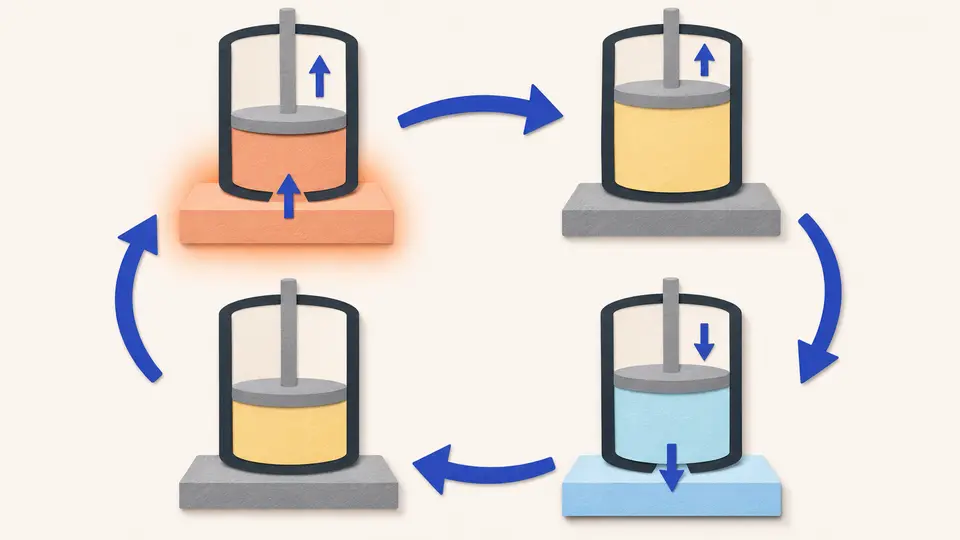
The efficiency limit no engine can beat
Now leave structures for machines. A clever pairing rescued concrete, but no design gets an engine past a ceiling set by two temperatures.

Why a rocket throws most of itself away
Unlike the engine's ceiling, this limit has a way around it. One stage can't reach orbit, so the rocket drops parts of itself as it climbs.
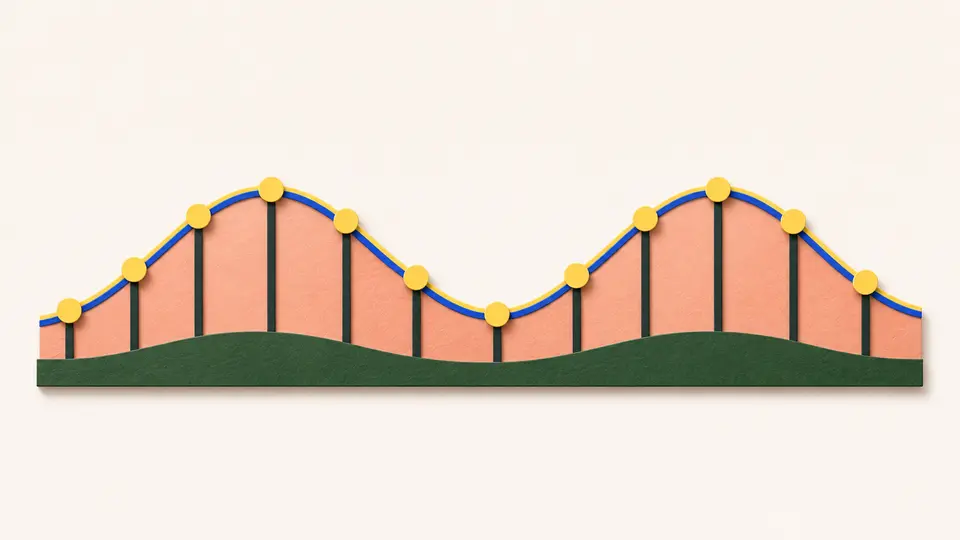
Why sampling too slowly creates signals that aren't there
Turn from physical limits to one in measurement. It's the sneakiest on the route, because the bad data looks just like good data.
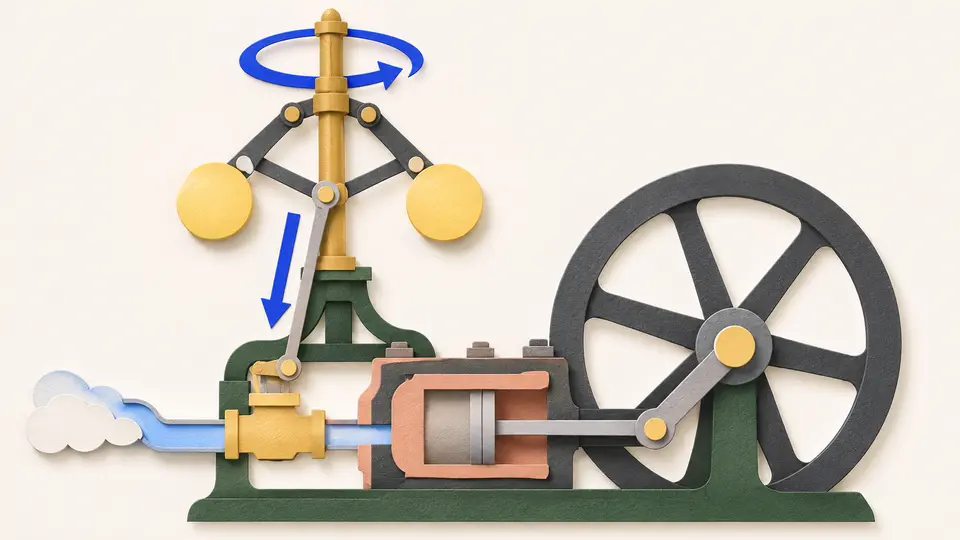
Why automatic controllers overshoot and oscillate
Hand those measurements to a controller, and a new limit shows up in the loop, where correcting harder can make things worse.

Why a system with backups still fails
Finish with a whole system. Just as more gain can unsettle a controller, more redundancy can make a system less reliable.
More guided paths
- Measure, design and learn from failureGo from sensors and feedback control to the practical limits of materials, bridges and machines, then learn from a bridge that failed. 7 topics.
- Follow the systems around youTrace tap water, a microwave, sourdough, a parcel and your recycling, then see how unit prices and scoring rules shape everyday choices. 7 topics.
- How everyday things really workSwap hunches for the mechanisms behind them, from why a tiled floor feels colder than carpet to why a traffic jam forms with no crash, starting in the kitchen and moving outward. 7 topics.
- Places, connections and boundariesStart with what every flat map distorts, then follow landscapes, cities, people and borders to a river several countries share. 8 topics.